 St. Petersburg Siding
 Serving Kenneth City in the Heart of Pinellas County
Kenneth City sits tucked inside the St. Petersburg area of Pinellas County, one of the most densely built and most weather-exposed counties in Florida. Homes here are surrounded on nearly every side by water, which means the exterior of a house is doing constant, quiet work all year long — holding up against sun, wind, humidity, and salt that never really take a day off. When we talk with homeowners in Kenneth City about their siding, roofing, windows, or decking, we're talking about protecting a structure that lives in one of the more demanding coastal climates in the country.
St. Petersburg Siding Co. works this whole part of the Tampa Bay region, and Kenneth City is squarely in our service area. We're not a national call center dispatching whoever's available — we're a local crew that understands what Pinellas County homes go through, and we build our installations around that reality rather than a generic national spec sheet.
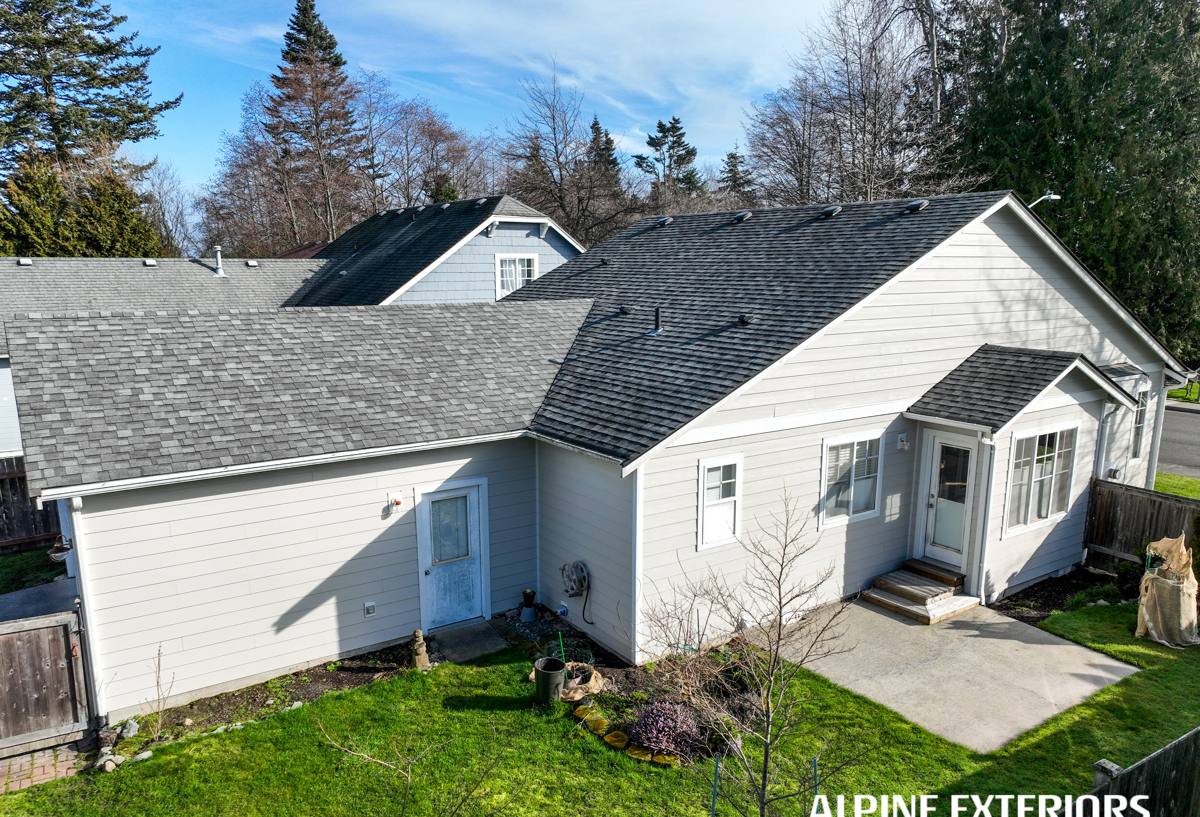
What Kenneth City Homes Are Up Against
Hurricane-Force Wind
Pinellas County sits in an active hurricane corridor, and even in years without a direct hit, homes absorb tropical storm winds, squall lines, and the kind of sustained gusts that find every loose panel, weak fastener, or gap in flashing. Siding that isn't rated and installed for wind uplift doesn't fail dramatically the first year — it fails slowly, a corner here, a seam there, until water starts getting behind it.
Intense, Year-Round UV
Florida's sun angle and humidity combine to bake exterior surfaces nearly twelve months a year. Cheaper siding products and factory paint jobs chalk, fade, and become brittle under that kind of exposure. A material and finish that isn't engineered for this level of UV load will look tired well before it's structurally due for replacement.
Wind-Driven Rain
It's rarely rain falling straight down here — storms come in sideways, driven by wind, and that changes how water interacts with a wall assembly. Siding needs correct lap, flashing, and moisture management details, not just a good-looking face, or water finds its way behind the cladding and into the sheathing.
Salt Air
Kenneth City isn't right on the beach, but it's close enough to Tampa Bay and the Gulf that salt-laden air is a factor for every home in the area. Salt accelerates corrosion of fasteners and hardware and degrades certain finishes faster than inland climates ever would. Materials and installation hardware both need to account for it.
Why We Install Only James Hardie Fiber Cement
We get asked fairly often why we don't offer vinyl siding, LP SmartSide, Cemplank, Allura, or primed wood siding like cedar or spruce. The honest answer is that after years of doing exterior work in this climate, we made a standard: James Hardie fiber cement, installed correctly, and nothing else. Here's the reasoning, product by product.
Vinyl
Vinyl is affordable and low-maintenance in mild climates, but in Pinellas County's wind and heat it has real limits. It can distort or warp under sustained high heat, and in hurricane-force gusts, panels can pull loose or crack at the fastening points. It's also a petroleum-based product, which means it's combustible, and its color is baked through a thin material that fades and becomes brittle with UV exposure over time.
LP SmartSide, Cemplank, and Allura
LP SmartSide is engineered wood — a strand-based product with a resin coating. It performs reasonably in dry, moderate climates, but wood-based siding is more sensitive to sustained moisture exposure than fiber cement, and our coastal humidity and wind-driven rain are exactly the conditions that stress that sensitivity over the years. Cemplank and Allura are both fiber cement competitors to Hardie, and while fiber cement as a category is the right call for this region, we've standardized on Hardie specifically for its manufacturing consistency, its ColorPlus finish process, and the strength of its transferable warranty — details we cover below.
Primed Wood — Cedar and Spruce
Natural wood siding is beautiful, and we understand the appeal. But primed wood requires disciplined repainting and caulking maintenance to survive Florida humidity, and it's genuinely vulnerable to moisture intrusion, rot, and insect activity if that maintenance schedule slips even one cycle. In a climate this demanding, we don't think it's fair to install a product that punishes a homeowner for a missed maintenance year.
James Hardie fiber cement is non-combustible, dimensionally stable in humidity swings, and factory-finished with ColorPlus technology so the color is baked on rather than field-painted — which matters enormously under Florida UV. That combination is why it's the only siding system we put on homes.
James Hardie Product Lines Built for This Region
James Hardie engineers its products by climate zone, and homes in Pinellas County fall into the HZ5 zone, formulated specifically for moisture and humidity exposure like ours. Within that, homeowners in Kenneth City typically choose between a few Hardie product families depending on the look they want:
- HardiePlank lap siding — the classic horizontal lap look, available in multiple textures and exposures
- HardiePanel vertical siding — often used for accents, gables, or a more modern vertical profile
- HardieShingle siding — a shingle-style texture for homes wanting a coastal or craftsman look
- HardieTrim — matching trim boards that hold up to the same climate stress as the field siding
All of these come in ColorPlus factory-finished color options, which carry their own finish warranty separate from the substrate warranty — meaning the color and the material are both backed, not just one or the other.
More Than Siding: A Full Exterior Approach
Siding doesn't work in isolation. It's one part of an exterior envelope that also includes the roof, the windows, and often decking, and in a climate like this they all need to work together. St. Petersburg Siding Co. handles all four:
Roofing
A roof that's compromised — missing shingles, failed flashing, aging underlayment — will eventually let water travel down behind even perfectly installed siding. We look at roof condition as part of any siding conversation, not as a separate business.
Windows
Window flashing and integration with the siding plane is one of the most common places water intrusion starts. When we replace siding around existing windows, we pay close attention to how that transition is flashed and sealed.
Decks
Outdoor living is a big part of Florida life, and decks take their own beating from sun and moisture. We build and repair decks with the same climate-first mindset we bring to siding.
What Working With a Local Crew Looks Like
A national franchise or an out-of-town installer might know fiber cement siding in general, but they haven't necessarily installed hundreds of feet of it against Pinellas County's specific wind loads, humidity, and salt exposure. A local crew brings a few practical advantages:
| What Matters | Local Crew | Out-of-Area Crew |
|---|---|---|
| Familiarity with Pinellas wind/flashing details | Built into daily practice | Learned on the job, at your expense |
| Response time for follow-up or warranty questions | Same-region, fast | Scheduling delays, travel time |
| Knowledge of local permitting requirements | Routine | May require research per job |
| Accountability and reputation in the community | High — repeat and referral business | Lower — one-off jobs |
What Drives the Cost of a Siding Project
Every home is different, but a few factors consistently shape the scope and price of a siding job in this area. We don't quote broad numbers without seeing the house, but homeowners should understand what typically moves the estimate:
| Factor | Why It Matters |
|---|---|
| Home size and wall complexity | More corners, gables, and dormers mean more cutting, flashing, and labor |
| Existing siding removal | Tear-off of old material adds labor and disposal cost |
| Underlying sheathing condition | Rot or moisture damage found during removal may need repair before new siding goes on |
| Product line and profile chosen | Lap, panel, and shingle profiles vary in material and labor cost |
| Trim and accent work | Detailed trim packages add both material and installation time |
Vetting a Siding Contractor: What to Check
Whether you go with us or anyone else, a Florida siding job is a significant investment and deserves real due diligence before you sign anything. A few things worth confirming with any contractor:
- Current Florida contractor license and proof of liability insurance
- Manufacturer certification for the specific siding product being installed
- A written scope of work, not just a verbal estimate
- Clarity on who handles permitting and inspections
- Whether the crew doing the labor is the contractor's own team or subcontracted
- How warranty claims are handled if something goes wrong down the road
Longevity and Maintenance in a Coastal Climate
Correctly installed James Hardie siding is genuinely low-maintenance compared to the alternatives, but "low-maintenance" doesn't mean zero attention. In Kenneth City's climate, we recommend homeowners do a simple visual walk-around a couple of times a year — checking caulk lines at trim and window transitions, looking for any staining that suggests water isn't shedding properly, and rinsing off accumulated salt and grime with a garden hose or gentle wash. That's a fraction of the upkeep wood or vinyl siding demands, and it goes a long way toward getting the full service life out of the material and the ColorPlus finish.
If you're in Kenneth City and thinking about siding, roofing, windows, or a deck, we're happy to take a look and give you a straightforward, no-pressure estimate — just fill out the form below.