 St. Petersburg Siding
 Deck Repair Built for Kenneth City's Climate
Kenneth City sits in the middle of Pinellas County, close enough to Tampa Bay and the Gulf that every deck in the community deals with the same slow grind: intense sun nearly every day of the year, sudden wind-driven downpours, hurricane-season gusts, and a steady dose of salt-laden air moving in off the water. None of those factors are dramatic on their own, but stacked together year after year, they're exactly what wears down fasteners, ledger boards, and decking material faster than most homeowners expect. A deck that looks fine from the yard can be hiding soft framing, corroded hardware, or a ledger connection that's no longer doing its job.
We repair decks throughout the St. Petersburg area, and Kenneth City's mix of older ranch homes and mid-century construction means we see a consistent set of issues: original framing that was never rated for today's building code, decking that's outlived its finish, and railings that have loosened from years of thermal movement and moisture cycling. Deck repair here isn't just about swapping a few boards — it's about understanding how Florida's climate attacks each part of the structure differently.
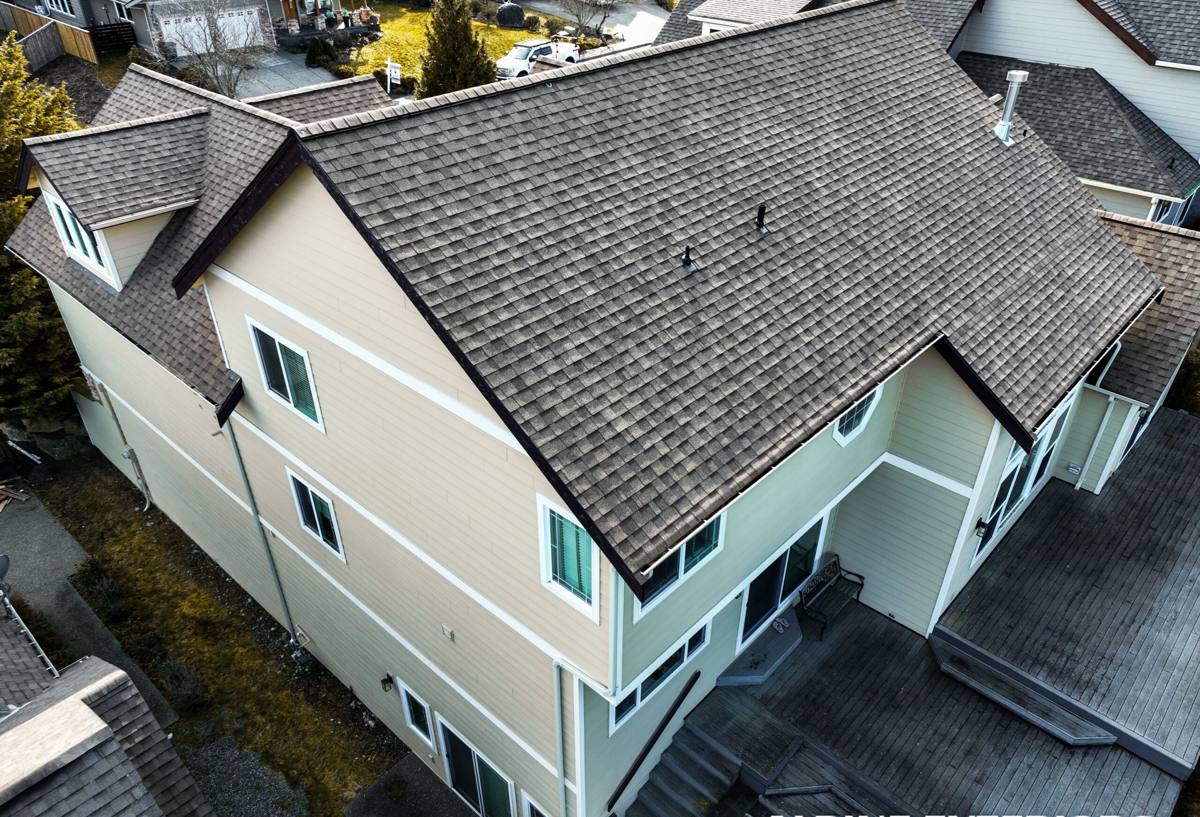
What Pinellas County Weather Does to a Deck
UV and Heat
Florida sun is relentless. UV exposure breaks down the lignin in wood fibers, which is why untreated or poorly sealed decking grays, splinters, and cups over time. Composite decking isn't immune either — cheaper composite boards can fade unevenly or become brittle at the surface after years of full-sun exposure, especially on south- and west-facing decks with no shade cover.
Wind-Driven Rain and Humidity
Afternoon storms don't just wet the surface — wind-driven rain gets pushed sideways and up under railings, into fastener holes, and along ledger board seams where the deck meets the house. Combined with Florida's humidity, that moisture rarely gets a chance to fully dry out between storms, which is the single biggest driver of rot in deck framing.
Salt Air Corrosion
Even a few miles inland, Pinellas County homes get measurable salt exposure carried in on Gulf and bay breezes. Salt accelerates corrosion in any exposed metal — joist hangers, lag bolts, screws, and railing brackets — well beyond what you'd see in a drier, inland climate. Galvanized hardware that would last decades elsewhere can start showing rust streaks and pitting here in a fraction of the time if it's not rated for coastal exposure.
Storm and Wind Load
Kenneth City isn't exempt from tropical storm and hurricane-force wind events. A deck's connection to the house — the ledger board — and its railing posts take direct lateral load during high wind. If those connections were under-built to begin with, or have weakened from years of moisture intrusion, storm season is when the problem shows up as a genuine safety issue, not just a cosmetic one.
Signs Your Kenneth City Deck Needs Repair
- Boards that flex, bounce, or feel soft when you walk across them
- Visible gaps, cracks, or splintering along deck board edges
- Rust streaks around screws, bolts, or joist hangers
- A railing or post that wiggles or shifts when you lean on it
- Gaps or separation where the deck meets the house (the ledger board area)
- Discoloration, dark staining, or a musty smell near ground-level framing
- Stairs that feel uneven, springy, or have visibly sagging stringers
- Fasteners that have backed out or heads that have sheared off
Any one of these on its own might be minor. Several at once, especially near the ledger board or support posts, usually means the repair needs to start below the surface, not just at the decking.
What a Correct Deck Repair Actually Involves
A lot of deck "repairs" in this region amount to replacing a few obviously bad boards and calling it done. That approach misses the framing underneath, which is almost always where the real damage is happening. Our process starts with an inspection of the structure, not just the visible surface:
1. Structural Inspection
We check the ledger board connection to the house, the condition of joists and beams, post bases where they meet concrete or the ground, and all load-bearing hardware. This is where we find the moisture damage and corrosion that aren't visible from a walk-through.
2. Fastener and Hardware Review
Given the salt air here, we look closely at every joist hanger, bolt, and screw for rust, pitting, or loosening. Undersized or non-coastal-rated hardware gets flagged even if it hasn't failed yet — it's cheaper to upgrade it during a repair than to redo the work later.
3. Decking and Railing Assessment
Individual boards are checked for soft spots, splitting, and UV degradation. Railings and posts are tested for movement, since a wobbly rail is often a symptom of a loosening connection lower in the structure, not just a loose bracket at the top.
4. Repair Plan Matched to the Damage
Depending on what we find, repair can mean anything from replacing individual boards and hardware to rebuilding a ledger connection or reinforcing framing. We explain what's actually needed and why, so you're not paying for more — or less — than the deck requires.
Repair vs. Replacement: How to Think About It
| Factor | Repair Usually Makes Sense | Replacement Worth Considering |
|---|---|---|
| Framing condition | Solid, isolated soft spots | Widespread rot in joists or beams |
| Ledger board | Sound, properly flashed | Corroded, separated, or poorly attached |
| Decking material | Localized board damage | Uniform graying, cupping, or brittleness |
| Hardware | Mostly intact, a few rusted spots | Widespread corrosion across fasteners |
| Age of structure | Under 15-20 years, built to code | Older, undersized, or non-code framing |
| Budget goal | Extend usable life affordably | Reset the clock, update material and layout |
Most decks we look at in Kenneth City fall into the repair category — the framing is salvageable, and targeted work on hardware, boards, and connections gets years of safe use back out of the structure. We'll tell you plainly if we think a section is past the point where repair is the better value.
Materials: What Holds Up in This Climate
What you repair or replace a deck with matters as much as the workmanship. In coastal Pinellas County conditions:
- Pressure-treated lumber remains a solid, affordable choice for framing when paired with corrosion-resistant hardware and kept properly sealed.
- Composite decking resists UV fading and moisture better than untreated wood for the walking surface, though quality varies a lot between product lines — we'll walk you through the trade-offs rather than push one brand.
- Stainless steel or hot-dip galvanized hardware is worth the upgrade cost near the coast. Standard electroplated fasteners corrode noticeably faster here than in drier inland climates.
- Proper flashing at the ledger board is non-negotiable — it's the single most common point of moisture entry we find on older decks, and it's often missing or degraded on homes built before current code requirements.
We match materials to the specific deck and budget rather than defaulting to one option, and we'll explain the maintenance trade-offs of each so you know what you're signing up for long-term.
Why a Locally Familiar Crew Matters
A deck repair crew that regularly works in Kenneth City and the surrounding St. Petersburg area already knows how Pinellas County's permitting works, what inspectors look for on ledger and railing connections, and which hardware actually performs over time this close to the water. That's not something you get from a crew that mostly works inland or out of state. We've seen how quickly a poorly connected ledger board or a run of undersized fasteners turns into a real problem once wind and rain get involved, and we build repairs to handle that reality instead of just passing a quick visual check.
We also know this area's mix of housing stock — a good number of Kenneth City homes have decks that were added or modified after the original build, sometimes without the framing being upsized to match current wind and load standards. Part of our job is catching that during inspection, not after a repair fails.
Our Repair Process
- On-site inspection — we assess framing, hardware, decking, and railings, and check the ledger connection specifically.
- Honest scope and estimate — you get a clear breakdown of what's damaged, what's precautionary, and what it costs, in writing.
- Repair work — framing reinforcement, hardware upgrades, board replacement, and railing repair, done to current code where applicable.
- Final walkthrough — we check every repaired section is solid, secure, and ready for daily use before we call it done.
Maintaining Your Deck After Repair
A repaired deck lasts longer with a little seasonal attention, especially in this climate:
- Rinse off salt residue and debris periodically, especially after storms
- Reseal or refinish wood decking on the manufacturer's recommended schedule — UV exposure here shortens that interval compared to other regions
- Check railings and stair connections for movement once or twice a year
- Keep gutters and downspouts clear so runoff isn't draining directly onto or under the deck
- Have the ledger board area inspected periodically, since it's hidden from view but critical to the deck's safety
If your deck in Kenneth City is showing any of the signs above, or it's just been a while since anyone looked at the framing underneath, we're happy to come out and take a look. Estimates are free, there's no pressure, and you'll get a straight answer about what actually needs fixing — use the form below to get started.