 St. Petersburg Siding
 Window Replacement Built for Euclid-St. Paul's Older Housing Stock
Euclid-St. Paul is one of St. Petersburg's established residential pockets, with a mix of mid-century bungalows, ranch homes, and a growing number of updated properties sitting close enough to Tampa Bay to feel every one of Pinellas County's weather extremes. Original single-pane windows, or aluminum-frame units installed decades ago during an earlier remodel, are past the point where caulk and weatherstripping fix the problem. When we replace windows in this neighborhood, we're not just swapping glass — we're addressing frames that have spent years absorbing UV, salt-laden humidity, and wind pressure they were never rated for.
A window replacement done right in this area has to solve for three things at once: keep wind-driven rain out during a tropical system, hold up structurally against storm-force gusts, and survive daily exposure to intense Florida sun without the frame chalking, warping, or the seals failing early. Get any one of those wrong and you're looking at a callback — or worse, water intrusion you don't notice until it's already inside the wall cavity.
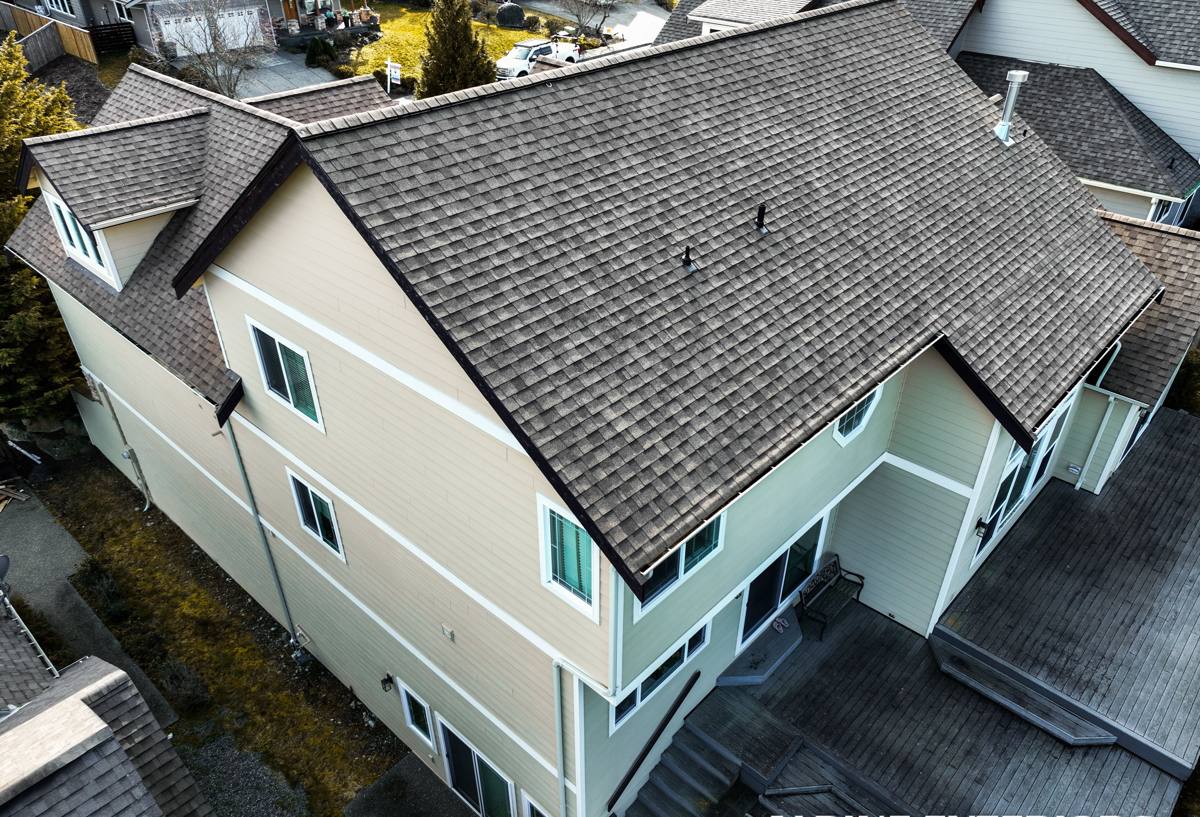
What St. Petersburg's Climate Actually Does to Windows
Pinellas County sits on a peninsula, which means Euclid-St. Paul homes deal with weather that inland Florida properties don't see nearly as often.
Hurricane and Tropical Storm Wind Loads
Even homes several miles from open water take direct wind pressure during tropical storms and hurricanes. Older windows — especially single-pane aluminum units — were rarely engineered for today's wind-load standards. Under sustained pressure, a weak frame can flex, and flexing is what eventually breaks a seal or lets a window blow out entirely.
Wind-Driven Rain
It's rarely straight-down rain that causes problems here. It's rain pushed sideways into a wall by storm winds, working its way behind trim and flashing that was installed without enough attention to detail the first time. This is where most leaks we find in this neighborhood actually originate — not from the glass itself, but from the perimeter seal around the frame.
UV and Heat
Year-round sun exposure breaks down vinyl, degrades weatherstripping, and can cloud or delaminate poor-quality insulated glass units over time. A window that looked fine when installed can develop a hazy interior seal failure within a handful of Florida summers if the glass package wasn't built for this level of UV load.
Salt Air
St. Petersburg's proximity to Tampa Bay and the Gulf means airborne salt is a constant, low-grade corrosive. It accelerates pitting on lower-grade aluminum hardware, corrodes fasteners that weren't rated for coastal exposure, and speeds up finish failure on cheaper frame coatings.
What a Correct Window Replacement Involves
Replacing a window is more than removing the old sash and dropping in a new one. The installation details matter more than the window brand.
Flashing and Water Management
Every opening gets proper flashing tape and sealant integrated with the home's existing water-resistive barrier — not just a bead of caulk around the trim. This is the single most common shortcut we see in past installs around this neighborhood, and it's almost always the reason a "new" window still leaks.
Fastening and Anchoring
Fastener type, spacing, and embedment depth are dictated by the window's tested design pressure and the substrate it's going into — wood-frame, block, or a combination found in additions. Using the wrong fastener schedule undermines the wind rating no matter how good the window itself is.
Sealant Systems
Interior and exterior sealant beads both matter, and they need to be compatible with the window frame material and the home's existing siding or stucco. Mismatched sealants fail faster, especially under UV and salt exposure.
Impact Glass vs. Add-On Protection
Impact-rated glass has the protection built into the glazing itself — laminated glass with an interlayer that stays intact even if the outer pane cracks. That's different from adding shutters or film to a standard window, which protects the opening but doesn't change the window's own rating. For full replacements, we generally recommend building the protection into the window rather than layering it on afterward, since it simplifies maintenance and avoids relying on a second system being deployed correctly before every storm.
Comparing Window Options for Coastal Pinellas Homes
| Factor | Vinyl Frame | Aluminum Frame | Fiberglass/Composite |
|---|---|---|---|
| Salt air resistance | Good — won't corrode | Fair — needs marine-grade hardware and coatings | Very good |
| UV/heat stability | Good with quality vinyl; lower-grade vinyl can warp | Excellent structural stability | Excellent |
| Relative cost | Lower to mid | Mid to higher | Higher |
| Maintenance | Low | Moderate — watch for corrosion at hardware/fasteners | Low |
| Typical use case | Most residential replacements | Larger openings, impact-rated commercial-style units | Higher-end or historic-style renovations |
There's no universally "best" frame material — it depends on the opening size, the home's existing architecture, and budget. What matters more than the material itself is whether the specific product line has documented, current wind-load and impact test data for the design pressure your home actually needs.
Our Process, Start to Finish
- On-site assessment: We measure every opening, check for existing water damage or rot around the frames, and note substrate type before recommending anything.
- Product selection: We walk through frame material, glass package, and impact rating options based on your budget and the home's exposure.
- Permitting: We handle the permit application with the City of St. Petersburg, including the product approval documentation required for the window's design pressure rating.
- Removal and prep: Old windows come out carefully to protect surrounding trim and siding; the opening is inspected and any damaged framing is addressed before the new unit goes in.
- Installation: Flashing, fastening, and sealant are installed to manufacturer specification and current Florida Building Code requirements.
- Final inspection: We walk the job with you, confirm smooth operation on every unit, and schedule the required city inspection.
Permits and Wind Load in St. Petersburg
Window replacements in St. Petersburg require a permit, and the products installed have to carry Florida Product Approval or Miami-Dade NOA documentation matching the wind speed and exposure category for the home's location. This isn't paperwork for its own sake — it's what confirms the window was actually tested to survive the pressures a storm will put on it. A contractor who skips the permit, or installs a window without checking that its rated design pressure matches what your home's elevation and exposure require, is passing that risk on to you. We pull permits on every replacement job and won't install a product that doesn't have current approval documentation for this area.
What Drives the Cost of a Window Replacement
| Cost Factor | Why It Matters |
|---|---|
| Number and size of openings | More or larger windows means more material and labor |
| Impact vs. non-impact glass | Impact-rated laminated glass costs more than standard insulated glass |
| Frame material | Vinyl, aluminum, and fiberglass carry different material costs |
| Existing frame condition | Rotted or damaged framing found during removal adds repair work |
| Retrofit vs. full-frame replacement | Full-frame (new construction style) installs cost more but correct long-standing water issues that retrofit installs can't fix |
We don't quote a per-window number until we've actually seen the openings — a straightforward retrofit on a sound frame is a very different job than a full-frame replacement on an opening with hidden water damage, and pricing them the same either shortchanges the work or overcharges you.
Why Hiring a Crew That Already Works This Neighborhood Matters
Euclid-St. Paul's housing stock has enough consistency — age, construction type, common past renovation shortcuts — that a crew who's worked several homes here already knows what to expect before they pull the first window. That means fewer surprises mid-job, more accurate initial estimates, and faster turnaround because we're not troubleshooting an unfamiliar wall assembly for the first time on your project. It also means we know which permit and inspection steps the city will actually flag, so the job passes inspection the first time instead of requiring a return visit.
A local crew is also easier to hold accountable. If a seal needs adjustment two summers from now after a stretch of hard UV exposure, you're calling a company with a truck already routing through your neighborhood — not chasing down someone who did one job in the area and moved on.
Signs Your Windows Need Replacing, Not Just Repair
- Visible fogging or haze between panes — the insulated glass seal has failed and can't be repaired
- Frames that feel soft, chalky, or show corrosion around hardware and fasteners
- Windows that are difficult to open, close, or lock properly
- Visible daylight or drafts around the frame when the window is closed
- Water staining on interior trim or drywall below or beside the window after storms
- Single-pane glass with no impact rating in a home that's never been upgraded
- Noticeably higher cooling bills during peak summer months with no other explanation
If your windows show more than one or two of these signs, patching individual problems usually costs more over time than a planned replacement — especially once water intrusion is involved.
Get a Straightforward Estimate
If you're weighing whether it's time to replace windows on a Euclid-St. Paul home, we're happy to take a look, explain what we're seeing, and give you options at different price points — no pressure, no upsell script. Use the form below to request a free estimate and we'll get back to you to schedule a time.