 St. Petersburg Siding
 Building a Deck That Respects Historic Kenwood and Holds Up to Pinellas County Weather
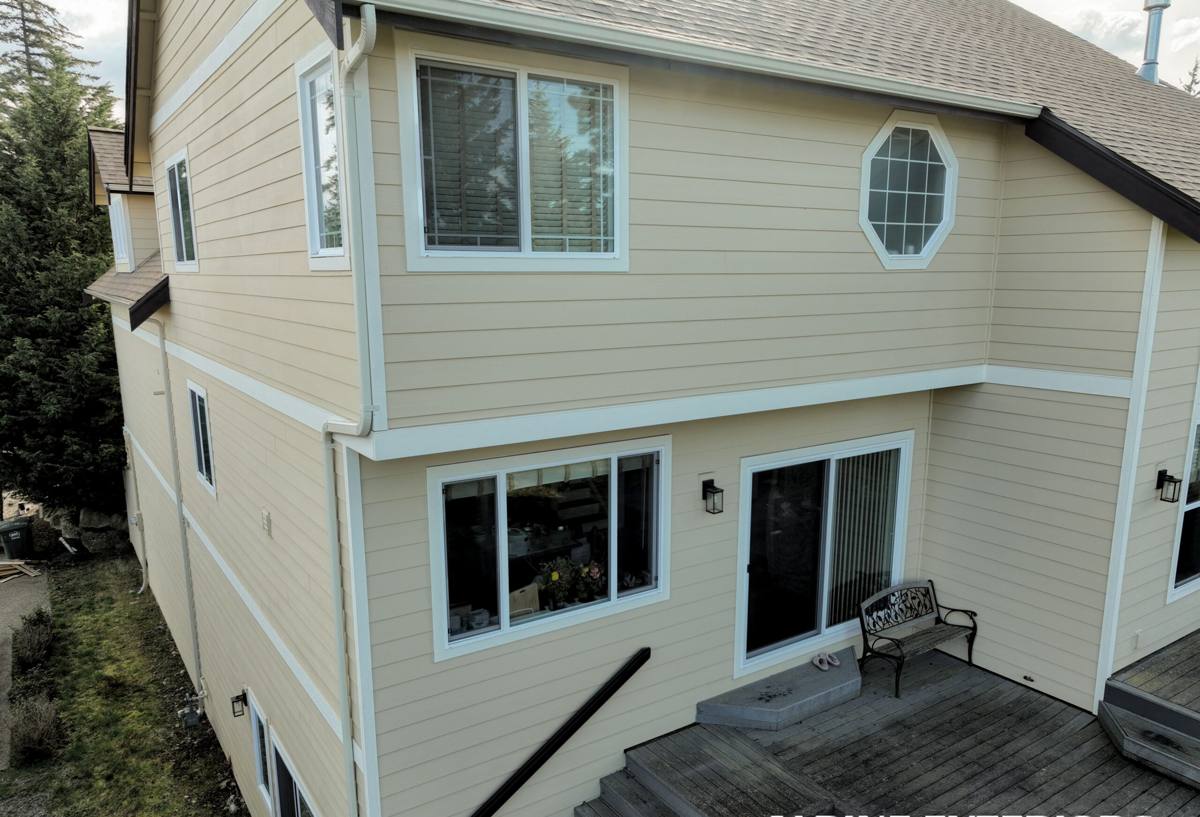
Historic Kenwood is one of St. Petersburg's older residential neighborhoods, built out mostly with bungalow and cottage-style homes from the early-to-mid 20th century. Adding or replacing a deck on a home like this isn't the same job as building one on a new-construction house in a subdivision. The framing underneath is older, the lots tend to be smaller with mature tree canopy, and the look of the house matters to the block, not just to the owner. On top of that, anything built outdoors in St. Petersburg has to survive hurricane-force wind events, wind-driven rain, salt air drifting in off Tampa Bay and the Gulf, and some of the most intense year-round UV exposure in the continental United States. A deck built without those two things in mind — the age of the home and the climate it sits in — tends to show problems within a few years: loose railings, cupped boards, rusted hardware, or a structure that never quite matched the house it was attached to.
What Pinellas County's Climate Actually Does to an Outdoor Deck
Every material choice and construction detail on this page traces back to four climate factors that are constant here, not occasional:
- Hurricane-force wind: A deck, and especially any attached pergola, railing, or stair structure, has to be fastened and anchored to resist uplift and lateral load, not just gravity.
- Wind-driven rain: Rain here doesn't just fall straight down. It drives sideways into ledger boards, fascia, and any gap where water can get behind a surface and sit.
- Intense, year-round UV: St. Petersburg gets strong sun exposure in every season, not just summer. UV breaks down sealers, fades wood and composite finishes, and dries out fasteners' protective coatings faster than in most of the country.
- Salt air: Being close to the bay and Gulf means airborne salt accelerates corrosion on any metal hardware, fasteners, or connectors that aren't rated for coastal exposure.
None of these are dramatic on their own. What they do is compound quietly — a deck that's "fine" for a couple of years and then fails all at once because the fasteners rusted through or the ledger board rotted behind a poorly flashed connection.
Older Homes, Older Framing: The Structural Realities in Historic Kenwood
Homes in Historic Kenwood generally predate modern residential building codes by decades. That matters when we're attaching a new deck to the house itself:
Foundation and Framing Age
Many homes in this era were built on pier-and-beam or masonry pier foundations rather than the monolithic slabs common in newer construction. Rim joists and sill plates may have been repaired or altered over the decades, sometimes without permits, sometimes with materials that don't match current code requirements. Before we ever attach a ledger board to an existing structure, we need to know exactly what's behind the siding — solid framing, or something that needs reinforcement first.
Lot Size and Mature Trees
Lots in this neighborhood tend to be tighter than in newer developments, and many properties have mature oak or other established trees close to the house. That affects footing placement (root systems can limit where we can safely dig), grading and drainage around the deck, and how much clearance we have for equipment during construction. It's a job that usually calls for careful, sometimes hand-dug footing work rather than heavy equipment rolling across the yard.
Permitting and Historic District Review
Depending on the property's designation, exterior changes in Historic Kenwood may go through additional review beyond a standard City of St. Petersburg building permit, particularly if the deck is visible from the street or attaches to character-defining parts of the house. We handle the standard building permit and structural sign-off as part of every job, and we'll flag early if your specific property looks like it may need historic district review so there are no surprises mid-project.
Choosing the Right Decking Material for This Neighborhood and This Climate
There's no single "best" decking material — there's a best material for a given home, budget, and maintenance appetite. Here's how the common options actually compare under St. Petersburg conditions:
| Material | UV & Fade Resistance | Salt Air / Corrosion Notes | Maintenance | Typical Cost Position |
|---|---|---|---|---|
| Pressure-treated pine | Fades and grays without regular sealing | Needs coastal-rated fasteners regardless of the wood itself | Annual or biannual sealing/staining | Lowest upfront cost |
| Capped composite decking | Strong UV resistance, minimal fading with quality products | Boards unaffected, but all hardware/connectors still need to be corrosion-rated | Occasional washing, no sealing/staining | Mid to upper range |
| Tropical hardwoods (e.g., ipe) | Naturally UV and rot resistant, will gray over time without oiling | Very durable, but hardware selection is critical due to density and tannins | Periodic oiling if color retention matters to you | Highest material cost |
| Uncapped composite/older-generation composite | More prone to fading and moisture absorption than capped products | Same hardware requirements as above | Low, but higher risk of surface wear over time | Lower-mid range |
For a historic-character home, the decking surface itself is only half the decision — railing style, post spacing, and skirting details also need to read as appropriate to the house rather than looking like a generic modern deck bolted onto an older bungalow. We'll talk through what fits the house, not just what's cheapest or trendiest.
The Case for Being Honest About Wood
We're upfront with clients about pressure-treated wood: it's a legitimate, lower-cost option, but it demands real maintenance discipline in this climate — sealing on a schedule, not "whenever it looks bad." If that maintenance isn't going to happen, a capped composite product will almost always outperform it here over a 10-15 year horizon, even with a higher upfront cost. We'd rather tell you that up front than sell you a low-maintenance claim on a product that isn't actually low-maintenance in coastal Florida sun.
What a Correctly Built Deck Involves
A deck that's going to hold up here isn't just boards screwed to a frame. The details that actually matter, in order of how often we see them skipped on older, lower-quality work:
- Ledger board flashing: Proper flashing where the deck attaches to the house prevents wind-driven rain from getting behind the siding and rotting the rim joist — this is the single most common failure point we see on older decks.
- Corrosion-rated fasteners and connectors: Stainless steel or coastal-rated hot-dip galvanized hardware throughout, not standard interior-grade fasteners that will rust within a few seasons of salt air exposure.
- Hurricane-rated structural connectors: Joist hangers, post bases, and uplift connectors sized for wind load, not just gravity load — this is what keeps a deck attached to the house and the ground in a severe wind event.
- Footings sized for local soil and load requirements: Sized and depth-checked for Pinellas County soil conditions and the current building code, not just "what was there before."
- Proper drainage and grading: Water needs somewhere to go — standing water at footings or against the house foundation is a slow, expensive problem waiting to happen.
- Code-compliant railing and stair geometry: Rail height, baluster spacing, and stair rise/run built to current code, especially important on older homes where the original structure may predate these standards entirely.
Our Process, Start to Finish
We keep the process straightforward and communicate at each stage, especially given how many older-home variables can come up:
- On-site assessment: We inspect the existing structure (if replacing a deck), the framing behind the attachment point, the lot, tree root locations, and drainage before quoting anything.
- Honest scope and material conversation: We walk through material options and cost trade-offs based on your budget, maintenance preference, and how the deck should look against the house.
- Permitting: We pull the required City of St. Petersburg permits and flag early if your property may need additional historic district review.
- Construction: Footings, framing, ledger flashing, and structural connectors go in first and get inspected before decking, railing, and finish work proceed.
- Final walkthrough: We go over the finished deck with you, including what maintenance (if any) the material you chose actually requires.
Maintenance That Actually Matters Here
Whatever material you choose, a few habits go a long way in this climate: rinse salt residue and debris off the deck surface periodically, especially after storms; keep gutters and downspouts near the deck clear so water isn't dumping directly onto footings or the ledger connection; and inspect visible hardware once a year for early rust or loosening, since it's far cheaper to replace a few fasteners than to repair a structural failure later. If you chose wood, stick to whatever sealing schedule was recommended for your specific product — skipping a year in Florida sun does more damage here than it would further north.
Why a Crew That Already Works in Historic Kenwood Makes a Difference
A deck builder who mostly works new-construction subdivisions hasn't necessarily dealt with 1920s pier foundations, mismatched prior repairs, or the judgment call of where a footing can go without cutting through a heritage tree's root zone. Working regularly in Historic Kenwood and similar St. Petersburg neighborhoods means we're used to opening up an older structure and finding out what's really there, adjusting the plan accordingly, and still landing on a deck that looks like it belongs on the house rather than like an add-on. That local, hands-on familiarity — with the neighborhood's homes, the City's permitting process, and the specific ways Pinellas County weather wears on outdoor structures — is what separates a deck that lasts from one that needs attention again in five years.
If you're considering a new deck or need to replace an aging one on a Historic Kenwood home, we're happy to take a look and give you a straightforward, no-pressure estimate. Use the form below to get started.