 St. Petersburg Siding
 Two Solid Products, One Climate That Doesn't Forgive Mistakes
Homeowners in St. Petersburg researching a siding replacement almost always run into the same two names: James Hardie fiber cement and LP SmartSide engineered wood. Both are legitimate step-up products from vinyl, and both have loyal installer bases around the country. But Pinellas County is not "around the country." Between hurricane-force wind events, months of unbroken UV exposure, wind-driven rain that gets pushed sideways into wall assemblies, and salt air rolling in off Tampa Bay and the Gulf, this peninsula stress-tests exterior materials harder than most U.S. markets. That's the lens this comparison uses — not which product is more popular nationally, but which one holds up on a house three miles from saltwater.
We install James Hardie exclusively. This page explains what LP SmartSide actually is, where it performs well, where it struggles in our specific climate, and why we made the call to standardize on fiber cement instead.
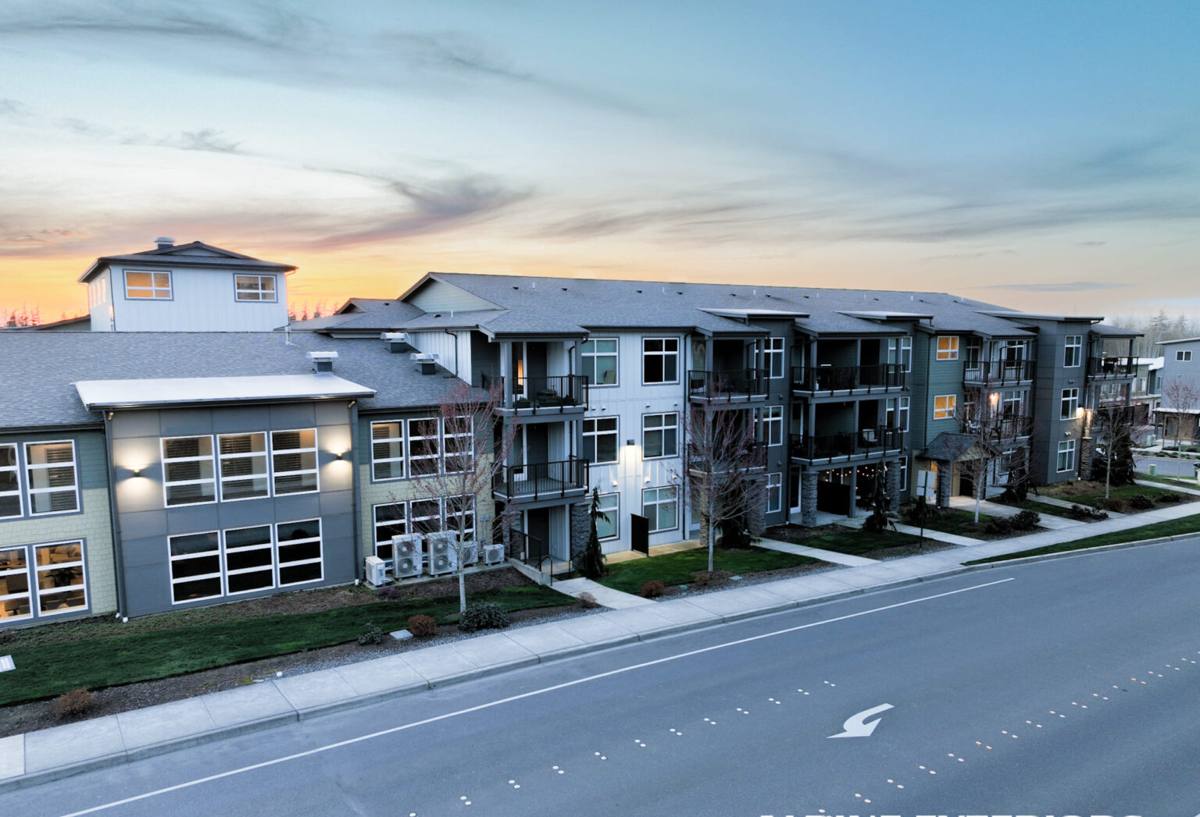
What LP SmartSide Actually Is
LP SmartSide is an engineered wood product — strands of wood fiber bonded with resin, treated with a zinc borate preservative to resist fungal decay and insects, then pressed into panels, lap boards, or trim. It's a genuine improvement over old-style hardboard siding from the 1980s and '90s, which had a rough reputation for swelling and delaminating. LP re-engineered the product specifically to address that history, and for a lot of the country it performs well.
The core material is still wood, though, which means its long-term performance depends heavily on keeping water out of the panel edges and any cut ends. That's a manageable job in a drier climate with shorter, less intense rain seasons. It's a tougher job here.
What James Hardie Fiber Cement Actually Is
James Hardie's siding is made from Portland cement, sand, and cellulose fiber, cured into a dense, rigid board. There's no wood fiber in the finished product to absorb moisture or feed rot, and the material itself is non-combustible. James Hardie also makes a climate-specific product line — HZ5 — engineered for hot, humid, high-moisture regions like Florida, with formulation adjustments aimed at this exact climate rather than a one-size-fits-all national spec.
How Each Material Handles St. Petersburg's Climate
Every siding material eventually meets Florida's climate on its own terms. Here's how the two compare across the conditions that matter most locally.
| Climate Factor | LP SmartSide (Engineered Wood) | James Hardie (Fiber Cement) |
|---|---|---|
| Hurricane-force wind | Rated for wind exposure when installed per spec; fastening pattern is critical | Rated for wind exposure; HZ5 formulation and dense board add rigidity against flying debris impact |
| Year-round UV exposure | Factory finish can chalk or fade over time; repainting eventually needed | ColorPlus factory-baked finish is formulated to resist UV fading longer than field-applied paint |
| Wind-driven rain | Performance depends on edge sealing and caulking staying intact | Cement composition doesn't absorb water into the board the way wood fiber can |
| Salt air / coastal corrosion | Fasteners and cut-edge treatment need diligence near the water | Non-organic material isn't a food source for the organisms that thrive in salt-humid air |
| Combustibility | Wood-based; treated but still an organic material | Non-combustible by composition |
Moisture Behavior Is the Real Difference
This is the crux of the decision, and it's worth being specific rather than vague about it. LP SmartSide's zinc borate treatment protects against rot and insects, but the product still relies on an intact factory finish and properly sealed cut edges and joints to keep water from reaching the wood fiber core. Every time a panel is cut on site — around a window, a vent, a corner — that cut edge needs field-applied sealant, and it needs to be redone if it's ever compromised. In a climate with St. Petersburg's rain volume and wind-driven intrusion, that's a maintenance item that has to be tracked for the life of the siding, not just at installation.
Fiber cement doesn't eliminate the need for good flashing and installation practice — no siding does — but the base material itself isn't the thing that fails if a sealant joint gets old and lets in moisture. That's a meaningful difference in a market where afternoon storms are a near-daily summer occurrence for months at a time.
Fire Exposure and Impact Resistance
James Hardie's fiber cement composition is non-combustible, which matters for insurance conversations and for homeowners who simply want one less organic material on the exterior of the house. LP SmartSide's engineered wood is treated for decay and insect resistance, but it remains a wood-based product from a fire-classification standpoint.
On impact resistance, both materials can perform well when installed to their engineered spec, but the density of fiber cement gives it an edge in resisting dings, dents, and the kind of wind-borne debris that shows up during a Gulf Coast storm season — landscaping debris, branches, and loose material from neighboring properties.
Finish, Color, and Long-Term Maintenance
James Hardie's ColorPlus technology is a factory-applied, baked-on finish system that's engineered specifically to resist UV fading and hold color consistency longer than a typical field-applied paint job — a real advantage under Florida's intense, near-constant sun exposure. LP SmartSide is also available with factory-primed and factory-finished options, but many installations rely on field priming and painting, which introduces more variables (paint quality, application conditions, prep work) into how well the finish holds up over the following decade.
Practically, that translates to a repainting and recaulking cadence homeowners should ask about directly, whichever product they choose. It's a cost that shows up years after the original installation, and it's easy to underweight when comparing sticker prices up front.
Warranty Structures Worth Comparing
- Ask whether the warranty is prorated or non-prorated over its full term
- Ask whether the warranty covers labor to remove and reinstall siding, or just material replacement
- Ask whether the warranty is transferable to a new owner if you sell the home
- Ask whether the finish/paint warranty is separate from the substrate warranty, and how long each runs
- Ask whether warranty coverage requires proof of installation by a certified or approved contractor
James Hardie's warranty structure includes a transferable non-prorated coverage period on both the substrate and the ColorPlus finish, which is a meaningful factor for homeowners who may sell within the warranty window — common in a market like St. Petersburg with steady buyer turnover. Whatever product a homeowner chooses, these are the specific questions to get answered in writing, not just "there's a warranty."
Why Installation Sensitivity Changes Everything
Both products are only as good as the crew installing them. Fastening patterns, ground clearance, flashing details around windows and doors, and gap spacing for expansion all matter. Where the two materials diverge is in how much room for error the base material tolerates. A wood-based product that gets a sealed edge slightly wrong, or sits too close to grade where it stays damp, has less margin before that error becomes a moisture problem. Fiber cement's inorganic composition gives installation mistakes more time to get caught and corrected before they turn into structural damage.
That installation sensitivity is a big part of why we made an operational decision to standardize on one product system rather than quote whichever material a homeowner asks for. Certifying a crew on one product's details — Hardie's fastening specs, joint treatment, and HZ5 handling — means those details get done the same correct way on every job, rather than switching installation logic between multiple product systems.
Why We Put James Hardie on Homes Instead
LP SmartSide is a real product with real engineering behind it, and it has a place in siding markets with less punishing sun, rain, and salt exposure. In Pinellas County specifically, we've made the professional call that fiber cement's non-combustible, moisture-resistant composition, its climate-engineered HZ5 line, its factory-baked ColorPlus finish, and its transferable warranty structure line up better with what a house here actually has to survive — hurricane season, year-round UV, and salt air, year after year. That's not a knock on engineered wood as a category; it's why we chose to install and stand behind one system instead of offering several.
If you're weighing siding options for a St. Petersburg home, we're glad to walk through the specifics in person — what your home's exposure looks like, what condition your current siding is in, and what a Hardie installation would involve. Reach out for a free, no-pressure estimate and we'll give you a straight answer, not a sales pitch.