 St. Petersburg Siding
 Siding on a Barrier Island Is a Different Job
St. Pete Beach sits out on a narrow barrier island along Pinellas County's Gulf coast, and that location changes what a home's exterior has to deal with compared to a house a few miles inland in St. Petersburg proper. Homes here face a tighter, harsher combination of conditions: salt-laden air moving in off the Gulf almost constantly, intense sun exposure with very little tree canopy to break it up, wind-driven rain that comes in sideways during storms, and the structural stress of hurricane-force wind events that barrier islands take more directly than the mainland. None of this is exotic knowledge to anyone who has lived out there for a while — it's just the trade-off for the location. But it matters a lot when you're choosing exterior materials, because products that hold up fine in a shaded inland neighborhood can wear out noticeably faster a block from the beach.
This page is about what that means for siding specifically, since siding takes the brunt of all four of those stressors at once — sun, salt, wind, and water — for the full life of the product, every single day.
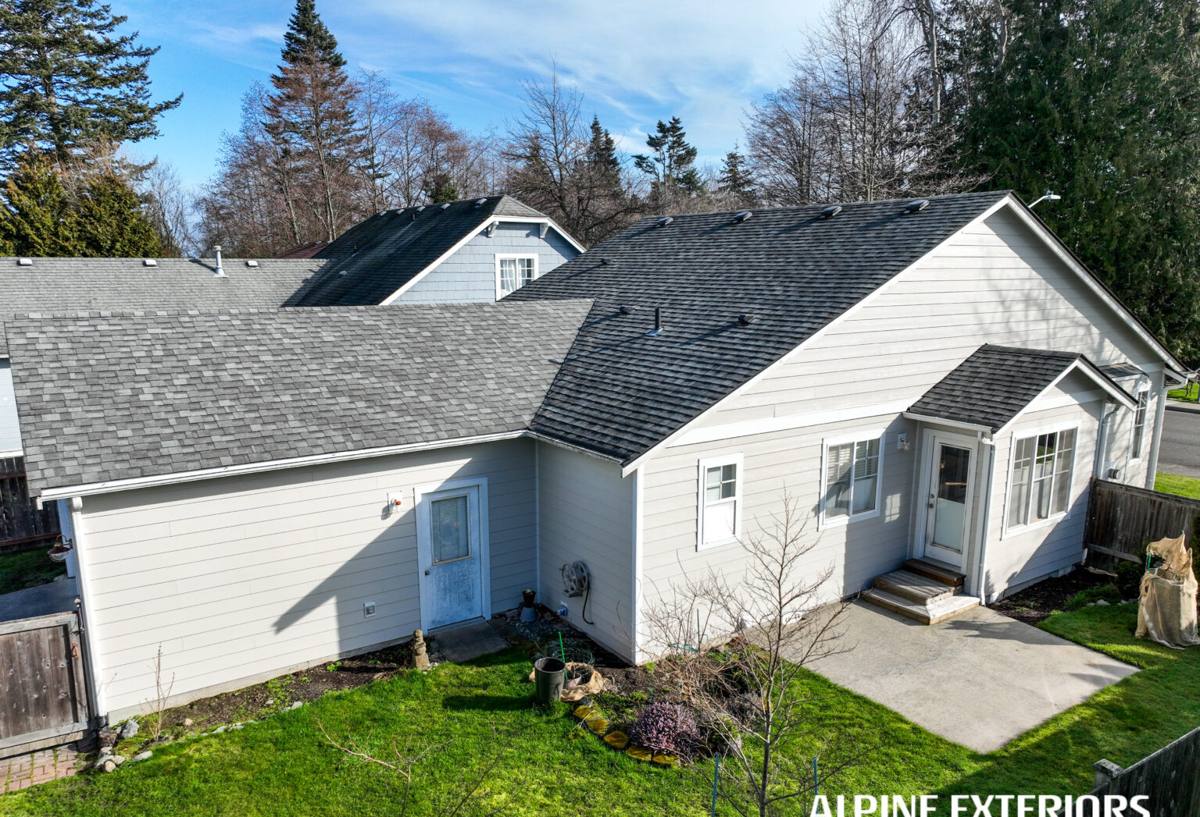
What Barrier Island Exposure Actually Does to Siding
Salt Air and Corrosion-Adjacent Wear
Salt doesn't just affect metal. It settles into porous or seamed materials, holds moisture against the surface, and accelerates breakdown of caulk, trim joints, and lower-quality finishes. Homes closer to the water tend to show fading, chalking, and joint failure years before comparable homes further inland experience the same thing. It's a slow, cumulative effect — not something that shows up in year one, but it adds up.
UV Load
Pinellas County gets strong, direct sun most of the year, and a beach-adjacent property with no shade cover gets the full dose. UV breaks down pigments and surface coatings over time, which is why color fade and chalking are common complaints with lower-grade siding products in this part of Florida.
Wind-Driven Rain
During tropical storms and hurricanes, rain doesn't fall straight down — it's forced sideways into walls, under laps, and behind trim by sustained high wind. Siding systems that rely on tight tolerances, careful flashing, and water-resistant (not just water-shedding) materials perform very differently than systems that depend on paint film alone to keep moisture out.
Wind Load Itself
Beyond the rain it carries, wind puts direct mechanical stress on siding — uplift at edges and corners, fastener strain, and repeated flexing during gusts. Installation quality (fastening pattern, gapping, flashing details) matters as much as the product itself when wind speeds get into hurricane range, which is a real consideration for a barrier island community.
Why We Standardized on James Hardie Fiber Cement
We install James Hardie fiber cement siding exclusively. We don't install vinyl, LP SmartSide, Cemplank, Allura, or primed wood siding like spruce or cedar. That's a deliberate standard, not a sales preference, and it's worth explaining honestly rather than just asserting it.
Why Not the Alternatives, in Coastal Conditions Specifically
- Vinyl siding is affordable and low-maintenance in mild climates, but it's a thin plastic product that can warp or deform under sustained high heat and direct sun, and it has real limits in high-wind exposure — panels can be pulled loose or damaged in storm-force gusts more easily than a heavier, mechanically fastened material.
- LP SmartSide, Cemplank, and Allura are engineered wood or fiber cement competitors that have real strengths, but each comes with trade-offs we've weighed — engineered wood products (like SmartSide) are wood-based and more moisture-sensitive at cut edges and joints than fiber cement, which matters where wind-driven rain is routine. Competing fiber cement brands may perform similarly on paper, but we've standardized on one manufacturer, one factory finish system, and one warranty structure so we can stand fully behind installation and long-term performance without split accountability.
- Primed wood siding (spruce, cedar) is a traditional look that some homeowners want, but raw or primed wood requires an ongoing maintenance commitment — repainting, caulking, and moisture monitoring — that's a lot to ask in a climate this humid and salty. Wood also remains combustible and more vulnerable to rot and insect damage than fiber cement.
What James Hardie Gets Right for This Exposure
Fiber cement is non-combustible, dimensionally stable in heat and humidity swings, and resistant to the freeze-thaw and moisture-cycling issues that shorten the life of wood-based products. James Hardie's HZ5 product line is engineered specifically for hot, humid, high-moisture climates like Florida's — that's not a generic claim, it's the actual product designation the manufacturer builds for this region. Combined with the ColorPlus factory finish (baked-on color and UV-resistant topcoat applied under controlled conditions, rather than field-painted), it holds color and resists the chalking and fade that raw sun exposure causes faster in unprotected products.
Comparing Siding Options for a Barrier Island Home
| Factor | Vinyl | Engineered Wood (SmartSide) | Primed Wood | James Hardie Fiber Cement |
|---|---|---|---|---|
| Heat/UV stability | Can warp in high heat | Moderate | Fades, needs repainting | Factory-finish UV resistance |
| Moisture/humidity resistance | Good, but seams vulnerable | Wood-based, edge-sensitive | Requires diligent maintenance | Engineered for high-humidity climates |
| High-wind performance | Can dislodge in severe gusts | Depends on installation | Depends on installation | Heavier, mechanically fastened system |
| Combustibility | Melts/deforms under heat | Wood-based, combustible | Combustible | Non-combustible |
| Maintenance burden | Low | Moderate | High (repaint cycles) | Low (factory finish) |
How This Plays Out on a St. Pete Beach Job
A siding project close to the Gulf isn't just "the same install, closer to the water." A few things we pay particular attention to on barrier island homes:
- Flashing and water management details at every joint, window, and penetration — since wind-driven rain finds any gap over time.
- Fastening patterns rated for the wind exposure category the home actually sits in, not a generic inland spec.
- Proper gapping and caulking per manufacturer spec, since barrier island humidity and salt cycling punish shortcuts faster than a mainland install would.
- Coordinating siding work with roofing, window, and trim details so the whole exterior envelope is sealed as one system, not a patchwork of separately-installed components.
Siding Doesn't Work Alone — The Rest of the Exterior Envelope
Siding is one piece of how a barrier island home resists wind, water, and sun. We also handle roofing, windows, and decks, and on a property this exposed, those systems all depend on each other. A roof that isn't properly flashed at the wall line can push water behind good siding. Windows that aren't sealed correctly undercut even the best fiber cement installation around them. And an exterior-grade deck near saltwater air has its own material and fastener considerations. When we look at a St. Pete Beach home, we look at the whole envelope, because treating siding as an isolated project can leave the rest of the house exposed to the same conditions we just protected the walls from.
What to Ask Before Hiring Anyone for Coastal Siding Work
Pinellas County's coastal exposure means not every contractor's normal practices are built for barrier island conditions. A few things worth asking any contractor you're considering, regardless of who you hire:
- Do they have specific experience with coastal or barrier island installations, not just general Florida work?
- What fastening and flashing specifications do they follow for high-wind zones?
- What warranty applies to both the material and the labor, and is it transferable if you sell the home?
- Are they licensed and insured in Florida, and can they explain how local wind and building codes affect the install?
- Do they coordinate siding with roofing, windows, and trim, or treat each as a separate, uncoordinated trade?
A Local Crew Matters Here
Barrier island conditions aren't uniform across Pinellas County — a home a block from the Gulf faces a meaningfully different exposure than one further inland in St. Petersburg. A crew that works this specific stretch of coast regularly gets a feel for which details actually matter here: how salt air behaves against different products over years, what wind exposure categories apply to specific parts of the island, and where water tends to find its way into a house during a bad storm. That's the kind of judgment that comes from doing the work locally and repeatedly, not from a generic statewide install process.
What This Means for Your Project
If you're planning a siding project on St. Pete Beach — whether it's a full replacement after storm damage, a proactive upgrade before the next hurricane season, or part of a broader exterior renovation alongside roofing or windows — the material choice matters as much as the installation. We install James Hardie fiber cement because we've seen how it holds up against sun, salt, and wind in this exact kind of exposure, and we stand behind that choice with a single manufacturer's warranty and a consistent installation standard, rather than juggling multiple product lines with different trade-offs.
If you'd like a straightforward look at your home's exterior and what it's facing living this close to the Gulf, we're happy to walk the property with you and lay out honest options — no pressure, no obligation. A free estimate is a good first step whether you're ready to move forward now or just want to understand where things stand.