 St. Petersburg Siding
 Siding Built for Pinellas Park's Climate
Pinellas Park sits in the middle of one of the most demanding climates in the country for exterior building materials. Homes here aren't just dealing with heat — they're dealing with a combination of hurricane-force wind gusts, near-constant UV exposure, wind-driven rain that gets pushed sideways into wall assemblies, and salt-laden air drifting in off Tampa Bay and the Gulf. Any one of those factors will wear down a poorly matched siding product over time. Together, they do it faster. That's the lens we use on every siding, roofing, window, and deck project we take on in this part of Pinellas County: what will actually hold up here, not just what looks good on install day.
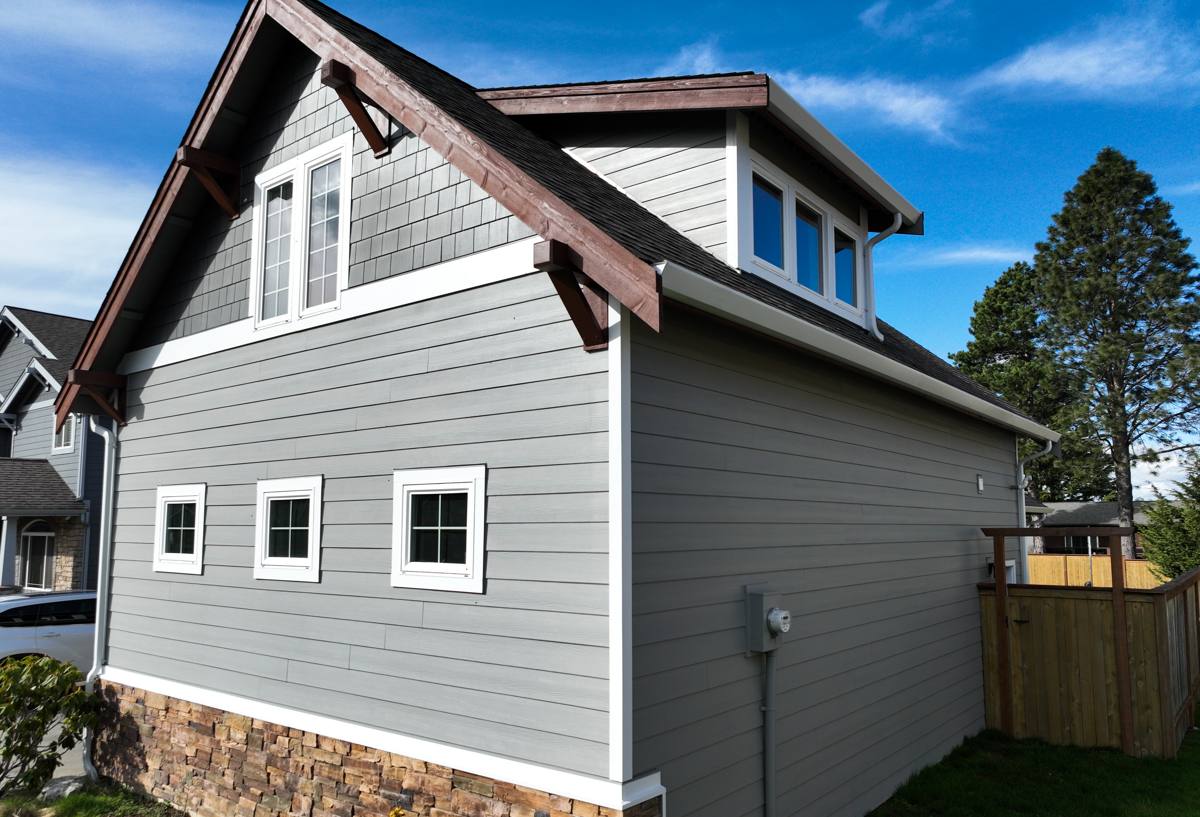
What Pinellas Park Homes Are Up Against
Wind and Storm Pressure
Pinellas Park isn't directly on the coast, but it's close enough that tropical systems and seasonal thunderstorms still bring sustained high winds and gusts strong enough to test fasteners, flashing, and panel edges. Siding that isn't rated for wind exposure — or that was installed with shortcuts on nailing patterns and clearances — is often the first thing to show damage after a storm, sometimes before the roof does.
Wind-Driven Rain
Florida rain rarely falls straight down. During storms it gets driven sideways into siding, soffits, and window trim, which means the exterior envelope has to shed water at horizontal and even upward angles, not just vertically. Products and installation details that work fine in drier climates can fail here specifically because they were never designed for that kind of water intrusion.
Year-Round UV
Central Florida gets intense, nearly year-round sun exposure. UV breaks down pigments, softens caulks and sealants, and accelerates the fading and chalking that make a house look tired well before it's actually failing structurally. Paint finishes applied on-site are especially vulnerable to this kind of early cosmetic breakdown.
Salt Air
Even set back from the water, Pinellas Park gets salt-laden air moving through on Gulf breezes. Salt accelerates corrosion in fasteners and metal components and can degrade certain siding substrates over years of exposure, particularly at seams, edges, and cut ends where moisture and salt can work their way in.
Why We Only Install James Hardie Fiber Cement
We get asked regularly why we don't offer vinyl, LP SmartSide, or other engineered wood or composite siding products. The honest answer is that we made a standard decision based on what performs consistently in this specific climate, not on any single product being universally bad. Vinyl can warp and crack under sustained UV and heat cycling. Engineered wood products rely on maintaining an intact factory coating and dry edges to resist moisture — a hard standard to guarantee over decades of Florida humidity and driving rain. Those trade-offs are real, and for a coastal-adjacent Pinellas County home, they add up to more maintenance and more risk over the life of the siding.
James Hardie fiber cement is non-combustible, dimensionally stable across heat and humidity swings, and available in HZ5 formulations engineered specifically for high-moisture, high-humidity climates like ours. The ColorPlus factory-applied finish is baked on under controlled conditions, which gives it better fade and chip resistance than field-applied paint and comes backed by its own finish warranty separate from the product warranty. That combination — material stability plus a finish that's actually built for sun and salt exposure — is why it's the only siding system we put on homes.
Material Comparison at a Glance
| Factor | James Hardie Fiber Cement | Vinyl | Engineered Wood (e.g. LP SmartSide) |
|---|---|---|---|
| UV / fade resistance | Factory ColorPlus finish, rated for long-term color retention | Can fade, warp, or become brittle with prolonged sun exposure | Depends on maintaining intact factory coating |
| Moisture behavior | Engineered HZ5 formulation for humid/coastal climates | Generally water-resistant but can trap moisture behind panels | Vulnerable at cut edges and joints if not sealed and maintained |
| Wind/impact durability | Dense, rigid, holds up well to wind-driven debris | Can crack or blow off in high wind if not rated/installed correctly | Moderate; depends on installation and fastening |
| Combustibility | Non-combustible | Combustible | Combustible |
| Maintenance | Low; occasional wash and caulk check | Low, but repairs can be visually obvious | Higher; coating and caulking upkeep is important |
Siding, Roofing, Windows, and Decks — Handled as One System
A home's exterior only performs as well as its weakest connection point. Siding that's installed perfectly but butts up against poorly flashed windows, or a roof with failing drip edge, will still let water in. Because we handle siding, roofing, windows, and decks, we look at a Pinellas Park home's full exterior envelope rather than treating each trade as a separate transaction.
Roofing
Roof condition directly affects how well siding and soffits perform underneath it. Damaged flashing, worn shingles, or clogged gutters send water down onto siding and trim that isn't designed to handle constant runoff, which shortens the life of even well-installed Hardie panels.
Windows
Window flashing and trim are common leak points, especially under wind-driven rain conditions. When we install siding around existing or replacement windows, we pay close attention to how water is directed away from the window frame and back out past the siding plane — not just how it looks from the street.
Decks
Exterior decks in this climate deal with the same UV and humidity stress as siding, just from a different angle — direct sun overhead and moisture from below. Materials and fastening choices matter just as much here as they do on the walls of the house.
What Correct Installation Actually Involves
Fiber cement siding performs the way it's engineered to only when it's installed to manufacturer spec. That's not a minor detail — it's the difference between a 30+ year exterior and one with early problems that get blamed on the material instead of the install. Correct installation includes:
- Proper starter strips and clearance from grade, roof lines, and decking to keep panel edges away from standing water
- Correct fastener type, spacing, and penetration depth — critical for wind resistance in a hurricane-prone area
- Weather-resistant barrier installed and lapped correctly behind the siding, not just stapled up as an afterthought
- Proper flashing integration at windows, doors, and roof-to-wall transitions
- Correctly sized gaps and quality sealant at joints and penetrations, sized to allow for material movement
- Factory-cut edges used wherever possible, with any field cuts properly sealed to protect against moisture intrusion
Skipping or rushing any of these steps is where most siding failures actually originate — not from the material itself, but from installation shortcuts that show up as problems years later.
Signs Your Current Siding May Be Struggling
Pinellas Park's climate tends to expose siding weaknesses earlier than milder climates would. Homeowners should watch for:
- Visible warping, buckling, or gaps between panels, especially after storm season
- Soft spots or spongy areas, which usually indicate moisture has gotten behind the siding
- Persistent chalking, fading, or peeling paint that keeps coming back after repainting
- Cracking around window and door trim where flashing may have failed
- Rust streaking from fasteners, a sign of corrosion working from the inside out
- Rising cooling bills, which can point to a compromised exterior envelope letting heat and humidity in
Cost Factors for Pinellas Park Siding Projects
Every home is different, but the variables that most often move a project's scope and cost are consistent across Pinellas County homes:
| Factor | Why It Matters |
|---|---|
| Home size and wall complexity | More corners, gables, and trim detail mean more labor and material cuts |
| Extent of existing damage | Rotted sheathing or damaged framing found during tear-off adds repair scope |
| Siding profile and finish selection | Lap width, texture, and ColorPlus color selection affect material cost |
| Access and site conditions | Tight lot lines, landscaping, or multi-story sections affect labor time |
| Scope bundling | Combining siding with roofing, window, or trim work can improve overall efficiency |
We don't quote broad numbers without seeing the home — too many of those variables change from one property to the next — but we're upfront about what's driving cost on your specific project before any work starts.
Why a Local Crew Matters
A crew that works Pinellas County homes regularly understands the practical realities of building here: how storm season timing affects scheduling, what permitting and inspection expectations look like locally, and how salt air and humidity actually behave on a jobsite versus in a manufacturer's spec sheet. That local, repeated exposure to the same climate conditions is part of why installation quality holds up — it's not theoretical for us, it's what we see on every project in this area.
Get a Free, No-Pressure Estimate
If your Pinellas Park home's siding is showing its age, or you're planning ahead before the next storm season, we're happy to take a look and walk you through what we see — no pressure, no obligation. Use the form below to request a free estimate for siding, roofing, windows, or deck work.