 St. Petersburg Siding
 Why Bartlett Park Roofs Wear Differently
Bartlett Park sits in south St. Petersburg, close enough to Tampa Bay and the Gulf that salt-laden air is a constant factor in how a roof ages here, not an occasional one. Add in Pinellas County's intense year-round UV exposure, the wind-driven rain that comes with our summer thunderstorm pattern, and the real risk of hurricane-force winds during storm season, and you have a climate that is genuinely harder on a roof than most of the country. A roof that would last 25 years in a milder climate can show granule loss, flashing failure, or nail pop within half that time here if it wasn't installed with these conditions in mind.
That's the core of what a new roof installation should mean for a Bartlett Park home: not just swapping old shingles for new ones, but building an assembly that's matched to this specific set of stresses — sun, salt, wind, and water — from the deck up.
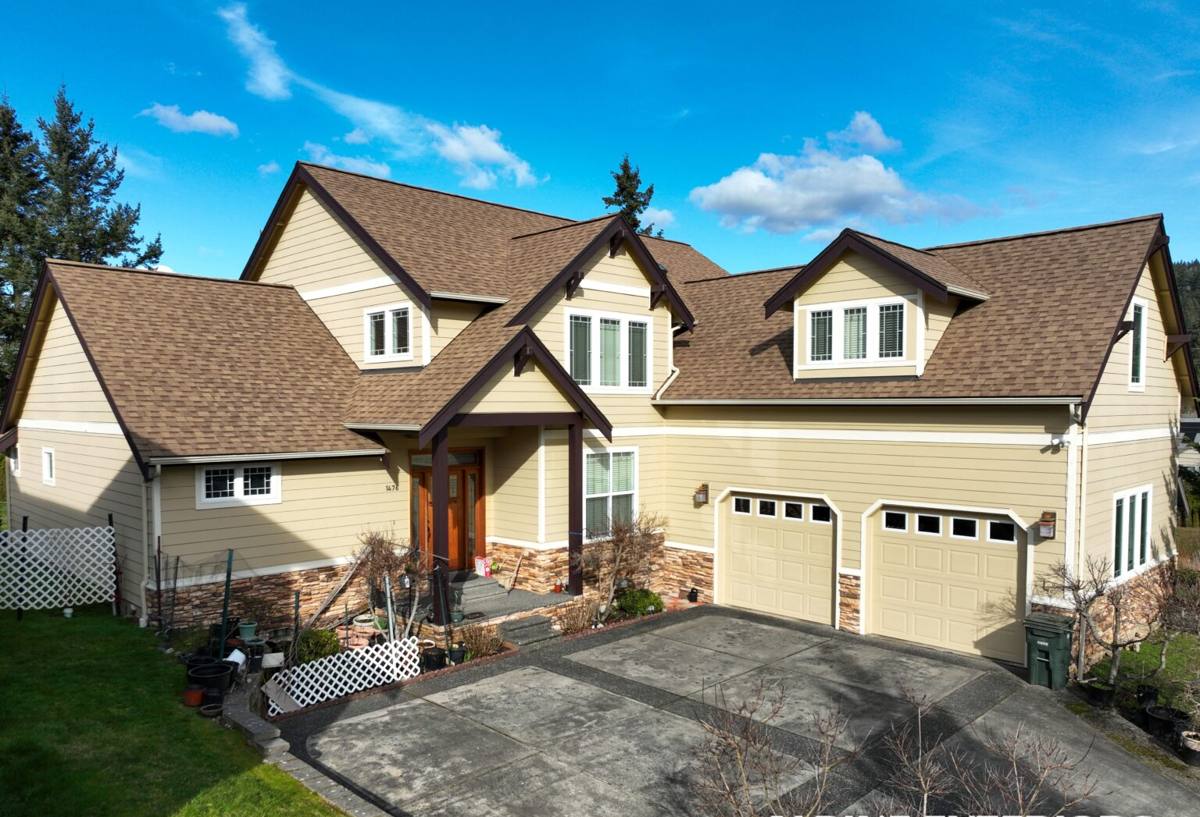
Signs a Bartlett Park Home Needs a New Roof (Not Just a Repair)
Homeowners in this neighborhood often call us after a repair, sometimes more than one, hasn't solved the underlying problem. A few signs that point toward full replacement rather than another patch:
- Granule loss heavy enough that you can see bare, shiny patches on shingles, especially on south- and west-facing slopes that take the most UV
- Curling, cupping, or cracked shingles across multiple areas of the roof rather than one isolated spot
- Soft spots in the decking when walked, which usually means water has been getting past the shingles for a while
- Rusted, lifted, or missing flashing around chimneys, vent pipes, and roof-to-wall transitions
- A roof approaching or past 20 years old, particularly if it's never had a wind mitigation inspection
- Recurring leaks in the same spot after repair, which usually signals a systemic issue rather than a localized one
If you're only seeing one or two of these and the roof is relatively young, a repair may still be the right call — we'll tell you that honestly rather than push a replacement you don't need yet.
What a Correct New Roof Installation Involves
Tear-Off and Deck Inspection
We remove the existing roofing down to the deck rather than layering over it. This is the only way to actually see what's underneath — soft or delaminated plywood, old fastener patterns, or hidden water damage from years of small leaks. Any bad decking gets replaced before anything new goes down; installing new shingles over a compromised deck just guarantees an early failure.
Underlayment and Water Barrier
Given how much wind-driven rain this area sees, underlayment choice matters more here than in drier climates. Self-adhering underlayment at eaves, valleys, and roof penetrations gives an extra line of defense in the spots most likely to take on water when rain is being pushed sideways instead of falling straight down.
Flashing Details
Flashing failure is one of the most common causes of leaks we find on older St. Petersburg roofs, and it's rarely the field of the roof that fails first — it's the transitions. New step flashing at walls, counterflashing at chimneys, and properly sealed pipe boots are not optional add-ons; they're where most water intrusion actually starts.
Ventilation
Florida attics run hot, and poor ventilation shortens shingle life from underneath by trapping heat and moisture against the deck. We check intake and exhaust balance as part of every installation rather than assuming the existing vents were adequate.
Wind-Rated Fastening and Material Installation
Nailing pattern and fastener count aren't places to cut corners in a county that sees hurricane-force winds. We install to the manufacturer's high-wind specifications, which typically means more fasteners per shingle than the minimum code allows, because the minimum is a floor, not a target.
Roofing Material Options for St. Petersburg Homes
There's no single "best" material for every Bartlett Park roof — it depends on your home's structure, your budget, and how long you want to go before the next replacement. Here's an honest comparison of the main options we install:
| Material | Typical Lifespan Here | Wind & Salt Air Performance | Relative Cost |
|---|---|---|---|
| Architectural asphalt shingles | 18–25 years | Good with proper fastening and high-wind rated products; most common choice locally | $ |
| 3-tab asphalt shingles | 12–18 years | Lower wind rating than architectural shingles; less suited to this climate | $ |
| Standing seam metal | 40–50+ years | Excellent wind resistance and handles salt air well with the right coating; higher upfront cost | $$$ |
| Tile (concrete or clay) | 40–50+ years | Very durable against UV and wind when properly installed, but heavier and requires a structure rated for the load | $$$ |
Most of the new roof installations we do in this neighborhood are architectural asphalt shingles rated for high wind, simply because they balance durability, cost, and appearance well for the typical Bartlett Park home. Metal and tile come up more often on homes where the owner is planning to stay long-term and wants to minimize how many more times they'll replace a roof in their lifetime.
Our Process, Start to Finish
- Inspection and estimate — We walk the roof, check the attic, and give you a written scope of work and price, not a vague ballpark.
- Material selection — We go over the options above in the context of your home and budget, including manufacturer warranty terms.
- Permitting — We pull the required roofing permit through the City of St. Petersburg before work begins.
- Tear-off and deck repair — Old roofing comes off, the deck is inspected, and any bad wood is replaced.
- Installation — Underlayment, flashing, ventilation, and the new roofing material go on in that order, following manufacturer and high-wind installation specs.
- Final inspection and cleanup — The job passes municipal inspection, and we do a magnetic nail sweep of the property before we consider the job done.
Permits, Codes, and Wind Mitigation in Pinellas County
A new roof in St. Petersburg is a permitted job, and for good reason — Pinellas County's building code reflects the real risk of hurricane-force winds this area faces. Beyond passing inspection, a correctly installed roof can also qualify you for a wind mitigation inspection afterward, which many homeowners use to reduce their windstorm insurance premiums. We install to the standard that supports that outcome, but we'd recommend confirming specific savings with your insurance carrier since that depends on their underwriting, not just the roof itself.
Cost Factors to Understand Before You Get Quotes
Roofing quotes can vary widely, and not always for reasons that are obvious from the number alone. Before comparing bids, it helps to know what actually drives the price:
- Roof size and complexity — number of valleys, hips, and penetrations adds labor time
- Material choice — asphalt, metal, and tile carry very different material and labor costs
- Deck condition — hidden rot found during tear-off means additional plywood replacement
- Steepness and accessibility — steep or hard-to-access roofs take longer and require more safety setup
- Underlayment and flashing upgrades — better water barrier details cost more but reduce leak risk in this climate
- Permit and disposal fees — often bundled into the quote but worth confirming they're included
Be wary of any quote that's dramatically lower than others for the same scope of work — it usually means something is being left out, whether that's permit fees, proper underlayment, or adequate fastening for local wind requirements.
Why a Crew That Already Works Bartlett Park Matters
A roofing crew that regularly works in this part of St. Petersburg already understands the local permitting process, has a practical sense of how homes in this area were originally built, and knows what this climate actually does to a roof over time rather than working from generic assumptions. That familiarity shows up in small but meaningful ways — knowing which flashing details tend to fail first on older St. Pete homes, or not being surprised by what a summer storm season does to an incomplete tear-off left exposed overnight. It also means a real local presence if a warranty question or storm-related concern comes up after the job is finished, rather than a crew that did one job in the neighborhood and moved on.
If your roof is showing its age or you just want an honest opinion on whether repair or replacement makes sense for your home, we're happy to take a look. Fill out the form below for a free, no-pressure estimate — we'll tell you what we actually see, not just what sells a bigger job.