 St. Petersburg Siding
 Deck Building in Old Northeast: Built for the Neighborhood You Actually Live In
Old Northeast is one of St. Petersburg's older, established neighborhoods — mature tree canopy, historic bungalow and Craftsman-style homes, brick streets in parts of the district, and lots that were platted long before anyone thought about hurricane wind loads or modern deck codes. Building a deck here isn't the same job as building one in a newer Pinellas County subdivision with a bare, sunny backyard and a slab foundation. Older homes often have uneven grading, established root systems close to the house, and framing conditions from a different era that a deck has to tie into correctly. We build decks specifically with that context in mind, not a one-size-fits-all plan pulled off a shelf.
This page covers what a deck in Old Northeast actually needs to hold up — structurally and visually — and how we approach the job from first site visit to final walkthrough.
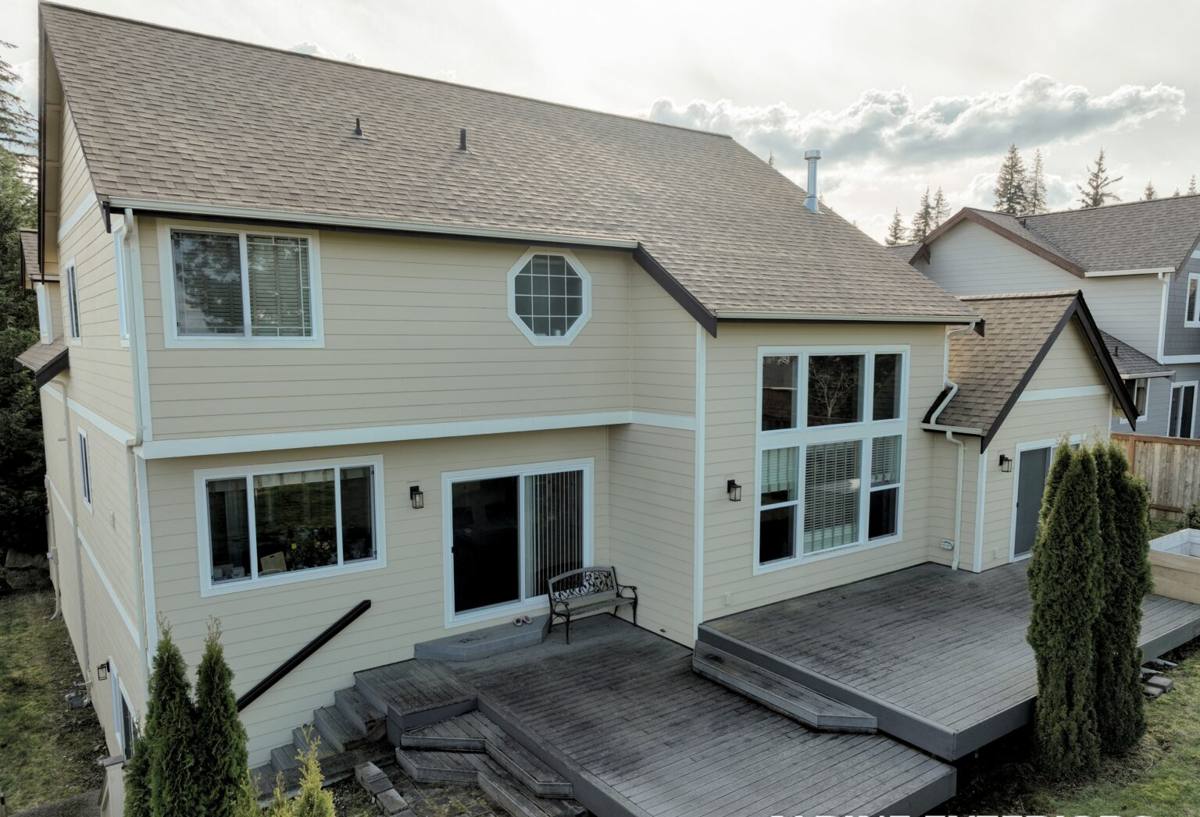
What St. Petersburg's Climate Actually Does to a Deck
Pinellas County sits on a peninsula, which means every outdoor structure here deals with a combination of stresses that inland decks never see. It's worth being specific about what's actually working against a deck over time, because it shapes almost every material and fastener decision we make.
- Hurricane-force wind: Deck framing, ledger attachment, and post connections all need to resist uplift and lateral load, not just support weight. A deck that's only built to carry foot traffic is not built for this coast.
- Intense, near-constant UV: Florida sun breaks down wood fibers, fades composite boards unevenly if they're not UV-stabilized, and dries out sealants faster than in most of the country.
- Wind-driven rain: Storms here don't fall straight down — rain gets driven sideways and up under boards, into ledger connections, and behind fascia. Drainage and flashing details matter more than the decking material itself.
- Salt air: Even set back from the water, St. Petersburg's air carries enough salt content to accelerate corrosion on standard fasteners and hardware over a period of years, not decades.
None of these forces are unique to Old Northeast, but the neighborhood's mature landscaping adds a layer on top: shade from established trees keeps some decks damp longer after rain, and root systems can affect how footings are placed and how much the ground shifts season to season.
Shade, Moisture, and Old Northeast's Tree Canopy
A lot of Old Northeast's charm comes from its tree cover, but shaded decks dry out slower after rain and hold humidity longer than a deck in full sun. That changes two things about how we build: spacing between boards needs to be sized for adequate airflow underneath, and we're more careful about ventilation in the substructure so moisture doesn't get trapped against joists. A deck built for a sunny, open lot and simply replicated on a shaded Old Northeast lot will often show mildew staining and slower drying within the first year or two — the fix is in the build, not an after-the-fact pressure wash.
Choosing a Decking Material for This Climate
There's no single "best" decking material — there's a best fit for your budget, your maintenance appetite, and how much sun or shade your specific yard gets. Here's how the common options actually compare for a coastal Pinellas County property:
| Material | Upfront Cost | Maintenance | Coastal Durability | Notes |
|---|---|---|---|---|
| Pressure-treated pine | Lowest | Annual sealing/staining | Moderate | Needs consistent upkeep in humidity; cheapest to replace boards individually |
| Composite decking | Mid-to-high | Low — occasional wash | Good | Choose a capped, UV-stabilized product; uncapped composites can absorb moisture over time |
| Tropical hardwoods (e.g., ipe) | High | Periodic oiling to maintain color | Very good | Dense and durable but heavy, and requires correct fastener selection to avoid staining |
| PVC decking | Mid-to-high | Very low | Very good | Doesn't absorb moisture at all; can run hotter underfoot in direct sun |
For a shaded Old Northeast lot, composite or PVC generally makes more sense than an unsealed wood that's slow to dry. For a sunnier, more open backyard, pressure-treated wood or a hardwood can perform well if the owner is realistic about the maintenance schedule. We'll walk your specific lot with you before recommending anything — the right call depends on sun exposure, budget, and how much time you want to spend maintaining it.
What's Underneath Matters More Than What's On Top
Footings and Posts
Florida's frost-free ground means footing depth isn't about frost heave the way it is up north — it's about load-bearing capacity and, in a lot of Pinellas County soil, dealing with sandy or shifting ground. Footings need to be sized and set to the depth the local code requires, and posts need corrosion-resistant bases that keep the wood off standing water after heavy rain.
Ledger Attachment
Where a deck attaches to the house is the single most common failure point in decks nationwide, and it's the connection that has to resist hurricane uplift. Proper ledger attachment means correct fasteners, correct flashing to keep wind-driven rain from getting behind the ledger board and into the house's wall assembly, and — on older Old Northeast homes — accounting for whatever framing condition actually exists behind the siding rather than assuming modern stick-framing.
Joist Hardware
Every joist hanger, post cap, and structural screw on a coastal deck should be rated for the exposure it's actually going to see. Standard interior-grade hardware corrodes faster near salt air, and once a hanger starts rusting, it's a structural problem, not a cosmetic one.
Fasteners and Hardware: The Detail Most Decks Get Wrong
This is worth its own section because it's the most common corner cut on lower-bid deck jobs. Salt air in St. Petersburg accelerates corrosion on standard fasteners well before the decking itself wears out. That means:
- Structural connectors and hardware should be rated for coastal or exterior exposure, not just galvanized for general outdoor use.
- Fastener metal needs to be compatible with the decking material — the wrong fastener against certain treated lumber or hardwoods can cause corrosion or staining.
- Hidden fastener systems still need to allow inspection or replacement access over the life of the deck.
- Screws and bolts at the ledger and post connections carry the highest load and deserve the highest-grade hardware on the whole project, even if it costs more upfront.
Cutting cost on hardware is one of the least visible ways a deck gets built cheap — nobody sees it until a connection fails.
Permitting and Code in St. Petersburg and Pinellas County
Deck construction in St. Petersburg is permitted work, and for good reason — it's a structure attached to your home that has to meet Florida Building Code wind load requirements. A properly permitted deck gets inspected at the framing stage before decking goes down, which is exactly when problems with footings, ledger attachment, or hardware are still fixable. We handle permitting as part of the job so the paperwork and inspection steps don't fall on you, and so the finished structure has a clean permit record if you ever sell the home — buyers and inspectors in this market do check for it.
How We Approach an Old Northeast Deck Project
- Site walk: We look at sun exposure, tree cover, existing grading, and how the deck will attach to your specific home's framing.
- Material and design conversation: Based on shade, budget, and maintenance preference, we talk through real options — not a single default recommendation.
- Permit drawings and submission: We prepare and submit what the city requires so the structural plan is on file before work starts.
- Footings and framing: This is where the deck's actual lifespan is determined — footings, posts, ledger, and hardware all go in to the load and corrosion standard the coast demands.
- Framing inspection: Before decking goes down, the structure gets inspected while it's still fully visible and correctable.
- Decking, railing, and finish work: Boards, railing, stairs, and any trim go on last, with attention to spacing for drainage and airflow underneath.
- Final walkthrough: We go over the finished deck with you, including what maintenance it will actually need going forward.
Maintaining a Deck in a Humid, Salt-Air Climate
Whatever material you choose, a coastal Pinellas County deck needs a maintenance rhythm that's a little more attentive than what you'd find in a dry inland climate. A simple seasonal checklist:
- Rinse pollen, salt residue, and organic debris off the surface every few months, more often under heavy tree cover.
- Check railing and stair connections for looseness at least once a year — wood movement from humidity swings can work fasteners loose over time.
- Inspect ledger flashing and the area where the deck meets the house after major storms for signs of water intrusion.
- For wood decking, plan on resealing or restaining on the schedule the product actually requires in this climate — Florida sun and humidity shorten the interval compared to cooler regions.
- Keep gutters and downspouts near the deck clear so runoff isn't dumping extra water onto or under the structure.
- Trim back tree limbs that keep sections of the deck shaded and damp for extended periods after rain.
Why Local Experience in Old Northeast Actually Matters
A deck contractor who only works in one type of neighborhood tends to build the same deck everywhere. Old Northeast's mix of historic homes, established tree canopy, and lot conditions calls for judgment calls that a generic new-construction crew doesn't practice regularly — how to tie into older framing correctly, how to handle a shaded, slow-drying yard, and how to route drainage around mature root systems without disturbing them more than necessary. A crew that already builds decks in this neighborhood has already worked through those specific problems, which means fewer surprises during your project and a deck that's suited to the actual lot it sits on, not a generic template.
If you're planning a new deck or replacing an aging one in Old Northeast, we're happy to walk the property with you and talk through what makes sense for your home, your budget, and your yard. There's no pressure and no obligation — just a straightforward look at the job and an honest estimate using the form below.