 St. Petersburg Siding
 Historic Kenwood is one of St. Petersburg's best-known bungalow neighborhoods, laid out in the early 1900s and still full of the Craftsman-style and Mediterranean Revival homes that give the district its character. Walk a few blocks in any direction and you'll see wide front porches, low-pitched rooflines, decorative brackets, and a mix of original wood siding, later vinyl retrofits, and homes that have already made the jump to fiber cement. It's a neighborhood where the exterior isn't just a weather barrier — it's part of what makes the block worth living on.
That combination — older homes, a strong architectural identity, and Pinellas County's climate — creates a specific set of siding decisions for Kenwood homeowners that don't come up the same way in a newer subdivision. This page covers what the local climate does to siding here, what your material options actually mean for a bungalow-era home, and how we approach a project in a historic district like this one.
What St. Petersburg's Climate Does to Siding in Kenwood
St. Petersburg sits on a peninsula surrounded by water on three sides, and Kenwood — close enough to downtown and the bay to feel that exposure — gets the full package: hurricane-force wind events, wind-driven rain that gets pushed sideways into wall assemblies, intense UV exposure nearly year-round, and a steady drift of salt air off Tampa Bay and the Gulf. None of these show up as a single dramatic failure. They compound slowly, and older homes with original or aging siding tend to show the damage first.
Wind and Storm Pressure
Pinellas County sits in a wind-borne debris region under Florida's building code, which means siding, trim, and fasteners all have to hold up under real pressure, not just look good on a calm day. During a tropical system, wind doesn't just push — it pulls. Uplift and negative pressure at corners and edges are where poorly fastened or degraded siding fails first, and that's exactly where older homes with original wood siding or a dated vinyl retrofit tend to show separation, cracking, or panels torn loose.
Wind-Driven Rain
A storm doesn't need to be a named hurricane to drive rain sideways into a wall. Kenwood's mature tree canopy helps with shade and UV, but it also means more moisture sits against siding and trim after a storm, especially on north- and west-facing walls that don't dry out as fast. Siding that isn't properly lapped, caulked, and flashed lets that water behind the surface, where it causes rot in wood substrate and hidden damage that isn't visible from the street.
UV Exposure
Florida sun is relentless on painted and coated surfaces. UV breaks down pigment and resin binders over time, which is why older painted wood siding in Kenwood often needs repainting every few years to stay protected, and why cheaper vinyl can visibly fade, warp, or go brittle well before its rated lifespan. Any siding material you choose here needs a finish that's engineered for sustained UV, not just a coat of exterior paint.
Salt Air
Even set back from the water, homes throughout St. Petersburg live with airborne salt that accelerates corrosion on fasteners, flashing, and any exposed metal trim. It also degrades certain coatings faster than it would inland. This is one more reason material choice and installation detail — not just the siding panel itself — determine how a house actually performs over 15 or 20 years.
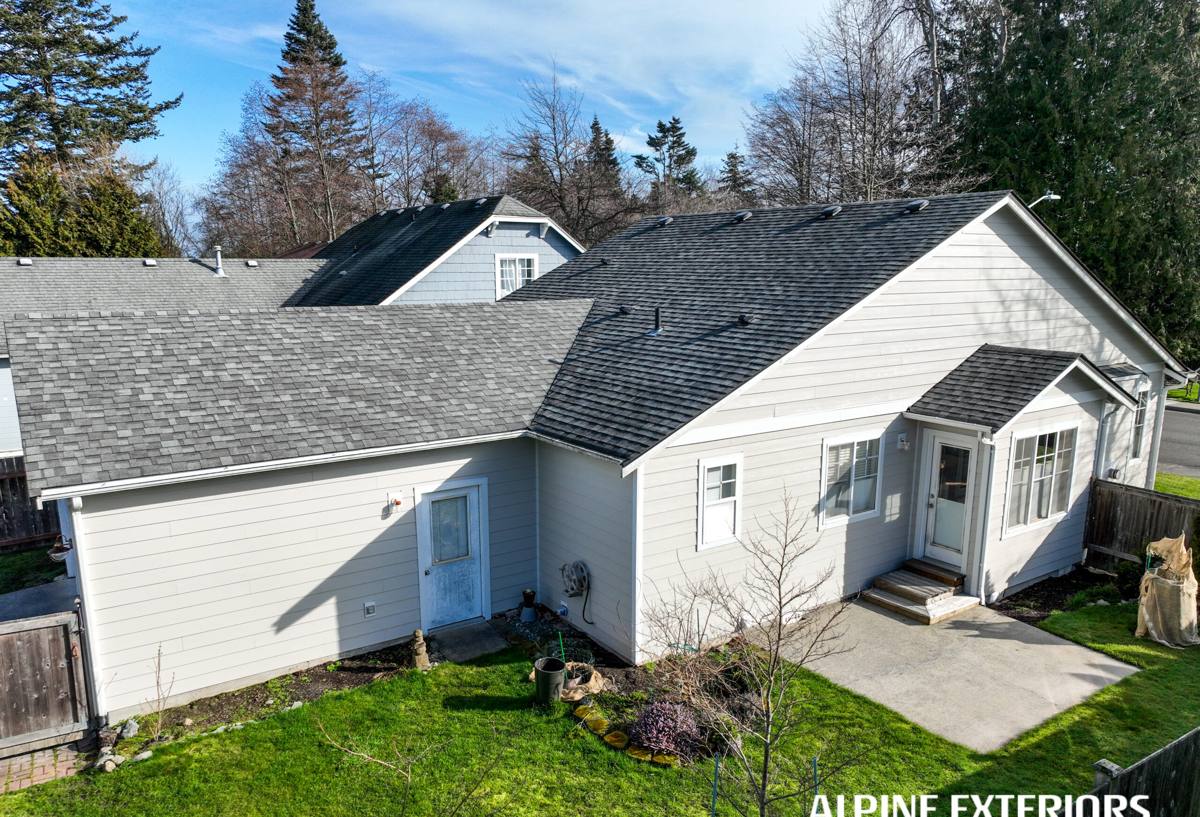
What This Means for Kenwood's Bungalow-Era Homes
A lot of Kenwood's housing stock predates modern building codes. That's part of the charm, but it also means the wall assemblies behind the siding weren't built with today's wind and moisture standards in mind. When we work on a home in a district like this, the siding decision is tied to a few other realities:
- Original wood siding, if it's still there, has usually been through multiple paint cycles and may have hidden rot at butt joints, sills, and anywhere moisture has repeatedly gotten behind it.
- Additions and porch enclosures from different decades often have mismatched substrate, sheathing, or siding profiles that need to be sorted out before new material goes on.
- Historic character matters to Kenwood homeowners — the goal usually isn't to make the house look different, it's to make it perform better while keeping the same silhouette, trim proportions, and reveal.
- Code and permitting in Pinellas County apply regardless of the home's age, and a full siding replacement is the right time to correct any water-management issues in the wall assembly, not just cover them up.
Why We Install Only James Hardie Fiber Cement
Our company made a decision to install James Hardie fiber cement siding exclusively — not vinyl, not LP SmartSide, not primed wood, not other fiber cement brands like Allura or Cemplank. That's a deliberate standard, and it's worth explaining why, especially for a neighborhood like Kenwood where the material has to do double duty: perform in this climate and respect the house's character.
Non-Combustible Material
Fiber cement is made from cement, sand, and cellulose fiber — it doesn't burn, char, or contribute fuel to a fire the way wood siding or some engineered wood products can. For older homes with tight setbacks between houses, that's a real safety consideration, not just a marketing point.
Built for Florida's Climate Specifically
James Hardie engineers a version of its product specifically for Gulf Coast and Southeast humidity and moisture exposure — the HZ5 product line — rather than selling one national formulation everywhere. That matters in a climate that cycles between intense heat, humidity, and wind-driven rain the way St. Petersburg does.
ColorPlus Factory Finish
Instead of field-applied paint that starts degrading under Florida UV almost immediately, Hardie's ColorPlus finish is baked on at the factory in multiple coats, under controlled conditions. It holds color and resists fading far longer than site-applied paint, which is a meaningful difference in a market where UV exposure is a daily fact of life, not a seasonal one.
Dimensional Stability
Wood siding expands, contracts, and eventually cups or warps with humidity swings. Vinyl can soften, buckle, or become brittle with heat and cold cycling. Fiber cement holds its shape far more consistently, which means fewer callbacks for separated joints, popped fasteners, or warped boards — problems we see often on older wood and vinyl siding throughout Kenwood.
A Real Warranty Backing the Work
James Hardie backs its siding with a substantial, transferable limited warranty — a meaningful factor for a historic district where homes change hands and buyers care about documented recent work. We pair that manufacturer warranty with correct installation to spec, because siding warranties are only as good as the install behind them.
What We Actually Choose Not to Install, and Why
| Material | Where It Falls Short for This Climate |
|---|---|
| Vinyl siding | Can soften, warp, or crack under sustained Florida heat and UV; limited wind ratings compared to fiber cement; color is molded-in and fades over time rather than staying factory-fresh |
| LP SmartSide | An engineered wood product — still wood-based, so it's more moisture-sensitive at cut edges and joints than fiber cement, which matters in a wind-driven-rain climate |
| Primed spruce / cedar | Requires ongoing repainting and caulking to stay protected from UV and moisture; the most maintenance-intensive option in a climate that punishes any gap in that maintenance |
| Other fiber cement brands | May lack a climate-specific product line, factory finish process, or warranty structure comparable to what Hardie offers |
None of these are bad products in every context. They're just trade-offs we're not willing to install our name behind in a coastal, hurricane-exposed market like St. Petersburg — and Kenwood, with its mix of aging substrate and historic character, is exactly the kind of neighborhood where those trade-offs show up fastest.
How a Siding Project Works in a Historic Neighborhood
Every project on an older Kenwood home starts with an honest look at what's underneath the existing siding, not just the surface. Here's roughly how it goes:
- Inspection and assessment. We check for rot, moisture intrusion, and substrate condition, and we're upfront about what we find — including anything that needs to be addressed before new siding goes on.
- Water management plan. Proper house wrap, flashing at windows and doors, and correct lapping details matter more than the siding material itself when it comes to keeping wind-driven rain out of the wall assembly.
- Matching trim and reveal. On a historic-character home, we pay attention to matching board width, reveal, and trim profile so the finished house still reads as a Kenwood bungalow, not a generic remodel.
- Installation to manufacturer spec. Correct fastening patterns, clearances, and caulking are what make the wind rating and warranty actually mean something — cutting corners here is where most siding failures start.
- Final inspection and cleanup. We walk the job before we call it done, and we handle the permitting and inspection process required by the county and city.
Signs Your Kenwood Home's Siding Needs Attention
- Soft or spongy spots when you press on wood siding, especially near the bottom edges, window sills, or porch connections
- Paint that's peeling, bubbling, or failing faster than it used to, which often signals moisture trapped behind the surface
- Visible warping, cupping, or gaps opening up between boards
- Cracked or brittle vinyl panels, particularly on south- and west-facing walls that take the most sun
- Rising energy bills, which can point to a wall assembly that's no longer sealing the way it should
- Visible fastener corrosion or staining, a common sign of salt-air exposure over time
Beyond Siding: Roofing, Windows, and Decks
Siding is rarely the only exterior system showing its age on a historic home. We also handle roofing, window replacement, and decks, and on older Kenwood homes these often need attention around the same time — a roof nearing the end of its service life, single-pane or aging windows that leak air and let UV fade interiors, or a wood deck or porch structure that's dealt with the same wind and moisture exposure as the siding. Looking at the whole exterior together, rather than one system at a time, usually leads to a more coordinated and cost-effective plan.
Why a Local Crew Matters Here
Working in Historic Kenwood means understanding both the building science and the neighborhood. A crew that's done projects throughout St. Petersburg and Pinellas County knows what Hardie product lines and profiles pair well with bungalow-era trim, understands the local permitting process, and has actually seen how wind, salt air, and UV affect homes on this side of the bay over time — not just in a training manual. That local experience shows up in the details: how flashing is handled around original window openings, how trim is matched, and how the finished product respects the look of the block.
If you're weighing siding options for a home in Historic Kenwood, we're happy to take a look, walk you through what we find, and give you a straightforward, no-pressure estimate — with no obligation to move forward. Use the form below to get started.