 St. Petersburg Siding
 A Historic Neighborhood With a Modern Exterior Problem
Old Northeast is one of St. Petersburg's most recognizable neighborhoods — a mix of early-1900s bungalows, Mediterranean Revival homes, and mid-century construction shaded by a mature tree canopy, sitting just blocks from Tampa Bay. That proximity to the water is part of what makes the neighborhood beautiful, and it's also exactly what makes the exteriors of these homes work harder than almost anywhere else in Pinellas County. Salt-laden air moves in off the bay daily, humidity sits high for most of the year, and the same brick streets and oak-lined blocks that give the neighborhood its charm also trap moisture and shade siding in ways that slow drying after every rain.
We work on homes throughout St. Petersburg, and Old Northeast comes with its own specific set of exterior challenges — different from the newer subdivisions further inland. This page covers what we see most often on siding, trim, and exterior work in this neighborhood, and how we approach it.
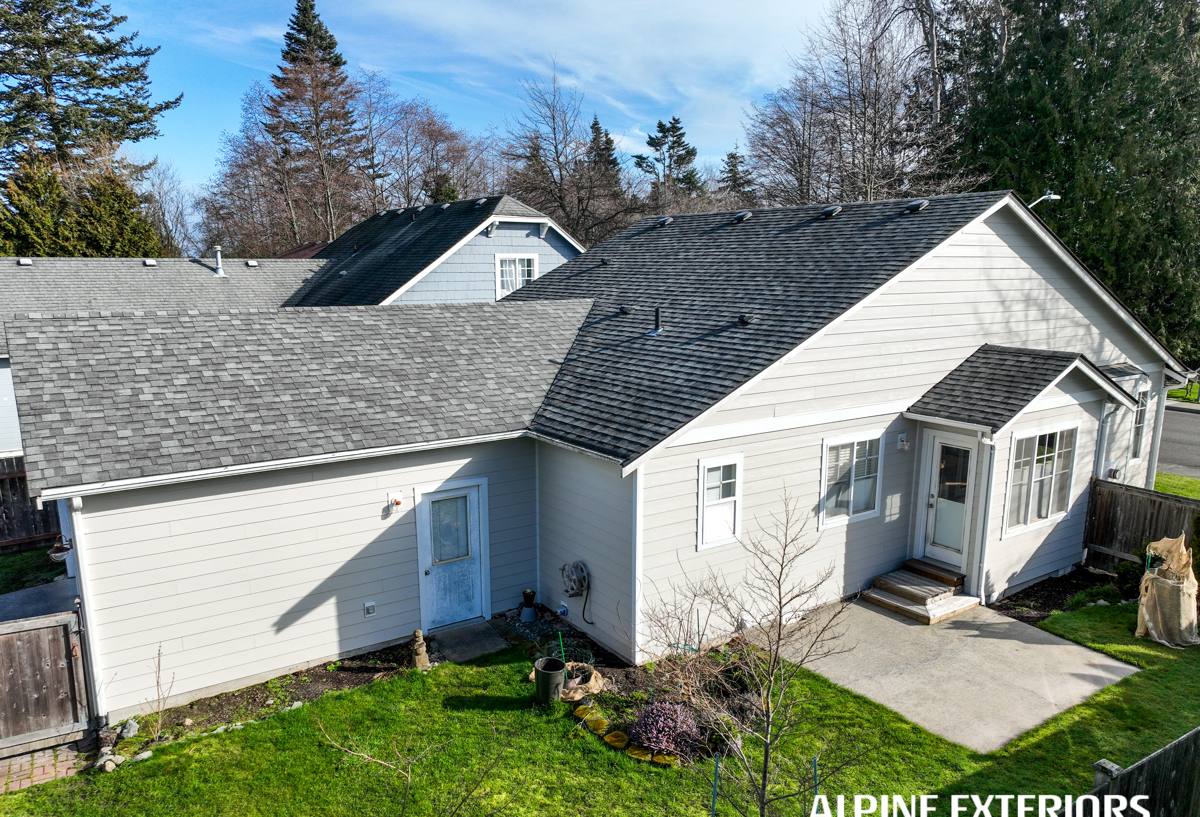
What Old Northeast Homes Are Up Against
Salt Air and Corrosion
Even a few blocks off the water, salt-laden humidity settles into siding, fasteners, and trim year-round. Over time it accelerates corrosion in metal components and breaks down paint film and caulk faster than it would inland. Homes closer to the bay-facing side of the neighborhood feel this the most, but it affects the whole area to some degree.
Intense, Year-Round UV
Florida sun doesn't take a season off. UV exposure breaks down pigments and resins in paint and lower-grade siding materials, which is why homes here often show fading, chalking, or a dull, weathered look well before the material itself has failed structurally. South- and west-facing walls generally show it first.
Wind-Driven Rain and Humidity
Pinellas County sees frequent summer thunderstorms and, in season, the possibility of tropical systems bringing sustained wind-driven rain. Rain that gets forced sideways into seams, laps, and trim joints is a very different stress than rain that simply falls straight down — it finds gaps that would otherwise stay dry. Combined with the area's humidity, anything that traps moisture against wood or absorbs water directly is at a real disadvantage.
Tree Canopy and Shade
The oak canopy that makes Old Northeast's streets so pleasant also means many homes have siding that stays shaded and damp longer after a storm than a home in full sun would. Slower drying time is one of the biggest hidden contributors to rot, mildew staining, and paint failure on older siding in this neighborhood.
What This Means for Older Siding and Trim
A lot of the original siding and trim on Old Northeast's older homes is wood, or a wood-adjacent product installed decades ago. Wood siding can look great and suit the historic character of the neighborhood, but it also needs consistent repainting, caulking, and inspection to keep moisture out — maintenance that's easy to fall behind on, especially on homes with multiple stories or detailed trim. Once water gets behind wood siding in a humid, shaded environment, rot can progress before it's visible from the ground.
We also see homes here with vinyl siding installed at some point as a lower-cost update. Vinyl can soften and warp under sustained heat and intense UV, and in a storm-prone coastal area it's more vulnerable to wind damage than heavier materials — problems that show up gradually as fading, buckling, or cracked panels rather than all at once.
Why We Only Install James Hardie Fiber Cement
We made a deliberate decision as a company to install James Hardie fiber cement siding exclusively — not vinyl, not LP SmartSide, not primed spruce or cedar, and not other fiber cement brands. That's not a marketing position, it's a practical one based on what holds up in a climate like Pinellas County's:
- Fiber cement is non-combustible, which matters for insurance and fire safety and isn't something vinyl or wood-based products can claim.
- Hardie's ColorPlus factory-applied finish is baked on under controlled conditions, so it resists the fading and chalking that intense Florida UV causes in field-painted materials.
- Hardie's HZ5 product line is engineered specifically for hot, humid climates like ours, with moisture and pest resistance built into the product rather than relying on paint alone.
- It doesn't rot, and it isn't a food source for the wood-boring pests that are common in shaded, humid neighborhoods with mature trees.
- The warranty is transferable, which matters in a neighborhood where homes change hands and buyers want documented protection on a major exterior investment.
We're upfront that other products have real advantages in certain situations — vinyl is inexpensive, wood has an undeniable traditional look, LP SmartSide is lighter to handle. But for a coastal Pinellas County home that has to deal with salt air, UV, wind-driven rain, and heavy humidity all at once, we've found fiber cement installed correctly is what actually holds up over the long run, and it's the only thing we're willing to put our name behind.
Matching Hardie to Old Northeast's Character
One question we get from homeowners in this neighborhood specifically: does Hardie siding fit a historic-style home, or does it look out of place? In our experience it fits well when the profile is chosen thoughtfully. Hardie makes lap siding in multiple exposure widths, board-and-batten profiles for Mediterranean and bungalow-style facades, and a wide range of trim options that can replicate the look of traditional wood detailing without the maintenance burden. ColorPlus finishes come in a range of colors that can be matched to the tones common in the neighborhood, and because the color is factory-applied, it holds its look far longer than a repaint would.
We treat every Old Northeast project as its own design problem — matching reveal, trim profile, and corner detailing to the home's existing style rather than defaulting to a generic modern look.
Comparing Siding Options for This Climate
| Material | Moisture/rot resistance | UV/fade resistance | Wind performance | Maintenance |
|---|---|---|---|---|
| James Hardie fiber cement | High — engineered HZ5 line | High — factory ColorPlus finish | Strong when installed to spec | Low |
| Vinyl siding | Moderate — can trap moisture behind panels | Moderate — fades and chalks over time | Weaker in high wind, can crack or blow off | Low, but limited lifespan |
| Wood / cedar | Low without diligent upkeep | Low — field paint fades faster | Moderate | High — regular painting/caulking |
| LP SmartSide / engineered wood | Moderate — sensitive to installation and sealing | Moderate | Moderate | Moderate |
The Whole Exterior Envelope: Roofing, Windows, and Decks
Siding is only part of what protects an Old Northeast home from this climate. We also handle roofing, windows, and decks, because these systems all work together — a roof that's shedding wind-driven rain properly, windows that are sealed and flashed correctly, and siding that resists moisture all reduce the load on each other. A new siding job on a home with a failing roof or poorly sealed windows is a short-term fix; water finds the weakest point regardless of how good the siding is. When we assess a home in this neighborhood, we look at the exterior as one connected system rather than a list of separate projects.
Decks in Old Northeast face their own version of the same problem — full sun exposure on top, shade and moisture underneath from the tree canopy, and salt air degrading fasteners and hardware over time. We build and repair decks with materials and fastening chosen for that combination, not generic inland conditions.
What to Look for in a Contractor in This Neighborhood
Old Northeast has a mix of older homes and homes that have already been through one or more renovations, so a contractor working here needs to understand both historic construction details and current Florida Building Code wind and moisture requirements. Before hiring anyone for siding, roofing, window, or deck work in this neighborhood, it's worth confirming:
- They're licensed and insured to work in Pinellas County, and can provide proof without hesitation.
- They can explain, specifically, how their materials and installation method perform in coastal, high-humidity conditions — not just a generic sales pitch.
- They inspect and address the substrate and water management details (flashing, house wrap, fastening) rather than just installing new material over existing problems.
- They provide a written scope and warranty information before work starts, including what's covered and for how long.
- They have experience working on the style of home you own, whether that's a historic bungalow or a more recently built property.
Our Approach as a Local Crew
Being local to the St. Petersburg area means we see how these homes actually perform over years, not just at the moment of installation. That informs the decisions we make on-site — how we detail flashing around windows and doors, how we handle transitions at rooflines, and why we don't cut corners on the water-resistive barrier just to save time. A siding job that looks right on day one but wasn't installed with this climate in mind is a problem waiting to surface during the next big storm season.
If you're weighing a siding, roofing, window, or deck project on a home in Old Northeast, we're happy to take a look and talk through what we're seeing and what your options actually are — no pressure, no generic sales script. Reach out for a free estimate using the form below.