 St. Petersburg Siding
 Old Southeast is one of St. Petersburg's older residential neighborhoods, home to bungalows, Mediterranean Revival houses, and mid-century construction that has weathered decades of Gulf Coast summers. Many of these homes carry real architectural character — deep eaves, wood trim details, front porches — and many also carry the scars of that character's original building materials never being designed for the climate they've had to survive. When it's time to replace siding, re-roof, swap out windows, or rebuild a deck here, the right materials and the right installation matter more than almost anywhere else in Pinellas County.
The Climate Old Southeast Homes Are Up Against
St. Petersburg sits on a peninsula between Tampa Bay and the Gulf of Mexico, and Old Southeast is close enough to open water that salt-laden air is a constant, low-grade stressor on every exterior surface. Add in the four forces every Pinellas County home has to withstand — hurricane-force wind gusts during tropical systems, intense year-round UV that never really takes a season off, wind-driven rain that gets pushed sideways into wall assemblies during storms, and that same salt air working on fasteners, finishes, and seams — and you have a combination that ages cheap or aging materials fast.
Older homes in this neighborhood often still have original wood siding, or a past owner's vinyl or budget fiber cement retrofit that was never detailed correctly for Florida's climate. Wood siding that hasn't been repainted on schedule checks and cups. Vinyl chalks, warps, and can pull loose in high wind. Any siding installed without correct flashing and clearances lets wind-driven rain behind the cladding, where it doesn't dry out — it just sits against old wood sheathing and does damage you don't see until it's expensive.
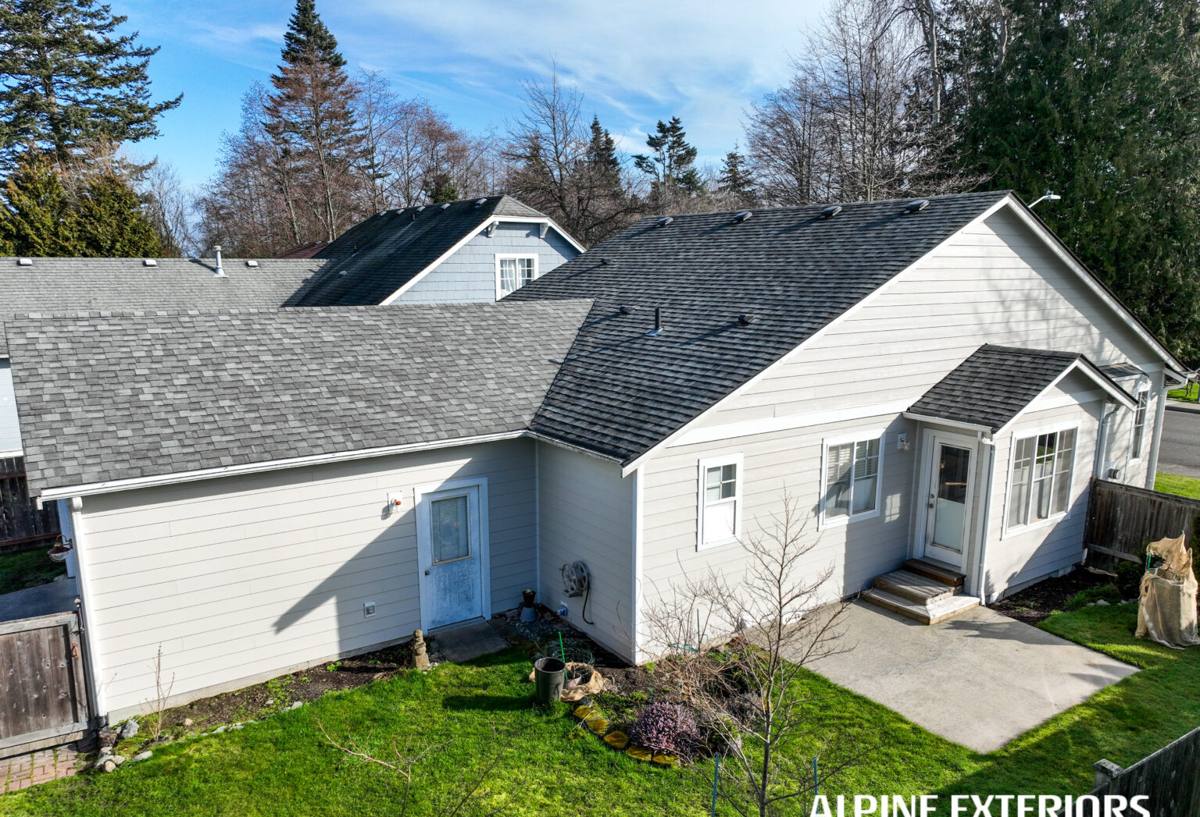
What We See on Older Homes in This Area
Because Old Southeast has a higher share of pre-1980s construction than newer St. Petersburg subdivisions, our crews tend to run into a specific set of conditions here:
- Original wood lap siding with decades of paint buildup, some of it failing at the laps and butt joints
- Additions or past remodels where the siding material or profile doesn't match the original house
- Older window units that were never properly flashed into the wall assembly, contributing to moisture entry at the trim
- Roofs and fascia showing UV and wind wear consistent with their age, sometimes past a reasonable service life
- Decks and porch structures built with materials or fasteners that have corroded faster than expected due to salt air
None of that is unusual for a neighborhood this age this close to the water. It just means the exterior work has to be done with an understanding of what's underneath, not just what's on the surface.
Why We Install Only James Hardie Fiber Cement Siding
We made a deliberate decision as a company to install James Hardie fiber cement siding exclusively — not vinyl, not LP SmartSide, not Cemplank, not Allura, not primed spruce or cedar. That's not a marketing position; it's a standard we hold because of what we've seen play out on Gulf Coast homes over years of installs and repairs.
Vinyl siding is inexpensive and low-maintenance in mild climates, but it's a thin plastic product that softens in heat and gets brittle with UV exposure over time, and it has real limits in sustained high wind. Engineered wood products like LP SmartSide perform well in many parts of the country, but any wood-based substrate depends heavily on flawless caulking, flashing, and paint maintenance to keep moisture out — miss a maintenance cycle in a humid, salt-air environment and you're inviting swelling and rot at the edges. Other fiber cement brands compete reasonably on paper, but James Hardie's HardieZone system is engineered specifically for climate zones like ours, with formulations built to resist moisture and UV in humid coastal conditions, backed by a factory-applied ColorPlus finish and a strong transferable warranty.
Fiber cement is also non-combustible, which matters in a state where wildfire and lightning-strike risk exist alongside hurricane risk. We'd rather install one product exceptionally well, understand its behavior in every wall condition we run into, and stand behind it — than spread our expertise thin across several products with different failure modes.
How the Common Choices Stack Up
| Material | Wind & Storm Performance | Moisture Behavior in Humid Climate | Maintenance Burden |
|---|---|---|---|
| Vinyl siding | Can crack, warp, or blow off in sustained high wind | Doesn't rot, but traps moisture behind it if installed poorly | Low, but limited lifespan in intense UV |
| LP SmartSide / engineered wood | Good when installed to spec | Vulnerable at cut edges and joints if not sealed and maintained | Requires disciplined recaulking and repainting |
| Primed spruce / cedar | Moderate; depends on fastening | Prone to moisture absorption, cupping, and rot near coast | High — regular repainting is non-negotiable |
| James Hardie fiber cement | Engineered and rated for high-wind installation | Resists moisture and won't rot; ColorPlus finish holds up to salt air and UV | Low — no repainting cycle required with ColorPlus |
More Than Siding: Roofing, Windows, and Decks
Siding is only one piece of a home's exterior envelope, and in a neighborhood with this much older housing stock, it rarely makes sense to look at siding in isolation. We handle roofing, windows, and decks as well, because a home's weak points often show up at the transitions between these systems — where roofline meets wall, where window trim meets siding, where a deck ledger board attaches to the house.
Roofing
Roofs in this part of Pinellas County take a beating from UV degradation and wind uplift during storm season. When we're already on-site for siding work, we can flag roofing wear that's affecting the wall assembly below it — a leaking valley or worn flashing can be the real source of siding damage that looks like a siding problem but isn't.
Windows
Older homes in Old Southeast often have original or early-replacement windows that were installed without modern flashing details. When we replace siding around existing windows, we check that flashing and trim are sealing correctly before the new siding goes up — closing a gap now is far cheaper than finding rot behind new siding in five years.
Decks
Outdoor living spaces here take direct sun and salt air exposure with almost no relief. We build and repair decks with fasteners and materials chosen for that exposure, not generic hardware store hardware that corrodes faster than the structure around it.
Working Around Historic Character
Homes in established St. Petersburg neighborhoods like Old Southeast often carry architectural details worth preserving — trim profiles, porch columns, eave depth — even when the underlying siding material needs to be replaced. James Hardie's lap, shingle, and panel profiles come in a range of widths and exposures that can be matched to traditional siding reveals, so a home can get a durable, storm-ready exterior without losing the look that gives it curb appeal. If your property falls within a local historic district or has any deed-based architectural review requirement, we'll talk through what that means for material choice and profile before any work starts — it's better to confirm than to assume.
What Correct Installation Actually Involves
Fiber cement siding performs the way it's rated to perform only when it's installed to manufacturer spec, and that matters even more in a hurricane-exposed coastal zone. Correct installation isn't just nailing boards to a wall — it includes:
- Proper starter strip and clearance from grade, roofing, and decking to prevent wicking moisture
- Correct fastener type, spacing, and embedment for the wind exposure rating of the home's location
- Flashing at every window, door, and penetration, integrated with the home's water-resistive barrier
- Caulking only where Hardie's install guide calls for it — over-caulking can trap moisture rather than shed it
- Field-cut edges sealed per manufacturer instructions to protect the factory finish
Skipping any of these steps is how a good product ends up with a bad reputation. It's also why the installer matters at least as much as the material.
Why a Local Crew Matters Here
A contractor working across Pinellas County day in and day out sees how homes in specific neighborhoods actually age — which older subdivisions have moisture issues at certain wall assemblies, which streets sit closer to salt spray, which permitting offices need what documentation. That local pattern recognition is hard to replicate with a crew that isn't regularly in St. Petersburg's older neighborhoods. It also means someone is accountable and reachable after the job is done, not just after the invoice is paid.
Get a Straightforward Estimate
If you're weighing siding, roofing, window, or deck work on a home in Old Southeast, we're happy to take a look and give you an honest read on condition and options — no pressure, no upsell script. Request a free estimate using the form below and we'll go from there.