 St. Petersburg Siding
 Siding in Disston Heights: Built for the Neighborhood's Climate Reality
Disston Heights is one of St. Petersburg's older, established residential pockets — a mix of mid-century homes and newer renovations sitting on mature, tree-lined lots inland from the bay. That inland position doesn't exempt it from what Pinellas County throws at exterior building materials. Homes here still take a beating from year-round UV exposure, wind-driven rain during summer storm season, and salt-laden air that travels farther inland than most homeowners assume. St. Petersburg Siding Co works throughout Disston Heights installing exterior systems that are actually engineered for this environment, not just adapted to survive it.
Whether you're dealing with siding that's failed after a couple decades in the Florida sun, planning ahead of hurricane season, or simply updating a home's exterior before resale, the products and installation approach matter more here than in milder climates. This page covers what we see on Disston Heights homes, how we approach siding replacement in this specific area, and why we've standardized on one material system instead of offering the full menu of options most contractors sell.
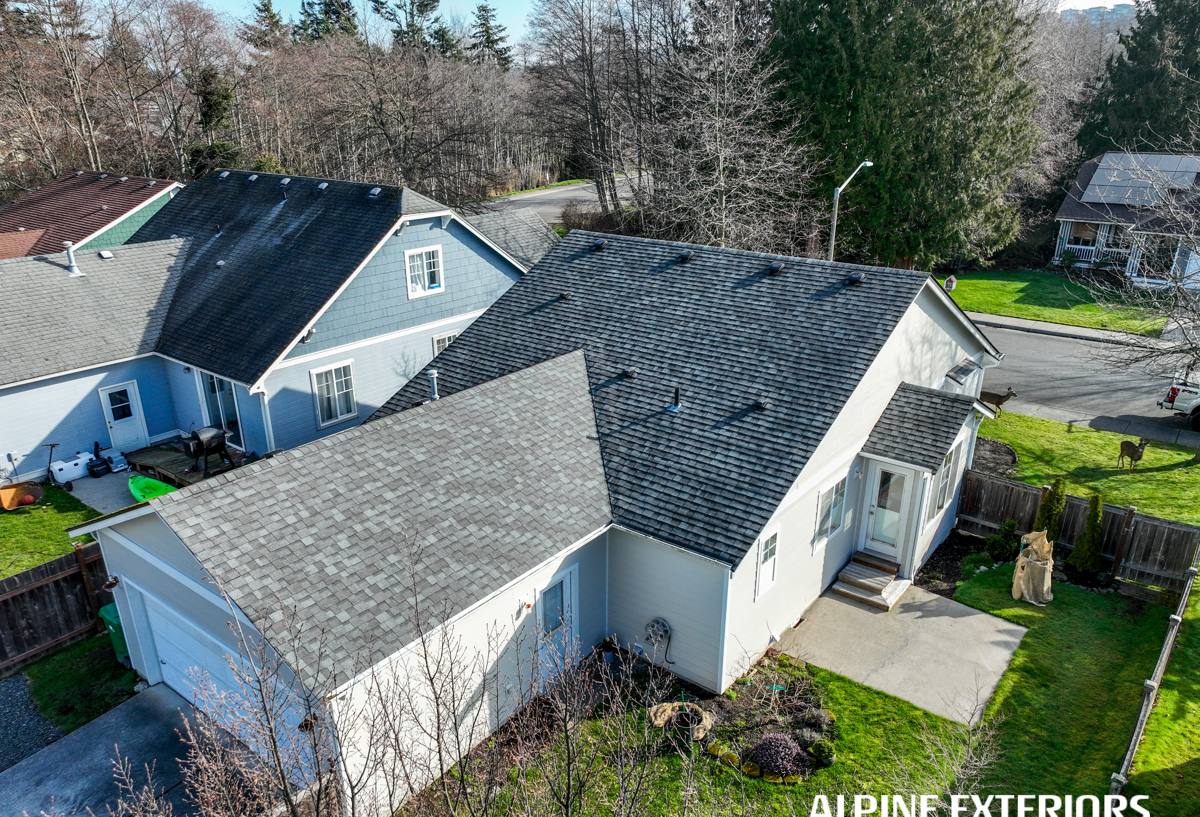
What Disston Heights Homes Face Year-Round
UV and Heat Cycling
Florida sun is relentless, and it doesn't take a break in the winter the way it does farther north. Siding materials that rely on field-applied paint — whether that's older wood siding or newer products painted after installation — go through constant expansion and contraction cycles under UV load. Over years, that cycling breaks down paint adhesion, leading to chalking, fading, and eventually peeling that exposes the substrate underneath.
Wind-Driven Rain
Pinellas County's storm pattern means rain rarely falls straight down. Wind pushes it sideways into wall assemblies, testing every seam, joint, and piece of flashing on a home's exterior. Materials that absorb moisture — or siding installed without proper water-management detailing behind it — are where rot and hidden damage start, often long before anything is visible from the street.
Salt Air
Disston Heights sits inland relative to the immediate coastline, but salt air in this region isn't confined to waterfront properties. It travels on prevailing winds and settles on exterior surfaces across the metro area, accelerating corrosion on fasteners, trim, and any material not built to resist it. Over time this shows up as pitting, discoloration, and premature hardware failure even on homes several miles from open water.
Humidity and Moisture Load
Combine near-constant humidity with the region's rain volume and you get a climate where any siding material with a weak moisture profile is working against itself from day one. This is the underlying reason so many exterior replacement calls in this area involve siding that looks fine from the curb but is compromised underneath.
Why We Only Install James Hardie Fiber Cement
St. Petersburg Siding Co made a deliberate decision to install exclusively James Hardie fiber cement siding. We don't offer vinyl, LP SmartSide, Cemplank, Allura, or primed wood species like spruce or cedar. That's not a marketing angle — it's the result of years of installing and repairing exterior products across Pinellas County and seeing which materials actually hold up to this specific climate versus which ones require homeowners to fight an uphill maintenance battle.
Fiber cement is a composite of cement, sand, and cellulose fibers, engineered specifically to resist the combination of moisture, heat, and UV that defines Gulf Coast Florida. James Hardie in particular manufactures HZ5 products formulated for high-humidity, hurricane-exposed climates like ours, with a factory-applied ColorPlus finish that's baked on and warranted separately from the substrate — which matters enormously in an environment where field-applied paint fails faster than it does almost anywhere else in the country.
We go into more detail on why we've moved away from vinyl and engineered wood products on our other educational pages. The short version: those materials each have real strengths, but their weak points — moisture sensitivity, seam and joint vulnerability, or field-finish dependency — line up almost exactly with what this climate is hardest on.
Comparing Common Siding Materials for This Climate
| Material | Moisture Behavior | Finish Durability in FL Sun | Our Position |
|---|---|---|---|
| James Hardie Fiber Cement | Non-combustible, engineered moisture resistance, HZ5 climate-rated | Factory ColorPlus finish, separately warranted | What we install |
| Vinyl Siding | Doesn't rot, but can warp/distort under sustained heat | Color baked into material but fades and can become brittle over decades of UV | Not installed |
| LP SmartSide / Engineered Wood | Treated wood strand product; moisture intrusion at cut edges and seams is the main risk | Field or factory finish depending on product; edge sealing is critical | Not installed |
| Primed Wood (Cedar, Spruce) | Natural wood, most moisture-sensitive option; needs consistent upkeep | Requires regular repainting/resealing in this climate | Not installed |
How We Approach a Siding Project in Disston Heights
Assessment First
Every project starts with a walk of the home's exterior to evaluate current siding condition, look for signs of moisture intrusion behind existing material, and check trim, fascia, and soffit areas that often show damage before the siding field does. Older Disston Heights homes sometimes have layered exterior history — additions, prior repairs, or siding installed over original material — and we account for that in the assessment rather than assuming a clean, single-layer tear-off.
Water Management Behind the Siding
Given how much wind-driven rain this area sees, what happens behind the siding matters as much as the siding itself. Correct installation means proper weather-resistant barrier, flashing at every penetration and transition, and manufacturer-specified fastening and clearances. This is where a lot of siding failures in Florida actually originate — not from the material choice, but from installation shortcuts that let water get behind the system.
Product Selection Within the Hardie Line
James Hardie offers several profiles — lap siding, board and batten, shingle-style panels — and a range of ColorPlus finishes. We help homeowners choose a profile and color that fits the home's style and the neighborhood's character, whether that's a mid-century ranch aesthetic or a more updated look for a renovated property.
Coordinated Exterior Work
We also handle roofing, windows, and decks, which matters when a siding project overlaps with other exterior needs. If a roof is nearing the end of its service life or window flashing is contributing to moisture problems at the wall line, addressing it as part of the same project avoids redoing work later and gives us one point of accountability for how everything ties together.
What to Check Before Hiring for Siding Work
- Does the contractor carry current Florida licensing and insurance, and will they provide proof without being asked twice?
- Are they installing to the manufacturer's specific installation requirements, including fastener type, clearances, and flashing details — not just "similar to code"?
- Do they explain what's happening behind the siding (water-resistant barrier, flashing) or only talk about the visible finish?
- Can they speak specifically to why they recommend one material over another for this climate, rather than offering whatever has the best margin?
- Do they provide a written scope and manufacturer warranty documentation, not just a verbal estimate?
- Are they familiar with the older housing stock common in established St. Petersburg neighborhoods like Disston Heights?
Why a Local Crew Matters Here
Siding installation isn't identical everywhere. A crew that mostly works in drier, milder climates can install a technically correct system that still underperforms in Pinellas County because the water-management detailing wasn't built with our storm pattern in mind. Working throughout the St. Petersburg area day to day means we see how specific materials and installation methods actually perform after a few Florida summers and a few named storms — not just how they look on install day.
That local track record also shapes how we talk to homeowners about tradeoffs. We're not choosing James Hardie because it's the only product on the market — we're choosing it because, across the range of siding materials we've installed and repaired in this climate, it's the one that holds up with the least amount of ongoing maintenance and the fewest moisture-related callbacks.
Maintenance Expectations After Installation
Fiber cement siding is lower-maintenance than wood or many engineered products, but "low-maintenance" doesn't mean zero-maintenance in a climate like this. A periodic rinse to remove salt residue and airborne debris, a visual check of caulking at trim and penetrations after storm season, and prompt attention to any impact damage will keep a Hardie system performing for the long haul. We walk every homeowner through what to expect and what's normal versus what warrants a call.
Get a Straightforward Estimate
If your Disston Heights home's siding is showing its age, or you're planning ahead before the next storm season, we're happy to take a look and give you an honest read on condition and options. Reach out for a free, no-pressure estimate — the form below gets you started.