 St. Petersburg Siding
 Roser Park's Older Homes Face a Different Set of Problems
Roser Park is one of St. Petersburg's older, more established neighborhoods, and that history shows up on the exterior of its homes. Many houses here were built decades before modern building codes accounted for the kind of wind loads, moisture cycling, and UV exposure that Pinellas County sees today. That means a lot of the siding, trim, and fascia in this part of town is either original material that has been patched and repainted for years, or a replacement product that was never really engineered for Florida's climate in the first place.
We work on a lot of homes in and around this neighborhood, and the pattern is consistent: cracked or delaminating panels on the sides that take the most afternoon sun, soft trim boards where roof runoff or sprinklers keep wood damp, and paint that fails on a shorter cycle than it should. None of that is a reflection on the homeowners — it's what happens when a house sits in a subtropical, storm-exposed climate for 40, 60, or 80 years without an exterior system built for it.
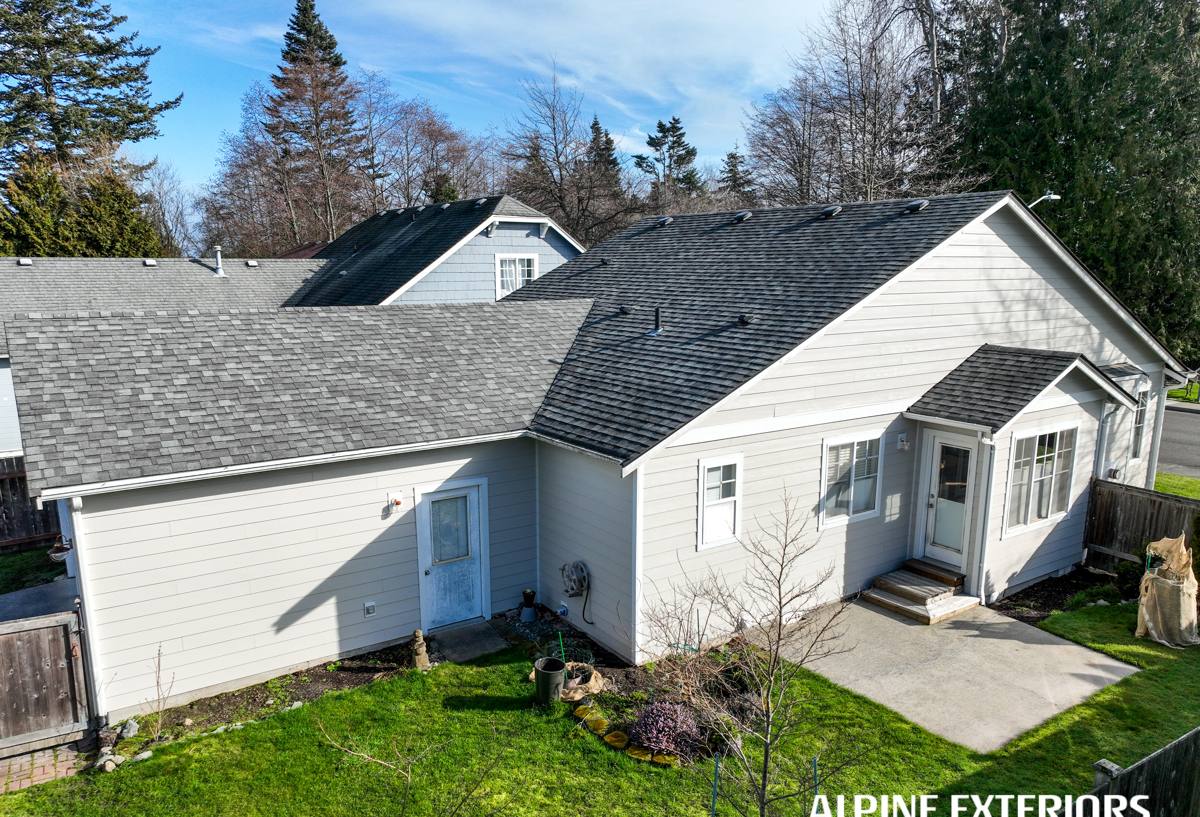
What St. Petersburg's Climate Actually Does to a House
Wind
St. Petersburg sits on a peninsula in a hurricane-prone part of the country, and even in years without a direct hit, tropical systems and seasonal storms push sustained winds and gusts against every exterior surface. Siding that isn't rated for those loads, or isn't fastened correctly, is the first thing to show damage — cracked panels, popped fasteners, and lifted edges that let water in behind the material.
UV Exposure
Florida gets intense, direct sun essentially year-round. UV breaks down pigments and resins in lower-grade siding and paint finishes, which is why so many homes need repainting on a 3-5 year cycle instead of holding color for a decade or more. Fading and chalking are UV damage, not just "old paint."
Wind-Driven Rain
It isn't just how much rain St. Petersburg gets — it's how that rain arrives. Wind-driven rain gets forced sideways and upward into laps, seams, and trim joints that would stay dry in a calmer climate. Over time, that's how moisture gets behind siding that looks fine from the street.
Salt Air
Being close to Tampa Bay and the Gulf means salt-laden air reaches homes well inland from the immediate waterfront. Salt accelerates corrosion of fasteners and metal components and can work its way into porous or poorly sealed materials over years of exposure.
Put those four factors together — wind, sun, rain, and salt — and you get a climate that is genuinely hard on a house. Roser Park's mix of older bungalows and mid-century homes means a lot of properties here are due for an honest look at what's actually protecting them.
Why We Install Only James Hardie Fiber Cement
We made a deliberate decision as a company to install James Hardie fiber cement siding exclusively. We don't install vinyl, LP SmartSide, Cemplank, Allura, or primed spruce or cedar siding, and we think homeowners deserve to understand why before they pick a product.
Vinyl is inexpensive and low-maintenance in mild climates, but it's a petroleum-based product that can soften, warp, or crack under the combination of intense heat and high wind that St. Petersburg sees, and it offers little resistance to wind-driven rain intrusion at the seams. Wood siding — cedar or primed spruce — has real curb appeal, but it's a moisture magnet in a humid climate, and keeping it painted and sealed on the cycle Florida demands is a real, recurring cost. Engineered wood products like LP SmartSide perform better than raw wood in some respects but still rely on a resin-treated wood substrate, which behaves differently under sustained humidity than a cement-based product. Other fiber cement brands, like Cemplank and Allura, are legitimate products, but we standardized on one manufacturer so we can guarantee installation detail, warranty support, and color-match consistency across every job.
James Hardie fiber cement is non-combustible, dimensionally stable in heat and humidity, and available in HZ5 formulations engineered specifically for high-humidity, storm-prone climates like Florida's. The factory-applied ColorPlus finish is baked on and warrantied against fading, which matters enormously in a market where UV is this aggressive. It's backed by a strong transferable limited warranty, which protects the investment if you sell the home. It isn't the cheapest siding on the market, and we're upfront about that — but it's the product we're willing to put our name behind for a house that has to survive St. Petersburg summers, storm seasons, and salt air for decades, not years.
Siding, Roofing, Windows, and Decks — One Contractor for the Whole Exterior
Siding is rarely the only thing that needs attention on an older Roser Park home. Roofs, windows, and decks all take the same wind, sun, rain, and salt exposure, and they all fail on roughly the same timeline for the same reasons. We handle all four so a homeowner isn't coordinating separate crews and separate warranties for work that touches the same exterior envelope.
- Siding: James Hardie plank, panel, and trim systems, installed to manufacturer spec for proper flashing, fastening, and clearance.
- Roofing: Repairs and full replacements built to handle Pinellas County wind requirements and heavy seasonal rain.
- Windows: Impact-rated and energy-efficient replacement windows that seal properly against wind-driven rain.
- Decks: Exterior decking built to hold up to sun, humidity, and rain cycling without the constant upkeep of raw wood.
When these systems are installed together with attention to how water and air actually move around a house, the whole exterior performs better than the sum of its parts.
What Working With a Local Crew Looks Like
A neighborhood like Roser Park has its own character — older lot sizes, mature tree canopy, homes set closer to the street than newer subdivisions, and a mix of architectural styles that isn't uniform block to block. A crew that works this area regularly understands things that matter on the job: how to protect landscaping and hardscaping during tear-off and install, how to work around mature trees and tighter side yards, and how to match trim and reveal details so new siding looks like it belongs on the house rather than like an obvious retrofit.
We also know what a Pinellas County storm season means for scheduling and material staging, and we plan projects with that in mind rather than treating St. Petersburg like a generic job site.
Our Process
- On-site inspection of existing siding, trim, roofline, windows, and any moisture or wind damage.
- Honest assessment of what needs replacement now versus what can wait.
- A written estimate detailing product, scope, and timeline — no pressure, no bait-and-switch pricing.
- Installation to manufacturer specification, including proper flashing and fastening for wind and moisture resistance.
- Final walkthrough and warranty paperwork before we consider the job done.
Comparing Siding Options for a St. Petersburg Home
| Material | Wind/Storm Resistance | Moisture Behavior | Maintenance Cycle | Typical Longevity |
|---|---|---|---|---|
| James Hardie Fiber Cement | Engineered HZ5 lines for high-wind, high-humidity climates | Dimensionally stable, resists moisture-driven warping | Low — factory finish holds color for years | Decades when installed to spec |
| Vinyl | Can warp, crack, or blow off in high winds | Seams vulnerable to wind-driven rain intrusion | Low upfront, but limited repair options when damaged | Variable; shorter in intense heat/wind climates |
| Wood (Cedar/Primed Spruce) | Moderate; fasteners and boards can loosen over time | Absorbs moisture, prone to rot without diligent upkeep | High — frequent repainting/sealing | Shorter without consistent maintenance |
| Engineered Wood (LP SmartSide) | Better than raw wood, but still wood-based substrate | Resin-treated, but sensitive to sustained moisture exposure | Moderate | Depends heavily on installation and upkeep |
Cost Factors to Expect
Every home is different, but a few things reliably move the price of a siding project in Roser Park:
- Square footage and the complexity of the roofline and wall geometry.
- Amount of existing damage — rot, moisture intrusion, or prior repairs that need to be addressed before new siding goes on.
- Trim and detail work, especially on older homes with more architectural detail than a typical modern build.
- Product line and color selection within the James Hardie system.
- Access — mature landscaping, tight side yards, and setback from the street can all affect labor time.
We provide a detailed, itemized estimate before any work begins, so there are no surprises once the crew is on-site.
What to Look for When Hiring an Exterior Contractor
- Proper licensing and insurance for work in Pinellas County.
- Manufacturer training or certification for the specific siding product being installed.
- A written, itemized estimate — not a verbal ballpark.
- Clear explanation of warranty coverage, both material and labor.
- Willingness to explain trade-offs between products honestly, rather than pushing the cheapest option.
- References or examples of similar work in the local area.
If your Roser Park home has siding, roofing, windows, or decking that's showing its age — or you just want an honest read on what condition your exterior is really in — we're happy to take a look. Reach out for a free, no-pressure estimate using the form below.