 St. Petersburg Siding
 Exterior Work in Shore Acres, St. Petersburg
Shore Acres sits close to the water on the northeast side of St. Petersburg, and that location shapes everything about how a home's exterior holds up over time. Canal frontage, open exposure toward Tampa Bay, and a dense tree canopy in parts of the neighborhood all mean homes here take on weather differently than a house ten miles inland. We work throughout Pinellas County, but a waterfront-adjacent neighborhood like Shore Acres gets a different conversation than a subdivision further from the bay — because the siding, roof, windows, and deck decisions that hold up best here aren't always the same ones that work everywhere else.
This page walks through what we see in Shore Acres specifically, how our process adapts to it, and why we've standardized on one siding product rather than offering a menu of options.
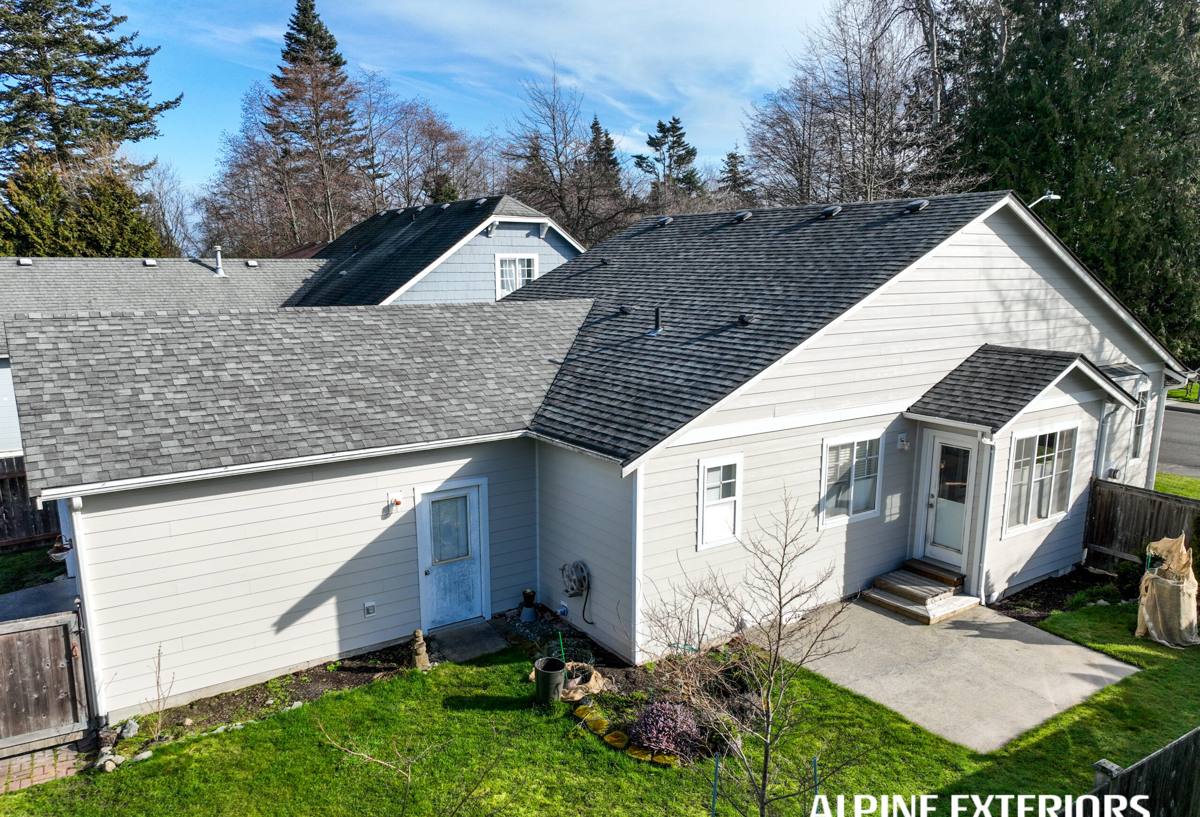
What the Climate Does to a Shore Acres Home
Salt Air and Humidity
Homes closer to open water and canals sit in a more corrosive air environment than homes further inland. Salt-laden moisture in the air accelerates corrosion of fasteners, trim hardware, and any exterior material that isn't built to handle it. It also keeps humidity levels elevated against exterior walls for more of the year, which matters a lot for anything wood-based or wood-composite.
Wind-Driven Rain and Hurricane Exposure
Pinellas County sits in a wind-borne debris region, and a low-lying, water-adjacent neighborhood like Shore Acres feels tropical systems more directly than areas further from the coast. Wind-driven rain during storms doesn't just fall — it gets pushed sideways into seams, laps, and fastener points. Siding and roofing systems that aren't installed with the right overlaps, flashing, and fastening schedule are the ones that fail first in a storm, not because the material itself is bad, but because water found a way in.
Year-Round UV
Florida sun is intense and constant, and it doesn't take a break in winter the way it does further north. UV exposure breaks down paint film, causes fading, and dries out anything with organic material in it — wood trim, cedar, primed spruce siding — faster than most homeowners expect. Products with a baked-on factory finish resist this far better than anything painted on site or in a shop.
Coastal Exposure Factors at a Glance
| Factor | Effect on Exterior Materials |
|---|---|
| Salt air / humidity | Accelerates fastener corrosion, promotes moisture retention in porous materials |
| Wind-driven rain | Forces water into laps and seams not built for lateral pressure |
| Hurricane-force wind | Tests fastening schedule and product wind ratings directly |
| Constant UV | Fades paint, degrades caulking, dries and cracks organic materials |
| Storm surge / flood proximity | Raises the value of moisture-resistant, non-organic materials at grade level |
Why We Only Install James Hardie Fiber Cement Siding
We get asked why we don't offer vinyl, LP SmartSide, or other engineered wood siding products alongside Hardie. The honest answer is that we made a decision a while back to stop installing products we didn't believe would hold up long-term in this climate, and we've stuck with it.
Vinyl siding is inexpensive and easy to install, but it softens and can warp in direct, sustained heat, and it has real limits in high-wind installations unless it's rated and fastened very specifically. Engineered wood products like LP SmartSide use wood strand technology with a resin binder, which performs fine in drier climates but requires strict edge-sealing and maintenance discipline to keep moisture from finding its way into cut ends and seams — a maintenance burden that's less forgiving in a humid, storm-prone coastal environment. Primed spruce and cedar are beautiful but are organic materials that need active homeowner upkeep — repainting, caulking, moisture checks — to avoid rot, especially with the humidity and UV load this area sees.
James Hardie fiber cement is non-combustible, doesn't expand and contract with heat the way vinyl does, and holds a factory-applied ColorPlus finish that's baked on rather than painted after installation, so it resists fading and chipping far longer than field-applied paint. Hardie also engineers specific HZ product lines for different climate zones — the HZ5 line is built for the wind, moisture, and hail exposure that Gulf Coast homes actually face. It's not that other products can't be installed correctly; it's that we'd rather stand behind one product system we trust completely than offer several and hope each one gets installed to spec.
How We Approach a Shore Acres Project
Site Assessment
Every project starts with a walk of the home's exterior — checking existing siding or sheathing condition, looking at trim and window flashing, and noting anything specific to the lot: proximity to the water, tree cover, drainage patterns, and sun exposure on each elevation. A south- or west-facing wall on an open lot near the water takes a different beating than a shaded, tree-covered north wall on the same street.
Moisture and Substrate Check
Before any new siding goes up, we check what's underneath. In a humid coastal environment, hidden moisture damage behind old siding is common enough that we don't skip this step. Replacing siding over a compromised substrate just locks the problem in for another decade.
Installation to Manufacturer Spec
James Hardie's warranty and performance depend on correct installation — proper clearances, fastening patterns, and flashing details matter more here than in a drier, calmer climate, because wind-driven rain finds any shortcut. We install to Hardie's published specifications, not a generalized approach borrowed from a different climate zone.
Final Walkthrough
Once the work is done, we walk the job with the homeowner, point out anything they should know about maintenance, and make sure trim, caulking lines, and paint match are clean before calling it finished.
Beyond Siding: Roofing, Windows, and Decks
Siding is only one piece of a home's exterior envelope, and in a neighborhood like Shore Acres, the roof, windows, and any deck or outdoor structure face the same climate pressures. We handle all four so a homeowner isn't coordinating separate contractors and hoping the details line up at the transitions — which is often where leaks actually start.
- Roofing: the first line of defense against wind uplift and wind-driven rain, and it needs to integrate cleanly with siding and flashing at every wall intersection.
- Windows: impact-rated and properly flashed windows matter for both storm protection and keeping humidity and UV-driven energy loss in check.
- Decks: exposed to the same sun and moisture cycles as siding, and material choice matters just as much for anything built near the water or in a humid backyard.
Coordinating these trades under one crew means the flashing at a window-to-siding transition, or a roof-to-wall intersection, gets treated as one connected system rather than four separate jobs stitched together after the fact.
What Drives Cost on a Project Like This
| Factor | Why It Matters |
|---|---|
| Home size and elevation count | More wall area and more corners/trim details means more material and labor |
| Substrate condition | Rot or moisture damage found underneath old siding adds repair scope |
| Trim and architectural detail | Homes with more custom trim, gables, or accents take more time to finish cleanly |
| Access and lot layout | Waterfront or tight-lot properties can affect staging and equipment access |
| Scope (siding only vs. full exterior) | Bundling siding, roofing, windows, or a deck can reduce redundant setup costs |
We don't quote a project without seeing it — a phone estimate on an exterior job in a coastal neighborhood isn't worth much until someone's actually looked at the substrate and the lot.
What to Look for in a Local Exterior Contractor
Shore Acres homeowners are usually comparing more than one bid, and that's a good instinct. A few things worth checking before signing anything:
- Do they carry current Florida contractor licensing and insurance, and will they provide proof without being asked twice?
- Are they installing the product to the manufacturer's published specifications for this wind zone, or a generic install?
- Do they explain what's happening at the substrate level, not just the finished appearance?
- Can they speak specifically to how their approach handles wind-driven rain and salt air, or is the answer vague?
- Is the warranty backed by the manufacturer, the installer, or both — and what's actually covered?
- Do they work this area regularly, or is this a one-off trip for them?
A crew that works Pinellas County regularly has usually already seen how a given product performs after a storm season or two — that's worth more than a sales pitch.
Living With Hardie Siding After Installation
One reason we like recommending fiber cement to homeowners near the water is how little it asks of them afterward. It doesn't need repainting on the same cycle wood does, it isn't prone to insect damage, and the factory finish holds color well under constant Florida sun. Rinsing off salt residue and checking caulking lines periodically is about the extent of the upkeep — a lighter maintenance load than most of the alternatives we chose not to install.
If you're weighing siding, roofing, window, or deck work on a Shore Acres home, we're happy to come take a look and walk the property with you — no pressure, no obligation. Fill out the form below to get a free estimate.