 St. Petersburg Siding
 Euclid-St. Paul: An Established St. Petersburg Neighborhood Facing Modern Climate Demands
Euclid-St. Paul sits in one of St. Petersburg's older, well-established residential pockets, with a housing stock that spans mid-century bungalows, ranch homes, and newer infill construction sitting side by side. That mix means exterior condition varies block to block — some homes have already been through one or two siding replacements, others are still wearing original materials that were never designed for the kind of weather Pinellas County sees today. Whatever era a home was built in, the exterior cladding is doing the same job: keeping wind-driven rain, UV, humidity, and salt-laden air from working their way into the structure.
We treat every service call in this neighborhood as a local job, not a franchise stop. A crew that works Pinellas County day in and day out knows what a St. Petersburg roofline typically looks like, how the local permitting office wants things documented, and which failure patterns show up again and again on homes exposed to this specific coastal climate.
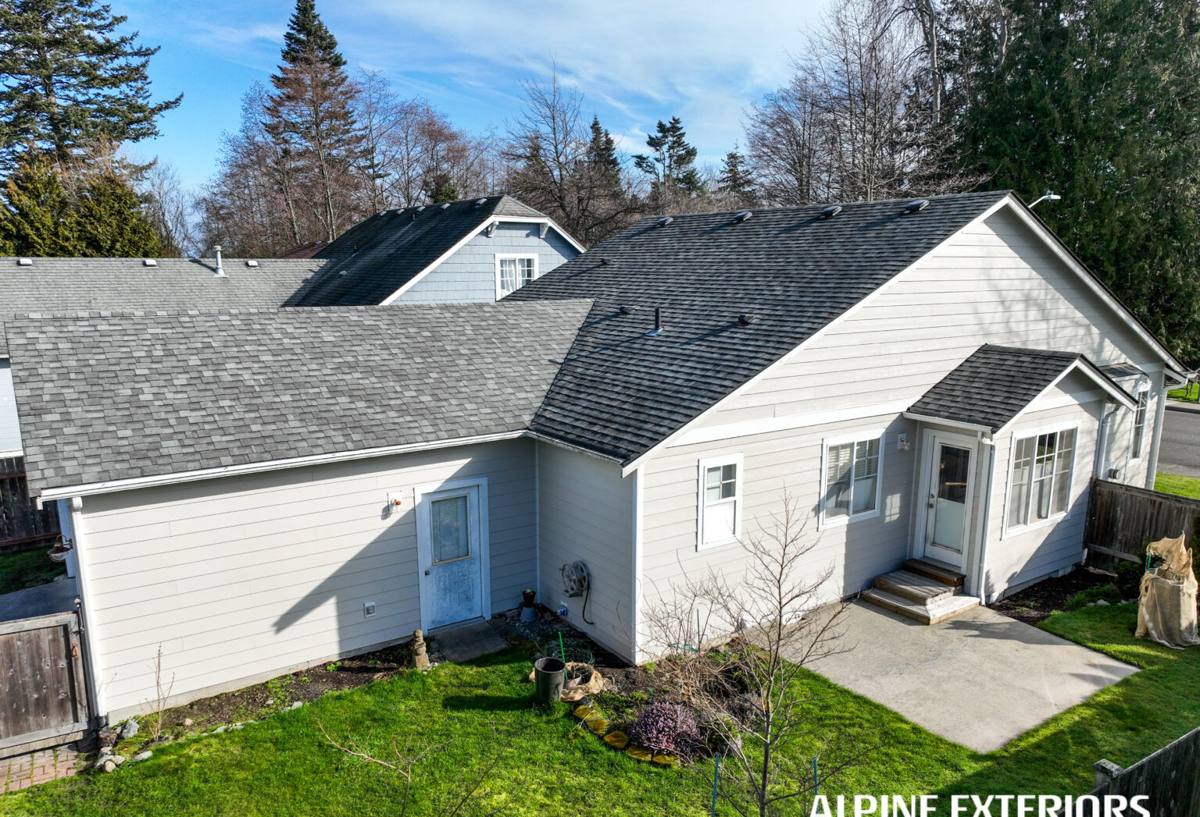
What St. Petersburg's Climate Actually Does to a Home's Exterior
St. Petersburg homeowners deal with a combination of stressors that few inland markets ever have to plan for at once:
- Hurricane-force wind events that test every fastener, seam, and edge on the building envelope, not just during a named storm but during the seasonal squall lines that roll through Tampa Bay all summer.
- Intense, near-constant UV exposure that breaks down pigments, resins, and coatings faster than in most of the country — Florida's sun angle and year-round daylight hours are simply harder on exterior materials.
- Wind-driven rain that gets forced sideways into siding laps, window flashing, and trim joints, rather than just running down a wall the way rain does in calmer climates.
- Salt air carried in off Tampa Bay and the Gulf, which accelerates corrosion of fasteners and fittings and can degrade certain coatings and adhesives over time, even at a few miles' distance from open water.
None of these stressors act alone. A home in Euclid-St. Paul is absorbing UV degradation, humidity cycling, and salt exposure simultaneously, year after year. That combination is exactly why material choice matters more here than it does in a drier, milder climate.
Why Some Original Siding Struggles Locally
Older wood-based siding and some engineered wood products were never rated for constant humidity swings paired with salt air and intense UV. Moisture that gets past a compromised seam or coating has nowhere to safely evaporate, and once decay or delamination starts at the panel edges, it tends to spread. On a home with mature landscaping and less direct sun exposure, that process can be slow. On a home with full southern or western exposure, it moves faster than most owners expect.
Our Position: We Install James Hardie Fiber Cement — And Only James Hardie
St. Petersburg Siding Co. installs James Hardie fiber cement exclusively. We do not install vinyl siding, LP SmartSide, Cemplank, Allura, or primed spruce or cedar. That is a deliberate professional standard, not a sales preference, and it is worth explaining honestly.
What Those Alternatives Get Right
Vinyl is inexpensive and quick to install. Engineered wood products like LP SmartSide can look attractive at a lower material cost than fiber cement. Cemplank and Allura are themselves fiber cement products with legitimate manufacturing standards. Primed wood species like spruce or cedar have a traditional look some homeowners specifically want. None of these products are frauds or scams — they simply carry trade-offs that matter more in a climate like ours than they would somewhere with milder weather.
Why We Don't Install Them Here
| Material | Real-World Trade-Off in This Climate |
|---|---|
| Vinyl siding | Can warp or deform under intense sun exposure and sustained heat; seams and panel edges are vulnerable in high wind events |
| LP SmartSide (engineered wood) | Wood-strand core is more sensitive to sustained moisture exposure than fiber cement if the factory coating or seams are compromised |
| Cemplank / Allura (fiber cement) | Similar base material to Hardie, but different factory finish systems, warranty structures, and regional engineering for HVHZ wind zones |
| Primed spruce/cedar | Requires ongoing owner maintenance (repainting, sealing) that most coastal Florida homeowners underestimate the frequency of |
We standardized on James Hardie because its ColorPlus factory-baked finish is engineered to resist the specific fading and moisture stress that Gulf Coast homes experience, its HZ5 product line is climate-engineered for exactly this kind of humidity and wind exposure, the material itself is non-combustible, and the transferable warranty backing it is strong when the product is installed to Hardie's own specifications. We install to that spec every time — proper clearances, fastening patterns, and flashing details matter as much as the product itself.
How a Siding Project Works for a Euclid-St. Paul Home
Every project starts with an honest look at what's actually happening on the existing exterior, not a sales pitch. That means checking for moisture intrusion at trim and window returns, assessing whether the existing sheathing is sound, and being clear with the homeowner about what's cosmetic versus what's structural.
Typical Project Sequence
- On-site inspection and honest assessment of current siding, trim, and any moisture-affected areas
- Removal of old material and inspection of the sheathing underneath before anything new goes up
- Correction of any flashing, house-wrap, or moisture-barrier issues found during removal
- Installation of James Hardie panels or planks per manufacturer fastening and clearance specifications
- Trim, caulking, and finish detailing at windows, doors, and corners
- Final walkthrough with the homeowner before we consider the job complete
Because Pinellas County sits in a designated high-velocity hurricane zone in parts of its jurisdiction, and wind requirements are taken seriously countywide, we pull permits and document installation appropriately rather than treating siding as a cosmetic swap. That paperwork protects the homeowner at resale and with insurance, not just during the project itself.
Roofing, Windows, and Decks: The Rest of the Envelope
Siding doesn't work in isolation. A home in this neighborhood facing wind-driven rain and salt air needs its roof, windows, and any exterior decking to be working together as one system.
Roofing
Roof condition directly affects siding performance — a roof that's shedding water improperly onto a wall plane accelerates wear on whatever cladding is below it. We assess roofing as part of a full exterior evaluation, not as an afterthought.
Windows
Window flashing integration is one of the most common failure points we find during siding tear-offs. Poorly integrated window flashing lets wind-driven rain track behind the cladding regardless of how good the siding itself is. When we replace siding around existing windows, we verify and correct flashing details as part of the scope.
Decks
Exterior decks in this climate face the same UV and moisture stress as siding, just in a horizontal orientation with even less protection. Material choice and proper fastening matter just as much here as they do on the walls of the home.
What to Check Before Hiring Any Exterior Contractor Locally
- Active Florida contractor license and general liability/workers' comp coverage
- Manufacturer-specific installation training for whatever siding product they're proposing
- Willingness to pull permits rather than treat the job as cash-and-carry
- A clear explanation of what happens if moisture or sheathing damage is found once old siding comes off
- A written scope that specifies product line, fastening method, and finish details — not just a square-footage price
A contractor who won't commit to specifics in writing, or who can't explain why they're recommending a given product for a coastal Pinellas County home specifically, is worth a second opinion.
Cost Factors Homeowners Should Understand Up Front
| Factor | Why It Matters |
|---|---|
| Extent of tear-off and any sheathing repair | Hidden moisture damage found during removal changes scope — this is common on older homes |
| Home size and architectural complexity | Corners, dormers, and trim details all add labor time beyond raw square footage |
| Product line selected within the Hardie system | Plank profile, panel size, and ColorPlus finish selection affect material cost |
| Permitting and wind-zone documentation | Proper permitting adds administrative time but protects the homeowner long-term |
We don't quote by rough square-footage guesses alone — every estimate reflects what we actually find on the home.
Why a Local Crew Matters
A contractor based in and around St. Petersburg understands the difference between a home a few blocks from open water and one further inland, how Pinellas County's permitting process actually runs day to day, and which failure patterns keep showing up on homes exposed to this specific mix of sun, wind, and salt. That local knowledge shapes real decisions — fastening patterns, flashing details, and product recommendations — not just marketing copy.
If you're weighing a siding, roofing, window, or deck project for a home in Euclid-St. Paul, we're happy to take a look and give you a straightforward, no-pressure assessment of what your home actually needs. Request a free estimate below and we'll walk the property with you.