 St. Petersburg Siding
 Windows Built for Disston Heights, Not Just "Florida"
Disston Heights sits inland from the bay but still gets the full weight of what a Pinellas County storm season brings: hurricane-force wind gusts, wind-driven rain that finds every gap in a poorly flashed frame, and the kind of relentless UV exposure that breaks down vinyl and seals faster than most homeowners expect. St. Petersburg's salt air travels further inland than people assume, too, and it's slowly working on aluminum hardware and window frames whether the house is three blocks from the water or three miles.
Many homes in this part of St. Pete are older — mid-century block construction and post-war bungalows with original or once-replaced window openings that were never built to modern wind-load or impact standards. That's the starting point for almost every window job we do here: we're not just swapping glass, we're bringing an opening built for a different era up to what current Florida Building Code actually requires, without changing the character of the house.
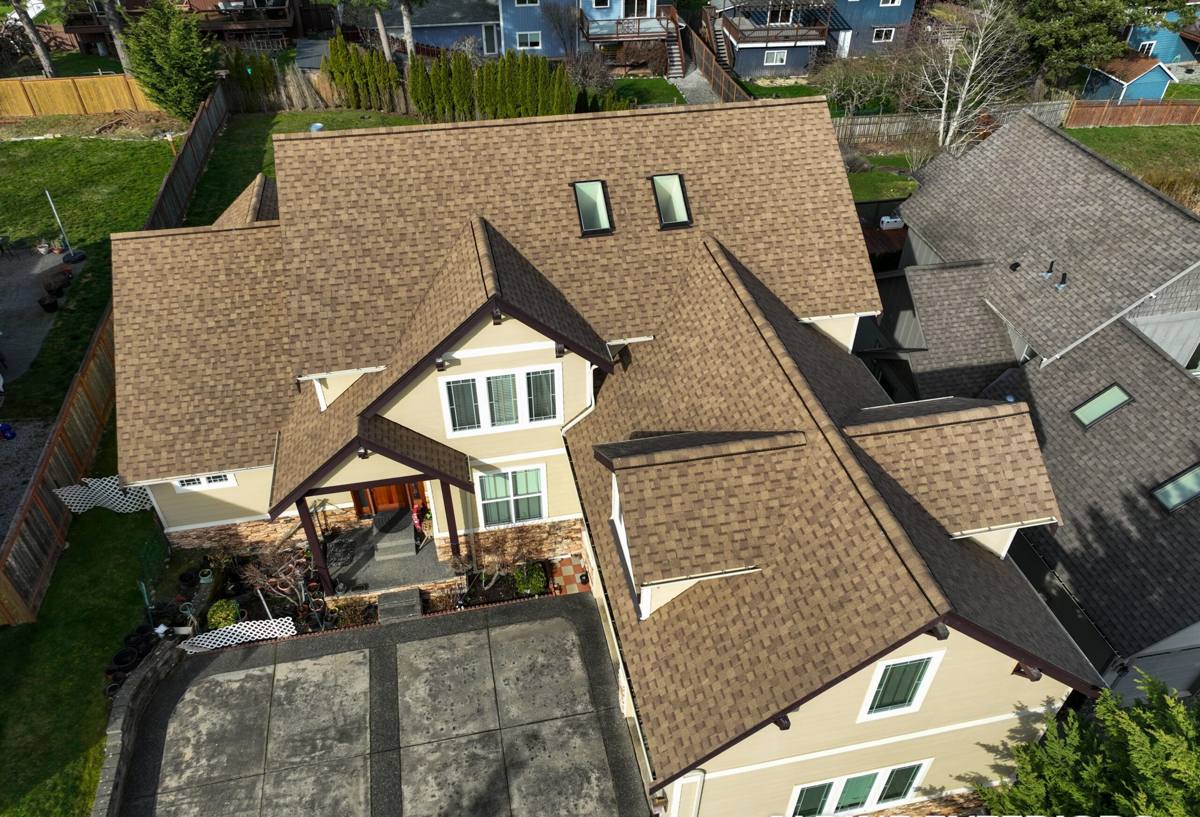
What Disston Heights Homes Typically Need
No two houses are identical, but we see a handful of recurring conditions on Disston Heights jobs:
- Original single-pane or early double-pane aluminum windows that have never been upgraded to impact-rated glass
- Wood-frame openings on older bungalows where the surrounding wood has taken on moisture damage over the years
- Block construction homes where the rough opening has settled slightly out of square, which changes how a replacement window needs to be shimmed and sealed
- Old caulk and glazing putty that has UV-cracked and is no longer doing its job, letting wind-driven rain track behind the frame
- Non-impact windows paired with separate storm shutters as the only hurricane protection, which works but means two systems to maintain instead of one
None of these are unusual or a mark against the house — they're just what happens to windows in this climate over enough years. The point of a proper installation is to correct all of it at once, not patch around it.
Why "Just Replace the Glass" Isn't the Whole Job
A window is only as good as the opening it sits in. We've seen plenty of installs elsewhere — not ours — where a nicer, more expensive window went into a rough opening that was never properly prepped, and the homeowner ended up with the same leak or drafts they had before, just with a bigger price tag attached. In St. Petersburg's climate, the flashing, sealant, and fastening schedule around the window matter as much as the window itself.
What a Correct Installation Involves
This is the sequence we follow on every Disston Heights window job, and it's worth understanding because it's also how you can tell a rushed install from a proper one:
- Remove the old unit and inspect the rough opening. This is where we find hidden wood rot, deteriorated stucco, or a frame that's no longer square. Any of that gets addressed before a new window goes in — never covered over.
- Repair and prep the opening. Damaged framing gets replaced, not just caulked over. On block homes, we confirm the buck (the wood or PVC frame anchored into the block) is solid and properly attached.
- Install house wrap and flashing tape correctly sequenced — meaning each layer overlaps the one below it, so water is always directed outward and down, never trapped behind the window.
- Set the window plumb, level, and square, then shim and fasten according to the manufacturer's wind-load specifications, not just "close enough."
- Seal with the correct sealant for the substrate — not the cheapest tube of caulk on the truck. Sealant choice matters more in a climate with this much UV and humidity cycling than almost anywhere else in the country.
- Finish interior and exterior trim, matching existing profiles where we can so the house doesn't look patched together.
- Test operation and check the seal before we consider the job done.
Impact Windows vs. Standard Windows with Shutters
This is one of the most common decisions homeowners in this neighborhood weigh, and there's a real trade-off either way — not a wrong answer, just different priorities.
| Factor | Impact-Rated Windows | Standard Windows + Shutters |
|---|---|---|
| Upfront cost | Higher per opening | Lower window cost, but shutters add their own cost |
| Storm prep effort | None — no deployment needed | Shutters must be installed or closed before every storm |
| Daily UV and noise reduction | Better year-round, not just during storms | No everyday benefit — shutters only help when deployed |
| Insurance premium impact | Often reduces windstorm mitigation costs | Depends on shutter type and coverage under current mitigation rules |
| Maintenance | Glass and frame seals to check periodically | Shutter tracks, hardware, and storage to maintain |
We install both, and we'll tell you honestly which one fits your budget and how you actually plan to use the house — full-time residence, seasonal, or rental. What we won't do is talk you into the more expensive option if a well-installed standard window with a solid shutter plan genuinely covers what you need.
Frame Material: What Holds Up in This Climate
Frame choice matters as much as glass rating once you're dealing with year-round humidity, salt air, and intense sun.
Vinyl
Good value and low maintenance, but quality varies a lot between manufacturers. In direct Florida sun, a cheaper vinyl frame can discolor or become brittle years before a well-made one will. We only install vinyl products rated for high-UV climates.
Aluminum
Strong and slim-profile, which a lot of older Florida homes were originally built with. Modern aluminum frames with a proper thermal break and marine-grade hardware hold up well to salt air, but hardware quality is where corners get cut — we don't skimp there.
Fiberglass and Composite
The best dimensional stability against Florida's heat and humidity swings, at a higher price point. Worth it on openings that see the most sun exposure or where you're planning to stay in the home long-term.
We don't push one material as universally "best" — the right answer depends on your budget, the orientation of the house, and how long you plan to own it. We'll walk you through what we'd actually put on our own home.
Permits and Code in St. Petersburg
Window replacement in Pinellas County requires a permit, and inspections check wind-load rating, proper flashing, and correct anchoring — not just that a window is physically in the hole. Skipping the permit is a real risk: it can create problems at resale, complicate an insurance claim after storm damage, and in some cases void the manufacturer's warranty on the unit. We pull permits as a standard part of the job and coordinate the inspection so you don't have to chase it down yourself.
Our Process, Start to Finish
- On-site assessment. We look at every opening, not just count windows from a photo — condition of framing, current wind rating, and how the house is oriented to sun and prevailing storm direction.
- Honest scope and pricing. You'll know upfront which openings need extra framing work, not find out mid-project.
- Permit and product ordering. We handle the paperwork and order the exact sizes needed — no field-cutting a window that was ordered wrong.
- Installation. Most homes are done in a matter of days, not weeks, depending on the number of openings.
- Final walkthrough and inspection. We check every window with you before we call it finished, and we're the ones who show up if the county inspector wants something adjusted.
A Pre-Estimate Checklist
Before you call any contractor for window quotes, it helps to walk your own house and note the following — it makes for a faster, more accurate estimate:
- Which windows currently fog, stick, or won't lock properly
- Any visible cracking in caulk or trim around window edges
- Rooms where you notice drafts, outside noise, or a temperature difference near the window
- Whether you currently have any hurricane protection (shutters, panels, or none) on each opening
- Whether you're replacing all windows at once or prioritizing certain rooms first
Why Local Experience in This Neighborhood Matters
A crew that regularly works Disston Heights and the surrounding St. Petersburg neighborhoods already knows the common rough-opening quirks in homes of this era, has a working relationship with the county permitting and inspection process, and isn't guessing at wind-load requirements for this specific zone of Pinellas County. That translates into fewer surprises mid-project and an install that's genuinely built for what this coastal climate does to a house — not a generic national playbook applied to a Florida home.
If you're weighing your options for window replacement in Disston Heights, we're glad to come take a look and give you a straight, no-pressure estimate — including what we'd actually recommend if it were our own house. Use the form below to get started.