 St. Petersburg Siding
 Siding Installation Built for Gulfport's Waterfront Conditions
Gulfport sits right on Boca Ciega Bay, which means homes here take a different kind of beating than siding just a few miles inland in St. Petersburg. The combination of near-constant water exposure, salt-laden air, and direct Gulf Coast sun puts real stress on exterior materials year-round, not just during storm season. When we install siding in Gulfport, we're accounting for all of that from the first measurement to the final caulk line — not applying a generic install and hoping it holds up.
This page covers what a correct siding installation looks like specifically for Gulfport homes: the material decisions, the prep work, the installation details that matter most in this environment, and what to expect if you're planning a project here.
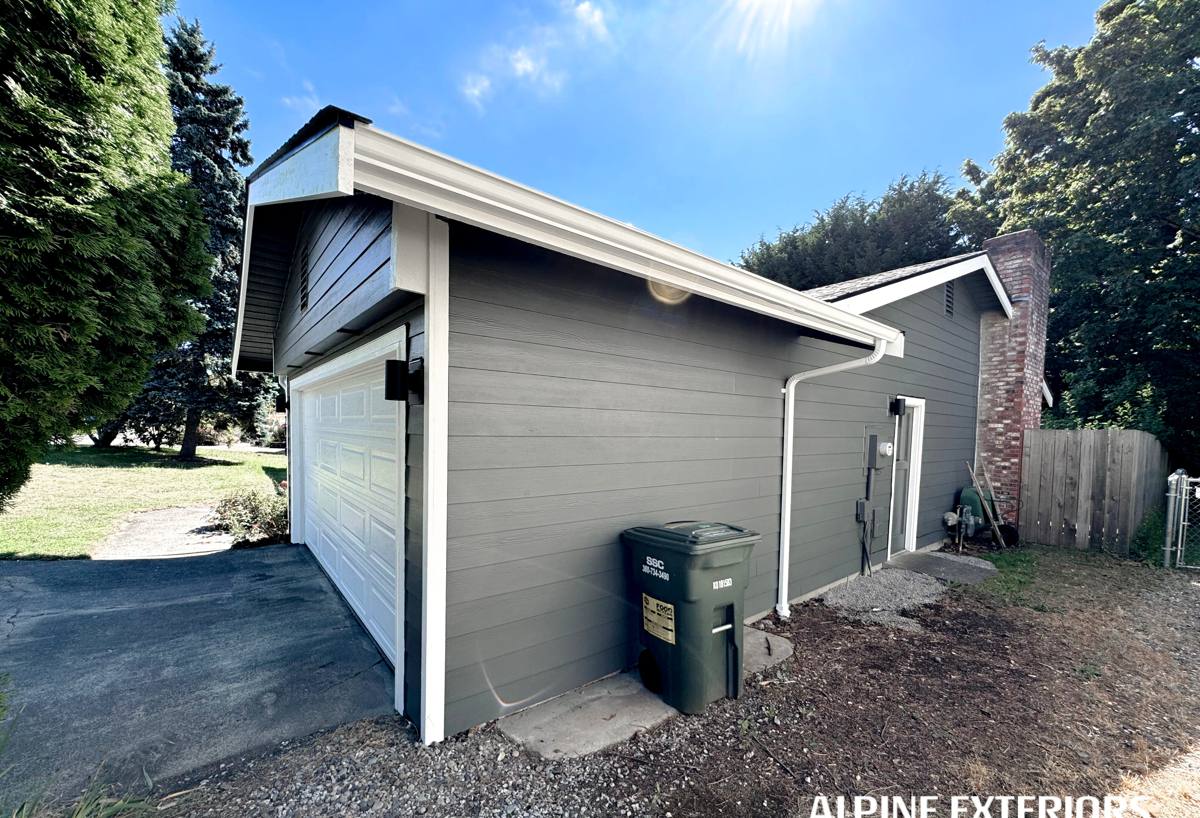
What Gulfport's Climate Actually Does to Siding
Pinellas County as a whole deals with hurricane-force wind events, intense UV exposure nearly every month of the year, and wind-driven rain that pushes moisture sideways into wall assemblies rather than just down. Gulfport's bayfront and near-bayfront location adds a fourth factor: persistent salt air. Salt accelerates corrosion on fasteners and trim hardware, and it degrades cheaper coatings and finishes faster than the same products would fail a few miles inland.
None of these forces act alone. Salt air weakens a finish, UV bakes and embrittles whatever's underneath, and the next wind-driven rain event finds the crack. That's the real failure pattern behind most siding problems we see on Gulf Coast homes — it's rarely one dramatic event, it's the slow compounding of all four.
Why This Matters More in Gulfport Than Some Other St. Petersburg Neighborhoods
Distance from open water is one of the biggest variables in how hard a home's exterior gets worked. Gulfport's low elevation and waterfront proximity put many homes in a higher-exposure category than similar houses set back further from the bay. That doesn't mean every product fails here — it means the margin for error in material choice and installation quality is smaller.
Why We Install James Hardie and Nothing Else
We standardized on James Hardie fiber cement siding for every job we take on, including here in Gulfport, and we don't install vinyl, LP SmartSide, Cemplank, Allura, or wood siding products like primed spruce or cedar. That's not a marketing position — it's a decision built around what actually holds up in this specific climate.
Fiber cement is non-combustible, dimensionally stable, and resistant to the moisture intrusion and pest issues that affect wood-based products. James Hardie's ColorPlus factory-applied finish is baked on and backed by a separate finish warranty, which matters in a salt-air environment where paint adhesion and fade resistance are constant concerns. Hardie also engineers specific product lines (the HZ5 line, for example) for high-humidity, high-moisture climates like ours — the formulation isn't identical to what's sold in drier parts of the country.
We're not going to tell you every other product on the market is worthless — vinyl and engineered wood sidings have real uses and reasonable track records in less demanding climates. But for a bayfront-adjacent Gulf Coast neighborhood dealing with salt, UV, wind, and driving rain simultaneously, we've made the call that fiber cement with a factory finish and a strong transferable warranty is the only product we're willing to put our name on.
What a Correct Siding Installation Involves Here
The siding panel itself is only part of the system. Most siding failures we get called out to inspect trace back to installation shortcuts, not the material. In a high-exposure area like Gulfport, these details aren't optional extras — they're the difference between siding that lasts and siding that needs premature repair.
- Weather-resistant barrier: A properly lapped and sealed water-resistive barrier behind the siding, so any moisture that gets past the cladding has somewhere to drain rather than sitting against the sheathing.
- Correct fastener spacing and type: Corrosion-resistant fasteners, set to Hardie's specified pattern — under-fastening or over-driving nails is one of the most common causes of panel cracking and loosening in wind events.
- Proper clearances: Siding held off decks, roofing, and grade by the manufacturer's minimum gaps, so water doesn't wick up into the bottom edge of the panel.
- Sealed joints and penetrations: Every seam, corner, and penetration (vents, fixtures, hose bibs) properly caulked with a flexible, paintable sealant rated for exterior use.
- Factory-cut edges where possible: Minimizing field cuts preserves the factory finish's edge sealing, which matters for long-term moisture resistance.
- Flashing at every horizontal transition: Windows, doors, and trim boundaries get proper flashing details so wind-driven rain can't work its way behind the cladding.
Any one of these done wrong might not show a problem for a year or two. In Gulfport's environment, done wrong tends to show up faster — usually as staining, soft trim, or a panel that's started to separate at a seam.
Our Process for a Gulfport Siding Installation
1. On-Site Assessment
We walk the property, check the current wall assembly and existing siding (if any) for hidden moisture damage, and assess wind exposure based on the home's orientation relative to the bay and open areas.
2. Material and Color Selection
We go over the applicable James Hardie product line, panel profile (lap, shingle-style, or panel), and ColorPlus finish options, factoring in how sun exposure on different elevations of the home may affect color and heat performance.
3. Prep and Removal
Existing siding is removed, the sheathing is inspected and repaired as needed, and any compromised framing or rot is addressed before a single new panel goes up — covering a bad substrate with new siding just hides the problem.
4. Weather Barrier and Flashing Installation
This is the step most likely to get rushed on a budget install. We don't rush it, because it's the layer doing the real work of keeping wind-driven rain out of the wall cavity.
5. Siding Installation to Manufacturer Spec
Fastening, clearances, and joint treatment are all installed to James Hardie's published specifications, which is also what keeps the manufacturer's warranty valid.
6. Final Inspection and Walkthrough
We walk the finished job with the homeowner, checking caulking, trim, and finish consistency before calling it complete.
Cost Factors for a Gulfport Siding Project
Every home is different, but the variables that most affect the scope and cost of a siding installation in this neighborhood tend to be consistent. We don't publish fixed pricing because these factors shift too much house to house — but here's what drives the estimate.
| Factor | Why It Matters in Gulfport |
|---|---|
| Home size and wall complexity | More corners, dormers, and trim details mean more labor and material waste |
| Existing siding removal | Older wood or vinyl siding removal and disposal adds time versus a fresh substrate |
| Sheathing/substrate condition | Water or pest damage found during tear-off may require repair before install |
| Wind exposure/proximity to water | Homes closer to the bay may warrant additional fastening attention per manufacturer wind-zone guidance |
| Panel profile and finish selection | Shingle-style profiles and premium ColorPlus finishes cost more than standard lap siding |
| Trim and accessory work | Fascia, soffit, and trim replacement alongside siding affects total project scope |
Signs Gulfport Homeowners Should Watch For
Because of the compounding effects of salt, sun, and storms, siding issues in this area often show up in specific, recognizable ways before they become major problems.
- Visible staining or streaking, especially on the side of the home facing prevailing wind and rain
- Soft or spongy trim boards around windows and doors
- Paint or finish that's chalking, fading unevenly, or peeling faster than expected
- Gaps opening up at panel seams or corner boards
- Any bubbling or separation near the base of the wall, where splash-back and standing water are most common
Catching these early usually means a repair. Ignoring them usually means a full section replacement — which is a big part of why installation quality matters as much as the product choice itself.
Why a Crew That Already Works Gulfport Matters
Siding installation isn't one-size-fits-all across Pinellas County, and a contractor who mainly works inland neighborhoods may not naturally account for bayfront wind exposure or salt air's effect on fasteners and finishes. A crew already familiar with Gulfport's building conditions knows to check for these factors as a matter of routine, not as an afterthought — which shows up in fewer callbacks and siding that performs the way it's supposed to for the length of its warranty.
If you're considering a siding installation in Gulfport, we're happy to take a look at your home, walk you through the James Hardie product options that fit it, and give you a straightforward, no-pressure estimate. There's no obligation — just an honest read on what your home needs.