 St. Petersburg Siding
 Deck Replacement Built for St. Pete Beach Conditions
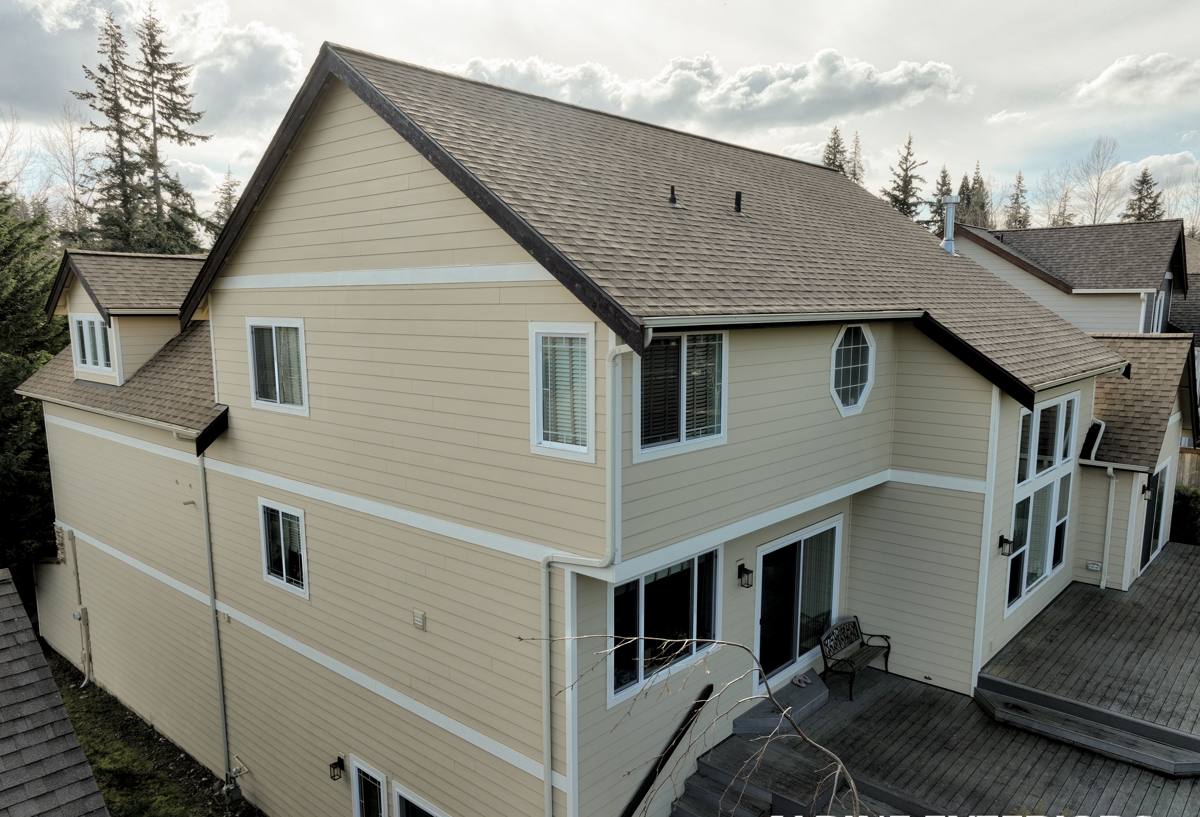
A deck on St. Pete Beach lives a harder life than a deck almost anywhere else in the region. It sits closer to the Gulf, which means more salt in the air settling on every fastener and finish. It takes the sun nearly year-round at an intensity that breaks down wood fibers and fades or chalks lesser finishes within a few seasons. And when a storm rolls through, it takes the first hit of wind-driven rain before the weather even reaches the rest of the property. If your deck is cupping, splintering, showing soft spots, or the railings have started to feel less solid than they used to, that's not bad luck — it's what this barrier-island environment does to a deck that wasn't built or maintained with that environment in mind.
We work throughout St. Petersburg and Pinellas County, and St. Pete Beach specifically has its own set of demands compared to inland neighborhoods. Replacing a deck here isn't just swapping old boards for new ones — it's an opportunity to fix the structural and material choices that let the last deck fail early.
Why Decks Fail Faster This Close to the Gulf
Salt Air and Metal Fasteners
Salt-laden air accelerates corrosion in any fastener, bracket, or connector that isn't rated for coastal exposure. Standard hot-dip galvanized hardware can start breaking down well before the decking itself shows wear, and once a fastener corrodes, it loses grip strength — which is exactly where you don't want weakness in a structure people walk on. This is one of the most common root causes we find when a deck feels "loose" or bouncy despite the boards looking fine.
UV Exposure
Florida sun is intense across the whole state, but a beach-adjacent deck gets more direct, unobstructed exposure than a shaded inland yard. UV breaks down the lignin in wood fiber and degrades sealants and finishes faster than the label estimates usually account for. Composite and PVC decking resist this better than wood, but even those products vary a lot in how their color and surface hold up over years of full sun.
Wind-Driven Rain and Ledger Rot
Where a deck attaches to the house — the ledger board — is the single most common failure point we see, and it's almost always tied to water intrusion. Wind-driven rain gets pushed sideways and upward under flashing that wasn't detailed correctly, and it doesn't take a hurricane to do it — a normal seasonal storm off the Gulf is enough over time. A deck can look structurally sound from the surface while the ledger connection underneath has been quietly rotting for years.
Hurricane-Force Wind Loads
Deck framing and railing systems in this area need to be attached and braced for wind uplift and lateral load, not just vertical weight. A deck that was built to a minimum-effort standard may hold up fine in calm weather and still be under-attached for what a tropical system can throw at it.
What a Correct Deck Replacement Involves
A proper replacement in St. Pete Beach isn't just cosmetic. We treat it as a full evaluation of the structure, not just the decking surface.
- Full removal of old decking, railings, and any framing members showing rot, corrosion, or insect damage
- Inspection of the ledger board attachment and the house sheathing behind it, since this is the most common hidden failure point
- Verification or replacement of footings and posts, checking for movement, cracking, or undersized sizing for current code
- Use of corrosion-resistant, coastal-rated fasteners and structural connectors throughout — not just at visible points
- Proper flashing at the ledger and any transitions where the deck meets the house, sized and installed to shed wind-driven rain rather than trap it
- Framing spacing and bracing appropriate for the decking material chosen and the wind exposure of the site
- Railing systems attached with the same coastal-grade hardware standard, since railings take direct wind load and are a life-safety component
- A final walk-through covering fastener pattern, board spacing for drainage and movement, and maintenance expectations for the material installed
Choosing the Right Decking Material for This Environment
There's no single "best" decking material for every homeowner — it depends on budget, how much maintenance you're willing to do, and how long you want to go before the next major service. What matters is picking with the salt air, sun, and rain exposure of St. Pete Beach in mind, not a generic climate.
| Material | How It Handles This Climate | Maintenance | Trade-Offs |
|---|---|---|---|
| Pressure-treated wood | Affordable, but most exposed to UV fading, splintering, and moisture cycling near the Gulf | Annual sealing/staining recommended | Lowest upfront cost, shortest realistic service life in this environment |
| Composite decking | Resists moisture and salt corrosion well; color and surface behavior vary significantly by brand and product line | Periodic cleaning, no sealing/staining | Higher upfront cost, longer service life, but quality varies — this is where we're selective about what we install |
| PVC/capped polymer decking | Strong resistance to moisture, salt, and UV fading since there's no wood fiber to break down | Low — occasional cleaning | Highest upfront cost, but the lowest long-term maintenance burden near the coast |
| Tropical hardwoods (e.g., ipe) | Naturally dense and rot-resistant, but still needs oiling to control UV graying | Regular oiling to maintain appearance | Premium cost and premium look, but maintenance is ongoing if you want to keep the original color |
We'll walk through these options honestly, including what we've found holds up and what tends to disappoint homeowners a few years in — particularly around how different composite products handle direct sun exposure and moisture at ground-level framing.
Framing and Fasteners: The Part You Won't See Later
Once the new decking is down, the framing and fasteners underneath are hidden — which is exactly why they matter most at replacement time. We don't reuse old framing members just because they're still standing; standing isn't the same as sound. Posts, joists, and beams get evaluated individually, and anything showing rot, insect damage, or corrosion at connection points gets replaced rather than patched. All structural hardware — joist hangers, post bases, hurricane ties, and fasteners — is coastal-rated to resist the salt exposure this close to the water, not the standard-grade hardware that's fine forty miles inland but undersized for a barrier-island property.
Our Deck Replacement Process
1. On-Site Assessment
We inspect the existing deck's framing, ledger attachment, footings, and decking condition, and identify what's driving the failure — age, storm damage, or a construction shortcut from the original build.
2. Material and Design Walkthrough
We go over decking material options, railing style, and any layout changes, with honest trade-offs for each based on your budget and how much upkeep you want going forward.
3. Permitting
Deck replacement typically requires a permit through the City of St. Petersburg or Pinellas County depending on your property's jurisdiction. We handle the permitting process so the finished structure is documented and up to current code — this matters for insurance and for resale.
4. Demolition and Structural Repair
Old decking, railings, and any compromised framing come out. Footings, posts, and the ledger connection get repaired or rebuilt as needed before any new decking goes down.
5. Installation
New framing, flashing, decking, and railings go in to spec, with attention to drainage gaps, expansion spacing for the material chosen, and consistent fastener patterns.
6. Final Inspection and Walk-Through
We confirm the permit inspection passes and walk you through the finished deck, including what maintenance (if any) the material requires.
Why Local Experience in St. Pete Beach Matters
A contractor who mostly works inland Pinellas or Hillsborough properties may not default to coastal-rated hardware, may not think twice about ledger flashing detail, and may not have a strong opinion on which decking products actually hold their color and surface after a few Gulf summers. A crew that regularly works St. Pete Beach and the surrounding barrier-island communities builds those standards into every job by default, because we've seen firsthand what a standard-grade build looks like five years later in this exposure. That local pattern-recognition is the difference between a deck that needs major work again in under a decade and one that's built to actually hold up to what St. Petersburg's coastline throws at it.
Signs Your St. Pete Beach Deck Needs Replacing, Not Repairing
- Soft, spongy spots in the decking surface, especially near the house or at board ends
- Visible rust staining around fasteners or structural hardware
- Railings that flex, wobble, or feel less rigid than they should
- Persistent cupping, splintering, or graying that sealing no longer improves
- Any sign of rot or soft wood at the ledger board where the deck meets the house
- Posts or footings that show cracking, movement, or visible settling
A repair can address one isolated issue, but when several of these show up together, it usually means the structure as a whole has reached the end of what patching can fix safely.
Get a Free, No-Pressure Estimate
If your deck in St. Pete Beach is showing its age or you're just planning ahead, we're glad to come take a look and give you a straightforward assessment — no pressure, no upsell. Use the form below to request a free estimate and we'll walk the property with you and talk through what actually makes sense for your home and budget.