 St. Petersburg Siding
 Why Window Installation Works Differently on Snell Isle
Snell Isle sits right up against the water, and that changes what a window has to survive. Homes here take a heavier dose of salt-laden air than properties further inland, along with direct sun exposure off open water for a good part of the day and higher sustained wind loads during storms coming off Tampa Bay. A window that would hold up fine in a shaded inland neighborhood can fail early here — hardware corrodes faster, seals break down sooner under UV, and any gap in the installation becomes an entry point for wind-driven rain during a tropical system.
That's the core issue with window installation in this part of St. Petersburg: the window unit itself matters, but the installation quality matters just as much, if not more. A high-end impact window installed with a sloppy air gap or the wrong flashing sequence will leak and underperform. A mid-range window installed correctly, sealed correctly, and flashed correctly will often outlast it. We treat the installation as the product, not just the box that arrives on the truck.
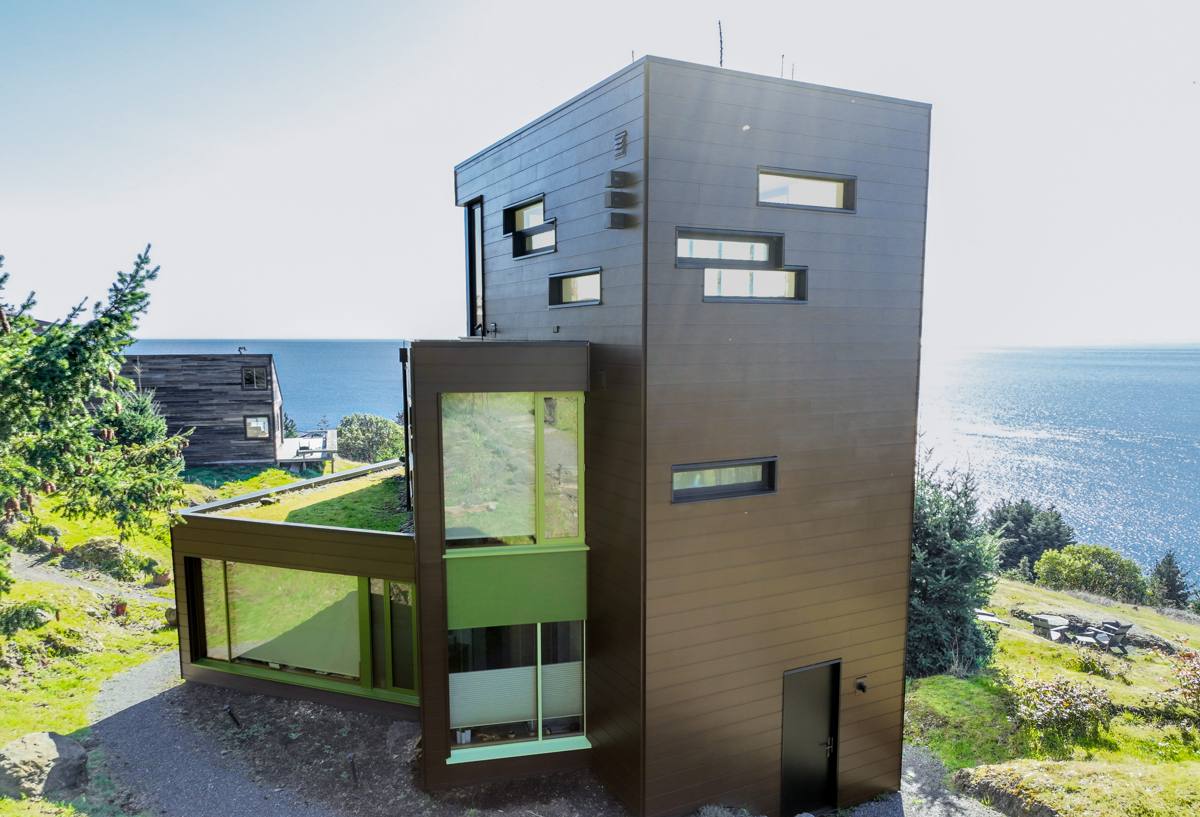
What Snell Isle Homes Typically Need From Their Windows
Every home is different, but waterfront and near-waterfront properties in this neighborhood tend to share a few pressure points:
- Corrosion resistance — hardware, tracks, and fasteners exposed to salt air need to be rated for coastal use, not standard-grade parts.
- Wind pressure rating — homes closer to open water are more exposed to gusts, which affects the design pressure (DP) rating your windows need to meet.
- UV-stable glazing and frame material — near-constant sun exposure will fade, chalk, or warp lower-grade vinyl and degrade seals faster than in shaded lots.
- Proper drainage and weep systems — wind-driven rain needs somewhere to go; a window that traps water at the sill will rot the surrounding wood or stain stucco over time.
- Compatibility with older construction — a lot of homes in this area were built well before current wind-load codes, so the rough openings, wall assemblies, and existing flashing often need extra attention during a retrofit.
None of this means every window here has to be top-of-the-line. It means the spec has to match the exposure, and the installation has to actually deliver on what the window is rated to do.
What a Correct Window Installation Actually Involves
It Starts Before the Window Ever Shows Up
Before we order anything, we check the rough opening for square, level, and plumb, and we look at the condition of the surrounding wall — sheathing, framing, and any existing water damage. Skipping this step is how you end up with a window that's technically installed but never seals properly because it was forced into an opening that wasn't ready for it.
Flashing and Sealing Are Not Optional Extras
The flashing sequence — how water-resistive barrier, flashing tape, and sill pans layer together — is what actually keeps water out, not the window alone. In a wind-driven rain environment like Pinellas County sees during summer storms and hurricane season, a flashing detail done out of order can let water behind the wall even when the window itself is a good product. We follow manufacturer flashing instructions and standard weatherproofing sequencing on every install, not a shortcut version.
Fastening and Shimming
Windows need to be shimmed and fastened per the manufacturer's approved schedule, especially for impact-rated units where the fastening pattern is tied directly to the product's wind-load certification. An impact window fastened incorrectly loses its rated performance even if the glass itself is correct — it's no longer actually a "code-compliant" installation, whatever the label on the glass says.
Interior and Exterior Finish Work
Once the window is set, sealed, and insulated around the frame, we finish both sides — interior trim and exterior caulking or stucco patch — so the job looks intentional, not like a repair. This is also where a rushed installer tends to cut corners, because it's the part that doesn't affect whether the window "works" on day one but does affect how it looks and performs over the following years.
Choosing the Right Window for a Waterfront-Adjacent Home
Homeowners in this area usually land on one of a few paths, depending on budget, how close the home sits to open water, and whether they're required to meet current Florida Building Code wind-load standards for the replacement.
| Option | Best For | Trade-Offs |
|---|---|---|
| Impact-rated windows (laminated glass) | Homes with direct water exposure, code-triggered replacements, owners who want to skip shutters | Higher upfront cost; heavier units require correctly sized framing and hardware |
| Non-impact windows + separate shutter protection | Budget-conscious replacements where storm protection is handled another way | Requires shutters to be deployed before every storm; doesn't offer daily security or noise benefits impact glass provides |
| Vinyl frames | Cost-effective, low-maintenance option for many homes | Lower-grade vinyl can discolor or warp under sustained coastal sun exposure; frame quality varies widely by manufacturer |
| Aluminum frames | Homes wanting a slimmer sightline or a more traditional coastal look | Needs a quality thermal break and corrosion-resistant coating to hold up to salt air long-term |
We don't push one frame material or glass package as universally "best" — we walk through what your specific exposure, budget, and code requirements actually call for, and explain the maintenance and moisture trade-offs of each option honestly before you commit.
Our Installation Process
- On-site assessment — we inspect existing openings, note wind exposure and sun exposure for each elevation of the home, and measure for accurate ordering.
- Product selection — we go over frame material, glass package, and impact vs. non-impact options based on your goals and the home's exposure.
- Permitting — window replacements in the City of St. Petersburg and unincorporated Pinellas County typically require a permit, especially when changing window type or size. We handle this so you're not left guessing about code compliance.
- Removal and opening prep — old units come out, and we address any rot, corrosion, or damaged sheathing found underneath before anything new goes in.
- Installation — proper flashing, shimming, fastening to spec, and insulation around the frame.
- Sealing and finish work — exterior caulking, interior trim, and a final check of operation on every unit.
- Final walkthrough — we confirm every window opens, closes, and locks correctly, and that the job site is cleaned up.
Problems We Commonly Find on Older Window Replacements in This Area
When we pull out older windows on homes in and around Snell Isle, a few issues show up often enough to be worth mentioning:
- Wood framing softened or rotted from years of small, unaddressed water intrusion around the original window.
- Hardware — hinges, locks, tracks — corroded well beyond what the glass or frame condition would suggest, a direct result of salt air exposure.
- Flashing that was missing entirely or installed backward, which had been quietly letting water behind the wall for years without an obvious interior leak.
- Non-impact windows original to the home that no longer meet current wind-load requirements, discovered only once a permit application flags it.
None of these are reasons to panic — they're common, fixable, and exactly why a proper inspection before installation matters more than just measuring for a replacement pane.
Permits and Code Requirements in Pinellas County
Window replacements almost always require a permit, and the wind-load design pressure your new windows need to meet depends on your home's location, elevation, and exposure category under the Florida Building Code. Homes closer to open water generally face higher wind-load requirements than homes further inland, even within the same city. We pull the correct permits and make sure the products we install carry the right approvals (Notice of Acceptance or Florida Product Approval, as applicable) for your specific address — this isn't paperwork you should skip or leave to guesswork, since it affects both insurance and resale down the line.
What to Expect: Timeline and Disruption
Most single-window or small-batch replacements are a one-day job once materials are on site. Full-home window replacements typically run a few days, staged room by room so the house isn't fully open at once. Custom or high-impact units can carry longer lead times from the manufacturer, which we'll flag up front during the estimate so there are no surprises on scheduling. We keep work areas covered and cleaned up daily — you shouldn't be finding glass shards or debris a week after we've left.
What to Ask Before Hiring Anyone for Window Installation
- Are you licensed to work in Pinellas County, and can you provide proof of insurance?
- Will you pull the permit, or is that left to me?
- What design pressure (DP) rating do you recommend for my specific location, and why?
- What's your flashing and sealing process — can you walk me through it in plain terms?
- What warranty covers the installation itself, separate from the manufacturer's product warranty?
- Do you have experience installing in older homes with non-standard rough openings?
If a contractor can't answer these clearly, that's worth noting before you sign anything.
Why Local Experience in This Neighborhood Matters
A crew that regularly works waterfront and near-waterfront properties in St. Petersburg already knows what to expect from an older Snell Isle home before they pull the first window — the likely condition of original framing, the corrosion patterns salt air causes, and the wind-load thresholds Pinellas County will enforce on the permit. That familiarity shortens the guesswork on your project and reduces the odds of a surprise mid-installation. It's the difference between a contractor learning your neighborhood's quirks on your job and one who already knows them walking in.
If you're weighing a window replacement or full-home upgrade, we're happy to walk your property, look at your existing openings, and put together a straightforward, no-pressure estimate — just fill out the form below to get started.