 St. Petersburg Siding
 Board & Batten Siding in Kenneth City: What Homeowners Are Actually Asking For
Board and batten is one of the most requested siding looks in the neighborhoods around St. Petersburg, and Kenneth City is no exception. The vertical lines read as clean and a little more custom than standard horizontal lap siding, and it pairs well with the mid-century and Florida-vernacular homes common throughout Pinellas County. But "board and batten" is a look, not a guarantee of performance. The same visual style can be built with materials and methods that hold up for decades, or with a version that looks fine on install day and starts failing within a few humid summers. In a small, tightly packed community like Kenneth City, where homes sit close together and word travels fast about who did good work and who didn't, that difference matters.
This page is specific to board and batten siding installed on homes in and around Kenneth City. It covers what the local climate does to this siding style, what a correct installation actually involves, how we approach these jobs, and why using a crew that already works this part of Pinellas County — rather than a traveling install team — changes the outcome.
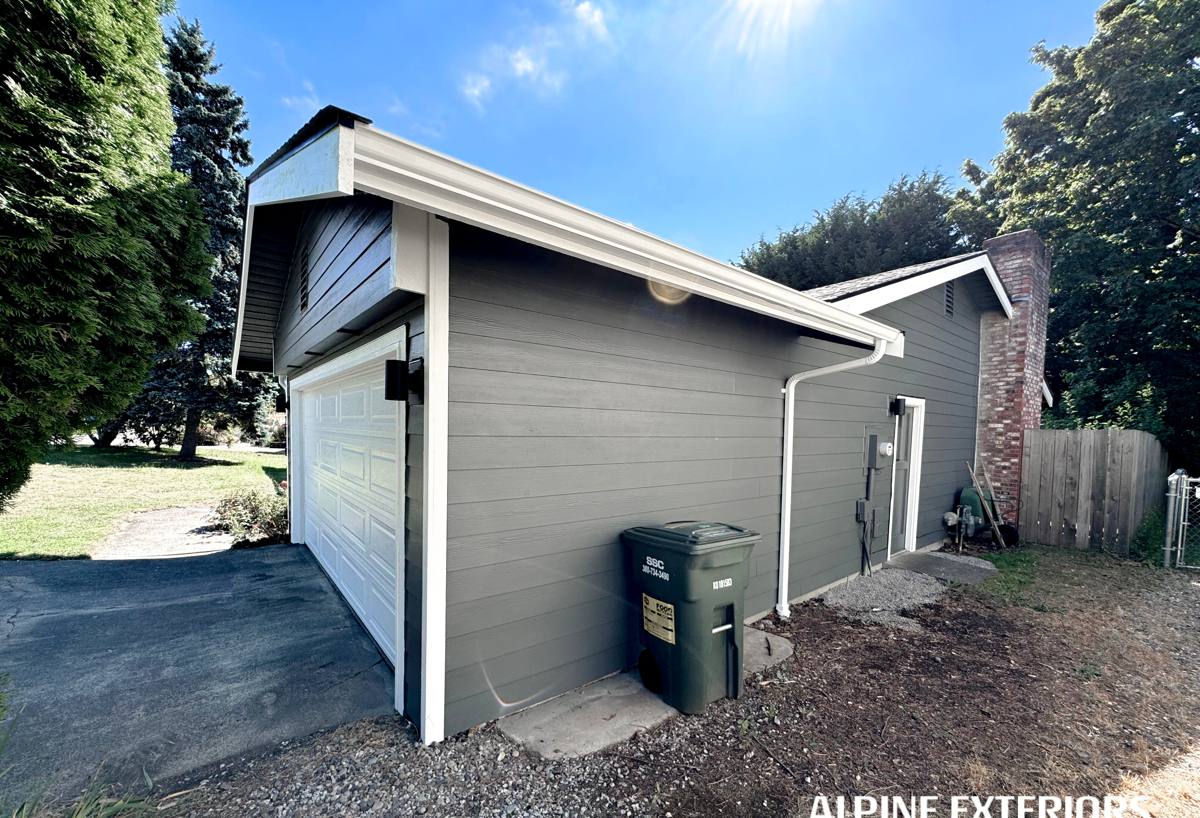
What the Kenneth City Climate Does to Board & Batten Siding
Kenneth City sits inland from Tampa Bay but still well within the reach of everything coastal Pinellas County deals with. Board and batten siding is more exposed to a few specific stresses than standard lap siding, because of its vertical orientation and the extra seams created by the battens themselves.
Hurricane-Force Wind
Vertical panel siding takes wind load differently than horizontal lap. Every batten strip is a fastening line, and every fastening line is a place where wind uplift can find a weakness if the nailing pattern or fastener spacing wasn't done to spec. During a tropical system, siding failure usually starts at one loose panel edge or one under-fastened batten, not across the whole wall at once.
Wind-Driven Rain
Florida rain rarely falls straight down during a storm — it comes in sideways, driven by wind, and finds any gap in a wall assembly. Board and batten has more vertical seams than lap siding, and if those seams aren't shingled, caulked, and flashed correctly, water works its way behind the siding and into the sheathing.
Year-Round UV
Pinellas County gets intense sun exposure nearly every month of the year, not just in summer. UV breaks down paint film, degrades caulk, and causes lesser materials to fade unevenly — especially on the sun-facing sides of a home. Vertical battens create more distinct sun/shade lines than lap siding, which makes uneven fading more noticeable if the finish isn't UV-stable.
Salt Air
Even a few miles from the water, salt-laden air moves through on prevailing winds and settles on exterior surfaces. Salt accelerates corrosion of fasteners and hardware and speeds up the breakdown of lower-grade coatings. Board and batten siding held on with the wrong fasteners, or finished with a coating not rated for this exposure, ages faster here than the same product would in a drier, inland climate.
What a Correct Board & Batten Installation Actually Involves
A good-looking board and batten job and a correctly built one can look identical from the street. The difference is underneath and in the details most homeowners never get to inspect once the siding is up.
Water Management Comes First
Before any siding goes on, the wall needs a weather-resistant barrier installed correctly, with proper overlaps and integration around windows, doors, and penetrations. Board and batten siding is a rain-screen system in appearance only if the assembly behind it actually manages water — the barrier and flashing details are what keep wind-driven rain from reaching the sheathing.
Furring and Ventilation
Where a rainscreen gap is used (furring strips behind the panel), it allows any moisture that does get past the outer layer to drain and dry rather than sit trapped against the wall. Skipping this step is one of the more common shortcuts on board and batten jobs, because it adds labor without changing how the finished wall looks.
Fastening Pattern and Spacing
This is the piece that matters most in a hurricane-exposed area. Fastener type, length, spacing, and placement relative to panel edges all need to match the manufacturer's wind-load engineering for the local wind zone — not a generic pattern used everywhere the crew installs.
Joint and Seam Treatment
Vertical battens create butt joints and seams that need to be flashed, sealed, or shingled correctly, not just caulked over. Caulk is a maintenance item, not a waterproofing strategy on its own.
Trim, Corners, and Terminations
Outside corners, inside corners, and the transitions where board and batten meets windows, doors, soffits, or a different siding profile are where most long-term leaks originate. These details take more time to do correctly and are the first thing cut when a crew is trying to move fast.
Why We Install James Hardie Board & Batten and Nothing Else
We get asked regularly why we don't offer board and batten in vinyl, engineered wood, or lower-cost fiber cement alternatives. The honest answer is that we've standardized on James Hardie fiber cement because it's the product that consistently holds up to what this climate does, and because as a company we'd rather install one system correctly than several systems inconsistently.
| Factor | James Hardie Fiber Cement | Vinyl Board & Batten | Engineered Wood / Primed Spruce |
|---|---|---|---|
| Wind performance | Engineered wind-load ratings for HZ product lines, rated for hurricane-exposed regions | Can flex, warp, or blow off in sustained high wind if not properly rated and fastened | Adequate if fastened well, but panel itself is more prone to long-term warping |
| Moisture behavior | Fiber cement doesn't rot; engineered for high-humidity, high-rain climates | Doesn't rot, but trapped moisture behind panels can promote mold on sheathing | Wood-based core is vulnerable to swelling, rot, and delamination if moisture gets in |
| UV / fade resistance | ColorPlus factory finish is baked-on and UV-engineered; holds color for years | Can fade and become brittle under sustained Florida UV exposure | Paint finish requires more frequent recoating to hold color and protect the core |
| Salt air / fastener corrosion | Fiber cement itself is inert; correct fastener specs address salt exposure | Panel is corrosion-proof, but hardware and trim accessories can still be an issue | Both panel and fasteners are more vulnerable without diligent maintenance |
| Fire resistance | Non-combustible material | Combustible | Combustible |
| Warranty | Strong transferable manufacturer warranty on product and finish | Varies widely by manufacturer and grade | Typically shorter, often finish-only, not structural |
None of this means the alternatives are junk — vinyl and engineered wood both have a place, and plenty of homes carry them without issue in milder climates. But for a hurricane-exposed, high-UV, salt-air environment like Pinellas County, we've made the call that Hardie's engineered HZ product line, factory-applied finish, and non-combustible composition are worth standardizing on, even though it means turning away jobs where a homeowner specifically wants vinyl or wood board and batten.
Our Process for a Kenneth City Board & Batten Project
- Walk-through and assessment. We look at the existing wall assembly, current siding condition, trim details, and any moisture or rot issues that need addressing before new siding goes on.
- Product and profile selection. We help homeowners choose panel width, batten spacing, and ColorPlus finish that fits the home's style and the neighborhood's character.
- Wall prep. Removal of failing existing siding, repair of any damaged sheathing, and installation of a correctly lapped weather-resistant barrier.
- Furring and fastening layout. Rainscreen furring where called for, and a fastening plan matched to Hardie's wind-zone specifications for this part of Florida.
- Installation. Panels and battens installed to manufacturer spec, with proper joint treatment, corner detailing, and flashing at every penetration.
- Final inspection and walkthrough. We check fastening, seams, and trim before calling the job finished, and walk the homeowner through what to expect from the finish over time.
Why It Matters That We Already Work in Kenneth City
Kenneth City is a small municipality, and home styles, lot layouts, and even typical wall assemblies repeat across the community in ways that a crew already familiar with the area recognizes quickly. That familiarity shows up in a few practical ways:
- We already know the general permitting expectations for exterior work in this part of Pinellas County, so there are fewer surprises mid-project.
- We're used to working around the tighter lot spacing common in Kenneth City, which affects staging, access, and how a crew sequences a job.
- We've seen how homes here — many built in similar eras with similar construction methods — tend to age, so we know what to check for before opening up a wall.
- We're not driving in from another county, which means callbacks, warranty visits, and follow-up questions get answered by people who are actually local, not a dispatch line.
A crew that only shows up in a neighborhood once doesn't build that pattern recognition. It's not a knock on any individual installer — it's just what happens when you've worked the same streets and the same housing stock repeatedly versus doing a one-off job and moving on.
What Drives the Cost of a Board & Batten Project
Every home is different, so we don't publish blanket pricing, but these are the factors that most affect the cost of a board and batten job in this area:
| Factor | Why It Matters |
|---|---|
| Wall prep and sheathing condition | Rotted or damaged sheathing found during removal adds repair scope before new siding can go on |
| Rainscreen / furring strip system | Adds material and labor but improves long-term moisture performance in a humid climate |
| Panel width and batten spacing | Wider reveals and custom spacing patterns take more layout time than standard patterns |
| Trim and corner complexity | Homes with more windows, dormers, or roofline transitions require more detail work |
| ColorPlus finish selection | Factory-finished color options vary in cost versus field-painted options |
| Access and staging | Tight lots, fencing, or landscaping can affect labor time for material staging and cleanup |
Maintaining Board & Batten Siding in This Climate
Correctly installed Hardie board and batten is low-maintenance, not no-maintenance. A little seasonal attention goes a long way in a climate this demanding.
- Rinse the siding periodically to remove salt residue, especially after storms with onshore wind.
- Inspect caulking at seams, corners, and trim transitions annually and re-caulk any cracked or separated joints.
- Watch for staining or streaking near roof lines or gutters, which can signal a water management issue rather than a siding problem itself.
- Keep an eye on paint or finish condition at ground level and around AC units, where splashback and moisture exposure are higher.
- After any major storm, do a visual check for loose panels, popped fasteners, or damaged trim rather than waiting for the next scheduled inspection.
If you're weighing board and batten siding for a Kenneth City home, we're glad to come take a look, walk the exterior with you, and give you an honest read on what your home needs — no pressure, no hard sell. Use the form below to request a free estimate.