 St. Petersburg Siding
 Why St. Pete Beach Siding Wears Out Faster Than Homes a Few Miles Inland
St. Pete Beach sits right on the Gulf side of Pinellas County, and that location changes everything about how siding ages. A home a few miles inland in St. Petersburg deals with Florida heat and the occasional tropical storm. A home on the beach deals with all of that plus constant salt-laden air, near-daily direct sun off the water, and wind that rarely lets up. None of that shows up overnight — it shows up as a slow breakdown of caulk, fasteners, and finish that homeowners often don't notice until a repair is already overdue.
Salt air is corrosive to metal fasteners and trim in a way inland air simply isn't, and once a fastener starts to corrode, it loosens its grip on the siding around it. Intense, near-constant UV exposure breaks down caulk and paint faster than manufacturers' published lifespans assume, because those numbers are usually based on average exposure, not a barrier island. Wind-driven rain — the kind that comes in sideways during a tropical system or even a strong afternoon storm — pushes water into laps, seams, and trim joints that were never designed to handle water moving in that direction. And hurricane-force wind gusts, even from storms that never make a direct landfall nearby, flex siding panels and stress fastening points repeatedly over the years, loosening what was once a tight, sealed installation.
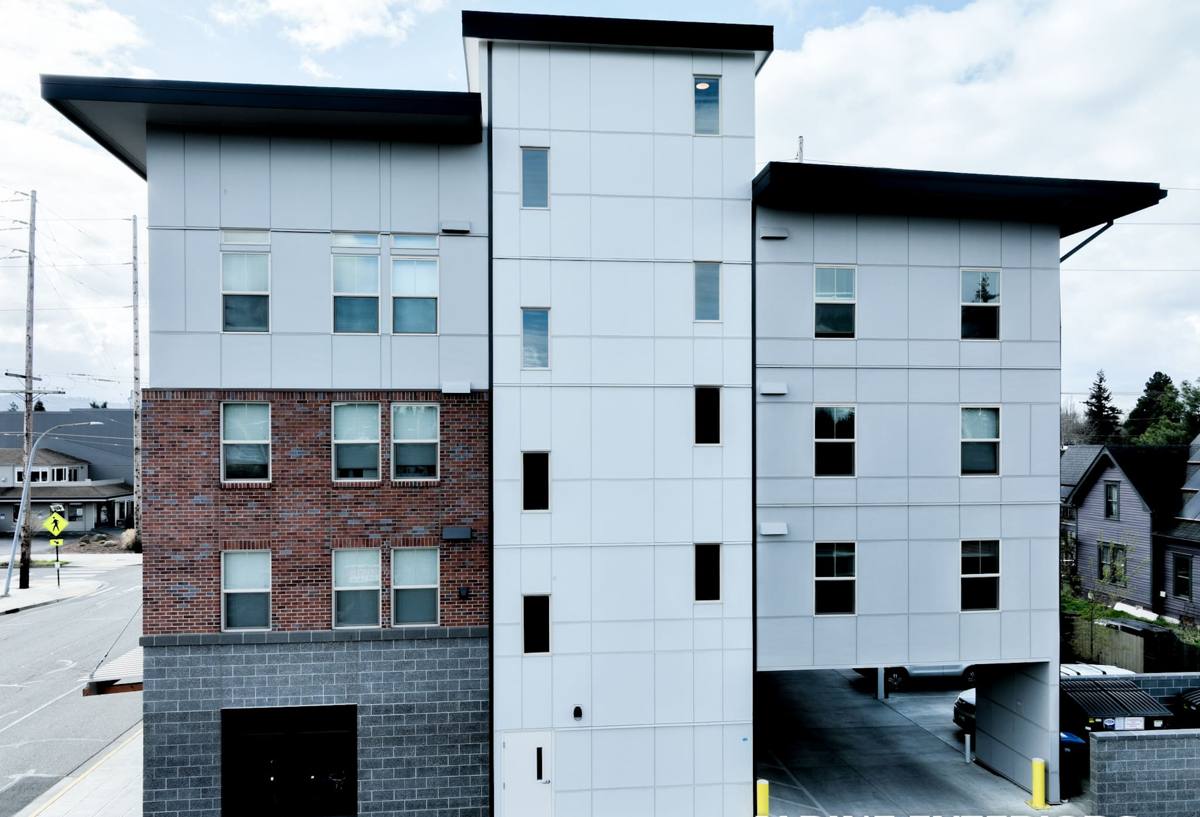
Signs Your St. Pete Beach Home Needs Siding Repair Now
Most siding failures on the beach start small and stay hidden until they're not. Catching them early is the difference between a contained repair and a much larger job. Walk your exterior and look for:
- Cracking or splitting at panel butt joints, especially on Gulf-facing and west-facing walls
- Soft, spongy, or flexible spots when you press on the siding by hand
- Paint or factory finish bubbling, peeling, or chalking in isolated patches rather than evenly across the wall
- Dark streaking or staining just below a seam or trim piece — a strong sign water is tracking behind the surface
- Visible gaps or separation where siding meets trim, corner boards, windows, or doors
- Rust bleed trailing down from fastener heads
- Panels that look warped, bowed, or no longer sit flat against the wall
- Caulk lines that have cracked, pulled away, or turned brittle and chalky
Any one of these on its own might be a minor fix. Several of them together, especially on the same elevation, usually points to a water problem that's been building for a while.
What a Correct Repair Actually Involves
Finding the Cause Before Touching a Board
Replacing a cracked or stained board without figuring out why it cracked or stained is the most common shortcut in this trade, and it's why the same spot so often fails again within a year or two. A correct repair starts by tracing the problem back to its source — failed flashing above a window, a gap in the house wrap, a caulk joint that was never sealed to spec, or a fastener pattern that let water behind the panel instead of shedding it. The visible damage is a symptom. The repair has to address what's causing it, not just what's showing.
Matching Material, Profile, and Finish
Siding comes in specific plank widths, exposures, and profiles, and a mismatched patch is obvious from the sidewalk even if it's structurally sound. On homes with an existing factory-finished product, there's an added wrinkle: factory finish and field-applied repaint don't fade at the same rate, so a repair using the wrong material or an approximate color match can look off for years, not just at first. Getting this right means sourcing the correct product line and the closest available color match, and being upfront with the homeowner when an exact match isn't realistic without repainting the full elevation.
Rebuilding the Water Management, Not Just the Surface
A repair that only replaces the visible board and skips the flashing, house wrap integration, and fastening pattern underneath is a cosmetic fix, not a real one. Correct repair work re-establishes the same water-shedding path the original installation was supposed to have — lapped correctly, flashed at penetrations, and fastened per the manufacturer's spec rather than wherever a screw happens to hit something solid.
Repair or Replace? How We Make the Call
Not every damaged section needs to become a full replacement, and not every repair is worth doing instead of replacing. The honest answer depends on a few factors:
| Factor | Repair Usually Makes Sense | Replacement Usually Makes More Sense |
|---|---|---|
| Extent of damage | Isolated to one or two boards or a single elevation | Spread across multiple walls or recurring in the same areas |
| Underlying moisture | Surface-level, caught early, no rot behind the panel | Water has reached sheathing, framing, or insulation |
| Age of surrounding siding | Siding is mid-life and otherwise sound | Siding is near or past its expected service life |
| Material and color match | Matching product and finish is available | Discontinued profile or color, or product no longer manufactured |
| Cause of failure | One-time or localized installation defect | Systemic issue tied to the material itself in this climate |
Why the Original Siding Material Changes the Repair Conversation
What we're repairing affects what we can honestly recommend. If a home already has James Hardie fiber cement siding — the only product we install on replacement work — repair is usually straightforward: source the correct HZ-line product engineered for this climate, match the ColorPlus factory finish as closely as possible, and rebuild the water management around it correctly.
If a home has vinyl, wood, or another siding type, we'll still repair contained, isolated damage with compatible materials rather than push an unnecessary replacement. But when the damage is recurring, widespread, or points to a problem with how that material handles this environment — warping, moisture retention, repeated caulk failure — patching it again isn't really a fix, it's a delay. That's the point where we'll talk honestly about replacing the affected section or elevation with fiber cement instead, because it's what we've standardized on for a reason: it holds up to salt air, UV, and wind-driven rain in ways that hold up over time, not just on day one.
Our Siding Repair Process for St. Pete Beach Homes
- On-site inspection, including a physical check for soft spots and moisture behind suspect areas
- Diagnosis of the root cause — flashing, sealant, fastening, or a material issue
- A written scope and estimate before any work starts, so there are no surprise add-ons mid-job
- Sourcing the correct matching material, profile, and finish for the repair
- Removing only what's actually compromised — not more, not less
- Rebuilding flashing and water management details behind the new material
- Refastening to manufacturer spec, not just "wherever it holds"
- Final cleanup and a walk-through so you can see exactly what was done and why
Permitting and Barrier-Island Considerations
St. Pete Beach is a barrier island community, and exterior work here can come with a few extra steps that inland St. Petersburg homes don't always face. Depending on the scope of the repair, work may fall under City of St. Pete Beach or Pinellas County permitting requirements, particularly for anything beyond minor cosmetic patching. Coastal Pinellas County also falls within Florida's wind-borne debris building code region, which affects how exterior components are expected to perform and be fastened. If your home is part of a condo association or HOA, exterior repair work — including siding — often requires association review or approval before work begins, so it's worth checking your governing documents early rather than after materials are ordered.
Why Hiring a Crew That Already Works St. Pete Beach Matters
Siding repair on a barrier island isn't the same job as siding repair a few miles inland, and a crew that hasn't worked in this kind of salt-air, high-wind environment regularly will often underestimate what's actually going on behind a damaged panel. A crew already familiar with St. Pete Beach knows the wear patterns that show up here first — which elevations take the worst of the wind-driven rain, how fast fastener corrosion progresses this close to the Gulf, and which caulk and sealant details fail fastest in this exposure. That familiarity also means fewer surprises during the job itself and a more realistic read on what's repair-worthy versus what's not.
It also matters after storms. A local crew can typically respond faster when hurricane season brings wind or debris damage, and doesn't need a learning curve to understand what a St. Pete Beach home has already been through by the time real damage shows up.
If you're seeing cracking, staining, soft spots, or failed caulk on your St. Pete Beach home's siding, we're happy to take a look and give you a straight answer — repair or replace — with no pressure either way. Reach out for a free estimate using the form below.