 St. Petersburg Siding
 Kenneth City sits in the middle of Pinellas County, wedged between St. Petersburg and the Gulf beaches, which means every home here lives with the same weather stack the rest of the peninsula does: long stretches of intense UV, humidity that never really lets up, wind-driven rain that finds every gap in a wall system, and salt-laden air blowing in off the Gulf. None of that is unique to Kenneth City specifically, but the neighborhood's housing stock — a lot of concrete block homes from the mid-20th century, plus additions, garages, and Florida rooms built in wood frame over the decades — means siding decisions here have to account for both the climate and how these homes were actually built.
What Pinellas County Weather Does to Exterior Siding
Siding is the first line of defense between a house and the outdoors, and in this part of Florida that job is harder than almost anywhere else in the country. A few things stack up against any exterior cladding installed here.
UV and Heat Cycling
St. Petersburg gets sun nearly year-round, and constant UV exposure breaks down paint film, causes fading, and — in products that aren't engineered for it — leads to cracking and warping as the material heats and cools day after day. A siding product that looks great going up can look chalky and tired within a few years if it wasn't built to handle this exposure.
Wind-Driven Rain
Rain in Pinellas County rarely falls straight down. Afternoon storms and tropical systems push rain sideways into walls, which means the water-resistive barrier, flashing, and seams behind the siding matter as much as the siding itself. A product or installation that only holds up in calm, vertical rain isn't built for this market.
Salt Air
Kenneth City isn't right on the water, but it's close enough to the Gulf that salt-laden air is a real factor, especially on the west- and south-facing walls of a home. Salt exposure accelerates corrosion on fasteners and trim and speeds up the breakdown of materials that aren't rated for coastal-adjacent conditions.
Hurricane-Force Wind
Pinellas County sits in a high-velocity hurricane zone, and siding attachment has to be engineered for real wind loads, not just nailed up to look right. Fastener spacing, fastener type, and how the product is rated for wind pressure all matter more here than they would in a milder climate.
Kenneth City's Housing Stock and Why It Matters
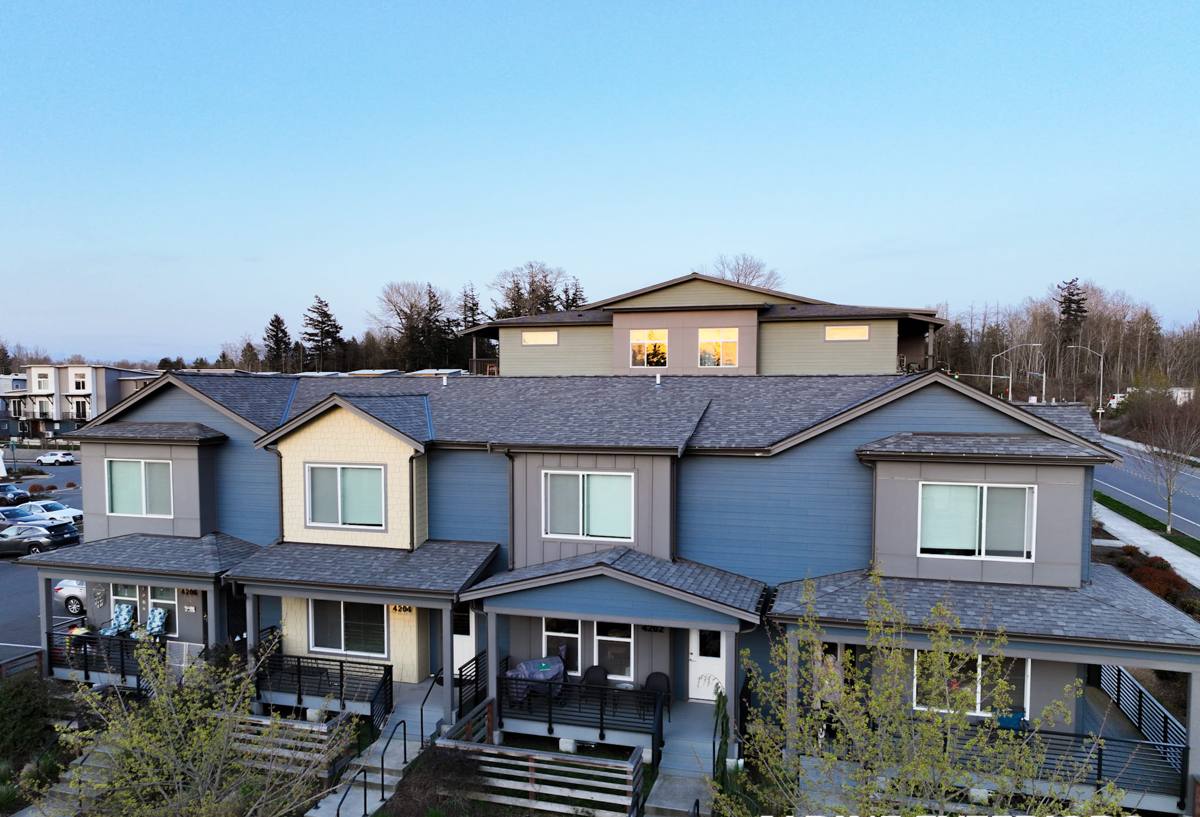
A lot of Kenneth City's homes are concrete block construction from the mid-1900s, often with wood-framed additions, carports converted to living space, or Florida rooms added later. That mix matters for siding work because block walls and wood-frame walls behave differently — different substrates, different moisture behavior, different attachment requirements. A correct installation accounts for what's actually behind the wall, not just what product goes on the outside. Re-siding an addition on an older Kenneth City home isn't the same job as siding a straight wood-frame wall on new construction, and treating it that way is how problems start.
What a Correct Siding Installation Actually Involves
Siding looks simple from the curb — boards go up, seams line up, paint looks even. What actually determines whether it lasts is almost entirely hidden once the job is done.
- Water-resistive barrier: a continuous, properly lapped barrier behind the siding that sheds any water that gets past the cladding.
- Flashing: correctly integrated flashing at windows, doors, and any wall penetration so water is directed out, not trapped inside the wall.
- Fastening pattern: fastener type, spacing, and depth matched to the product manufacturer's specification and the local wind zone — not "close enough."
- Proper clearances: gaps at the bottom of the siding, around roof lines, and at grade so water and moisture have somewhere to go instead of wicking into the material.
- Substrate prep: addressing any rot, damaged sheathing, or moisture issues in the wall before new siding goes over it — covering a problem doesn't fix it.
Skip any one of these steps and the siding may look fine for a season or two before the real cost shows up — moisture intrusion, fastener failure in a storm, or paint and material breakdown years ahead of schedule.
Why We Install Only James Hardie Fiber Cement Siding
We made a decision, as a company, to install only James Hardie fiber cement siding — no vinyl, no LP SmartSide, no primed wood. That's not a marketing position; it's a standard we hold because of what we've seen this climate do to other products over time.
Vinyl softens, warps, and can crack under sustained UV and heat cycling, and it has real limits in high-wind attachment compared to fiber cement. Wood-based and engineered wood products are more sensitive to the sustained humidity and wind-driven moisture that define this region, which raises the maintenance burden and the risk of moisture-related failure if a seam or coating ever gets compromised. James Hardie's fiber cement is non-combustible, doesn't expand and contract with heat the way vinyl does, and its HZ product lines are specifically engineered for climate zones like ours — factoring in moisture exposure and humidity rather than treating Florida the same as a dry inland market. Add in the factory-applied ColorPlus finish, which holds color and resists fading far better than field-applied paint, and a strong transferable warranty, and it's the product we're willing to put our name behind on homes in Kenneth City and across St. Petersburg.
Our Installation Process for Kenneth City Homes
- On-site assessment: we look at the existing wall assembly, substrate condition, and any problem areas — especially on older block homes with wood-frame additions.
- Removal and prep: old siding comes off, damaged sheathing or framing gets addressed, and the wall is prepped for a proper water-resistive barrier.
- Barrier and flashing: a continuous moisture barrier goes on first, with flashing correctly integrated at every window, door, and penetration.
- Hardie installation: siding is installed to manufacturer spec and local wind-zone fastening requirements, with correct clearances at grade, roofline, and trim.
- Finish and detail work: trim, caulking, and touch-up work at cut edges to keep the whole system sealed and weather-tight.
- Final walkthrough: we go over the finished job with the homeowner before calling it done.
What Siding Installation Costs Depend On
Every Kenneth City home is different, so we don't quote a number without seeing the house, but the same factors drive cost on nearly every job.
| Factor | Why It Affects the Job |
|---|---|
| Home size and wall complexity | More square footage, corners, and roof intersections mean more labor and material |
| Substrate condition | Rot, moisture damage, or old wood sheathing behind existing siding needs repair before new siding goes on |
| Siding profile and trim level | Lap width, trim detail, and accessory boards change material and labor cost |
| Removal of existing siding | Tear-off and disposal of old material adds time versus siding over a clean substrate |
| Access and site conditions | Additions, tight lot lines, or two-story sections can add scaffolding and labor time |
Why a Contractor Who Works Kenneth City Regularly Matters
Siding installation isn't just about the product — it's about whether the crew understands how the local building stock and local weather interact. A contractor who regularly works this part of Pinellas County has already seen how block homes and wood-frame additions in this area age, where moisture problems tend to start, and how to detail flashing and fastening for the wind and rain patterns that actually hit St. Petersburg. That local experience shows up in fewer surprises during the job and a finished product that's actually built for what Kenneth City weather will throw at it — not a generic install that happens to be located here.
Signs It's Time to Look at Your Siding
A quick self-check before calling anyone in:
- Visible warping, buckling, or gaps between boards
- Soft or spongy spots when pressed, especially near the bottom of walls or under windows
- Paint that's peeling, bubbling, or chalking heavily rather than just fading evenly
- Staining or discoloration that keeps coming back after cleaning, especially on Gulf-facing walls
- Visible fastener corrosion, rust streaks, or popped nails and screws
- Rising utility bills that might point to compromised insulation behind failing siding
Any one of these on its own might be minor. Several together usually mean the wall assembly behind the siding needs a real look, not just a caulk-and-paint patch.
If you're weighing a full re-side or just want an honest read on what your Kenneth City home's siding actually needs, we're happy to come take a look. The estimate is free, there's no pressure, and you'll get a straight answer about what's going on and what it would take to fix it right.