 St. Petersburg Siding
 Why St. Pete Beach Siding Takes a Different Approach
St. Pete Beach sits on a barrier island, which means every exterior material on your home is dealing with conditions that homes even a few miles inland don't see. Salt-laden air moves off the Gulf and settles on siding, trim, and fasteners around the clock. UV exposure is intense and constant, not seasonal. And when storms roll through, wind-driven rain doesn't fall straight down — it gets pushed sideways, under laps, around corners, and into any gap a mediocre installation leaves behind. Siding installation here isn't just a cosmetic upgrade; it's the first line of defense for the sheathing, framing, and interior of the house.
That combination — salt, sun, and wind — is why we treat siding installation on St. Pete Beach differently than a standard job on the mainland. The material has to hold up to corrosion. The finish has to resist fading under year-round sun. And the installation itself has to be tight enough to shed water in a wind event, not just in a normal afternoon rain.
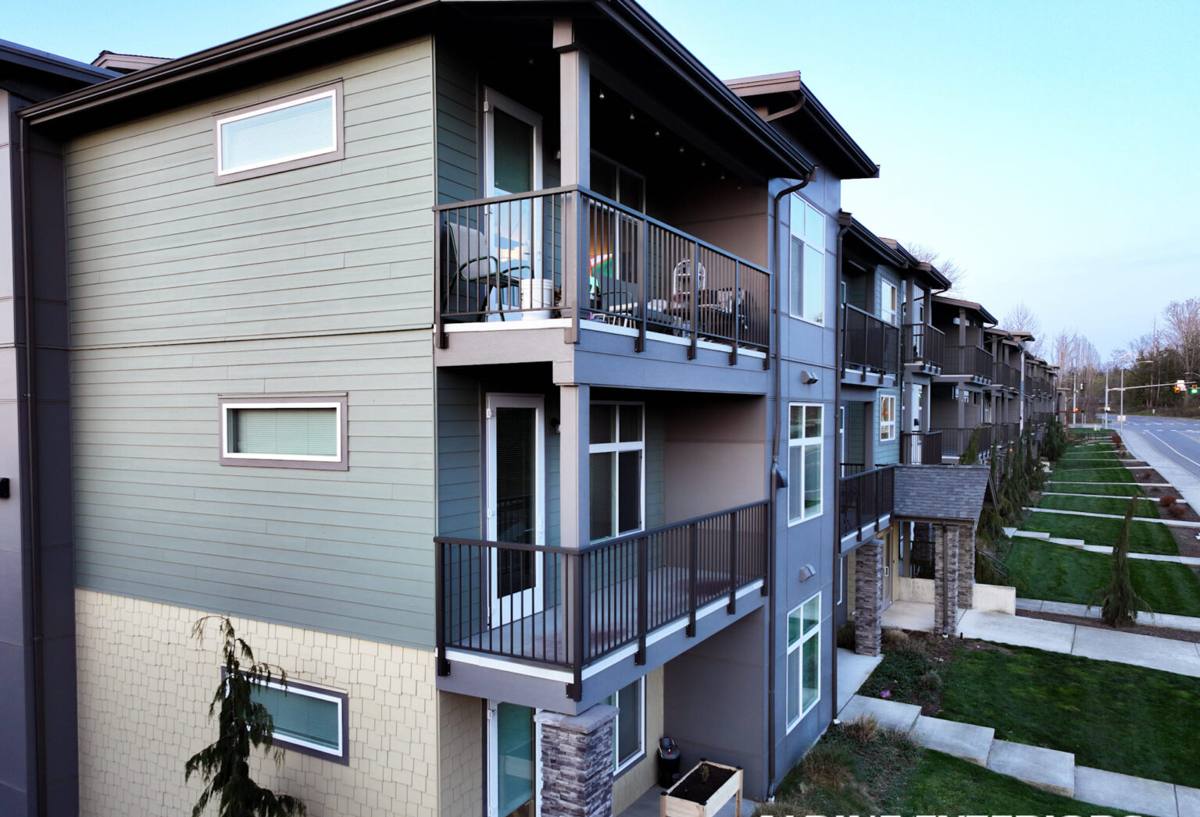
What Barrier Island Homes Actually Need From Their Siding
Corrosion Resistance
Salt air accelerates corrosion on anything metal — fasteners, flashing, trim accessories. Siding materials and installation hardware that aren't rated for coastal exposure will show rust streaks, pitting, and premature failure years before an inland home would see the same wear.
Moisture Management, Not Just Moisture Resistance
Every siding system will get wet. The question is what happens next. A correctly installed system sheds water outward and lets any moisture that gets behind the cladding dry out through a drainage plane, rather than trapping it against the sheathing where it can rot framing or grow mold.
UV and Color Stability
Constant Gulf sun fades and chalks poorly finished siding faster than almost anywhere else in the country. A factory-applied, baked-on finish holds color far longer than field-applied paint, which matters more here than in most parts of the country.
Wind Performance
Pinellas County sits in a high-velocity hurricane zone, and St. Pete Beach's exposure to open water means wind loads on the building envelope are a real design consideration, not an afterthought. Fastener spacing, panel engagement, and edge details all affect how siding performs when wind gets under it.
What a Correct Installation Actually Involves
A lot of siding problems on the island trace back not to the material, but to shortcuts taken during installation. Getting it right involves a specific sequence, done in order, with attention paid to details that don't show up until years later.
- Sheathing inspection: old siding comes off and the sheathing underneath gets checked for rot, delamination, or prior water damage before anything new goes on.
- Weather-resistive barrier: a continuous, correctly lapped moisture barrier goes over the sheathing, with special attention around windows, doors, and penetrations.
- Flashing details: head flashing over windows and doors, kick-out flashing at roof-wall intersections, and proper flashing at any horizontal trim — these are the details wind-driven rain finds first if they're missing.
- Starter strip and clearances: the first course sets the reveal for every course above it, and proper clearance from grade, roofing, and decks keeps the bottom edge of the siding from sitting in standing water.
- Fastener pattern: correct fastener type, spacing, and placement per manufacturer specification — not "close enough" — is what keeps panels engaged in high wind.
- Joint and seam treatment: butt joints, corners, and penetrations get sealed and detailed to shed water outward, not caulked as an afterthought.
- Finish inspection and punch list: a final walk-through catches anything that needs adjustment before we call the job done.
Our Process for St. Pete Beach Homes
We start with an on-site assessment, not a phone estimate. On a barrier island home, we want to see the current siding condition, check the sheathing where we can, and look at exposure — which sides of the house take the worst of the salt air and wind-driven rain, and whether there's anything unusual about the framing or trim that needs planning around before we order material.
From there we walk you through material and color selection, confirm the scope in writing, and schedule the tear-off and installation. Old siding and any compromised sheathing get removed and addressed before new material goes up — we don't install over problems and hope they don't resurface. Once the new siding is up, we do a final inspection against our own checklist before we consider the job complete, and we walk the property with you so you know exactly what was done.
Why We Only Install James Hardie
We install James Hardie fiber cement siding exclusively — we don't install vinyl, LP SmartSide, cedar, or primed spruce. That's a deliberate standard, not a lack of options, and on a barrier island it matters more than almost anywhere else we work.
James Hardie's HZ product lines are engineered specifically for the wind, moisture, and climate demands of regions like ours, which is exactly the exposure St. Pete Beach homes deal with year-round. Fiber cement is non-combustible, doesn't have the heat-expansion and warping issues that plague vinyl in intense sun, and doesn't carry the ongoing moisture and maintenance burden of wood-based products in a salt-air environment. The ColorPlus factory finish is baked on and warranted against fading, which matters a great deal under constant Gulf UV. Backed by a strong transferable warranty and installed to manufacturer specification, it's the product we're comfortable standing behind on a barrier island.
How Common Siding Materials Hold Up in This Environment
| Material | Salt Air / Corrosion | UV / Color Stability | Wind Performance | Long-Term Maintenance |
|---|---|---|---|---|
| James Hardie Fiber Cement (HZ) | Engineered for coastal exposure | Factory-baked ColorPlus finish resists fading | Rated for high-wind zones when installed to spec | Low — no rot, no insect damage |
| Vinyl | Panels themselves don't rust, but can become brittle and stress-crack | Prone to fading and heat warping in intense sun | Can loosen or blow off in high wind if not engineered for the zone | Low upfront, but damage is often not repairable, only replaceable |
| Wood / Primed Spruce / Cedar | Absorbs moisture and salt; accelerates rot | Requires repainting/refinishing on a regular cycle | Performance depends heavily on installation quality | High — ongoing painting, caulking, and moisture monitoring |
| LP SmartSide (engineered wood) | Vulnerable to edge swelling if moisture gets in | Field-applied or factory finish, moderate durability | Adequate when installed correctly | Moderate — moisture intrusion is the main long-term risk |
What Affects the Cost of a Siding Installation Here
Every home is different, but a few factors consistently move the price of a St. Pete Beach siding job:
| Factor | Why It Matters |
|---|---|
| Sheathing condition | Rot or water damage found during tear-off has to be repaired before new siding goes on |
| Home size and complexity | More corners, trim details, and roof lines mean more labor and material |
| Siding profile and accessories | Trim boards, corner treatments, and accent details add cost over a basic lap siding job |
| Access and exposure | Elevated homes, tight lot lines, or difficult site access can affect labor time |
| Tear-off scope | Full removal of old siding versus a smaller repair-and-replace section |
Why a Local St. Pete Beach Crew Matters
A crew that regularly works on the island already understands the exposure differences between a Gulf-front elevation and a bay-side elevation, knows what Pinellas County's permitting and inspection process looks like for exterior work, and has already seen how salt air and wind treat different products and details over time. That experience shows up in the small decisions — flashing choices, fastener selection, where extra sealant detail is worth the time — that a crew unfamiliar with barrier island conditions might not think twice about.
It also matters for accountability. A local contractor is easy to reach if a question comes up after the job, and has a reputation in the area worth protecting.
Signs Your St. Pete Beach Home May Need New Siding
- Visible cracking, buckling, or warping in the current siding
- Soft spots or discoloration near the bottom edge of walls
- Paint or finish that's chalking, peeling, or fading unevenly
- Gaps opening up at seams, corners, or trim boards
- Rising energy bills that suggest the wall assembly isn't performing
- Any sign of moisture or staining on interior walls that share an exterior wall
Get a Straightforward Look at Your Siding
If your St. Pete Beach home's siding is showing its age, or you just want an honest opinion on where it stands, we're glad to take a look. Request a free, no-pressure estimate using the form below and we'll walk the property with you and give you a straight answer on what it needs.