 St. Petersburg Siding
 Why Siding in Crescent Lake Has to Work Harder Than Siding Anywhere Inland
Crescent Lake sits inside St. Petersburg's urban core in Pinellas County, close enough to Tampa Bay and the Gulf that the exterior of every home here is dealing with a tougher combination of forces than a house fifty miles inland ever sees. Hurricane-force wind gusts test how well siding is actually fastened to the wall, not just how it looks. Wind-driven rain gets pushed sideways and upward during storms, which means it finds every seam, joint, and penetration that wasn't detailed correctly. Year-round subtropical UV bakes painted and coated surfaces for close to twelve months rather than a normal three-season exposure. And salt-laden air moving off the bay accelerates corrosion on fasteners, trim, and any material that isn't built to shrug it off. None of these are rare events in St. Petersburg — they're the everyday operating conditions siding has to survive, which is why the material and the installation method both matter more here than they do in most parts of the country.
A siding job that looks fine on install day but wasn't built for this climate tends to show its weaknesses within a few years: swelling at butt joints, paint failure on south- and west-facing walls, fastener corrosion, or moisture finding its way behind the cladding after a hard summer storm. A siding job built for Crescent Lake's actual conditions is designed to still look and perform the same way a decade later.
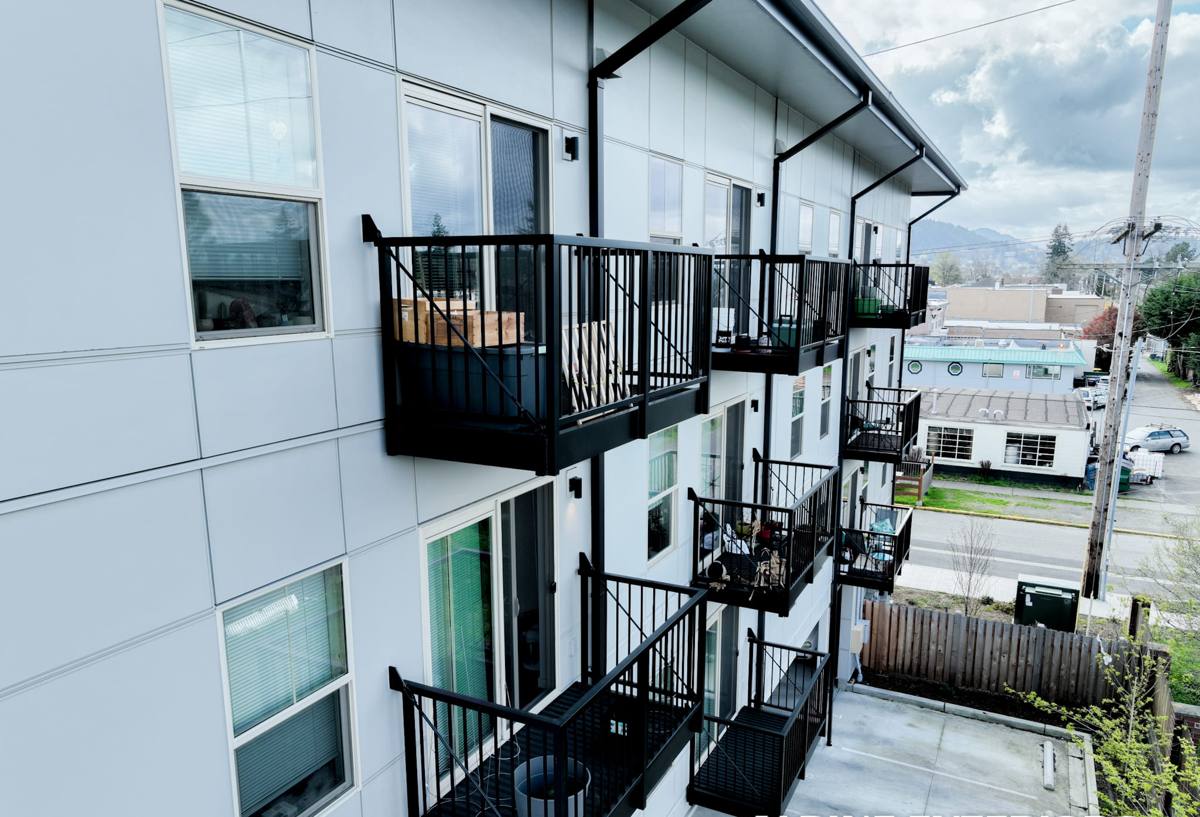
What Crescent Lake's Housing Stock Means for a Siding Project
Homes in and around Crescent Lake range from longtime St. Petersburg properties to more recently updated or rebuilt houses, which means no two siding jobs in this neighborhood look exactly alike. Older homes often have wall assemblies, window openings, and trim details that were never designed around today's fiber cement products, so a correct installation has to account for what's actually behind the existing exterior rather than assuming a clean, modern substrate. Homes that have already been through a renovation may have a mix of materials and flashing details from different eras, which needs to be evaluated rather than covered over. In every case, the right approach starts with understanding what's on the wall now — not just what's going back on.
What a Correct Siding Installation Actually Involves
Siding is a system, not a single product nailed to a wall. In a climate like St. Petersburg's, every layer of that system has to do its job or the whole assembly is only as strong as its weakest point.
Weather-Resistant Barrier and Water Management
Behind every panel of siding is a water-resistive barrier whose job is to stop any moisture that gets past the cladding from reaching the sheathing and framing. In a market with as much wind-driven rain as St. Petersburg, this layer isn't optional or interchangeable — it needs to be installed with correctly lapped seams, sealed penetrations, and proper integration at windows, doors, and roof lines. A siding crew that treats the barrier as an afterthought is setting the home up for hidden moisture problems that won't show up until the drywall or sheathing underneath is already damaged.
Fastening for Wind Resistance
Fiber cement siding has documented fastening requirements — nail type, spacing, and penetration depth — that are engineered to hold up under wind load. Those requirements get more important, not less, in a hurricane-prone county like Pinellas. Under-fastened or improperly spaced siding is one of the most common reasons siding fails during high wind events, and it's a detail that's invisible once the job is finished, which is exactly why it has to be done right the first time.
Trim, Flashing, and Penetration Details
Every place where siding meets something else — a window, a door, a vent, a hose bib, a light fixture — is a place water can get in if it's not flashed correctly. Around Crescent Lake's mix of home styles and past renovations, these transition points are often where a rushed or lower-bid installation cuts corners. Correct flashing and sealant work at every penetration is what actually keeps wind-driven rain out, not the caulking that gets smeared on top after the fact.
Why We Install Only James Hardie Fiber Cement
We standardized on James Hardie fiber cement siding and don't install vinyl, LP SmartSide, Cemplank, Allura, or primed wood products, because in this climate the trade-offs on those alternatives are real and they show up over time, not on install day. Hardie fiber cement is non-combustible, holds paint and color far more consistently under intense UV than vinyl or engineered wood, and doesn't have the moisture-related failure points that wood-based siding products can develop at cut edges and seams in a humid, rain-heavy market. Hardie's ColorPlus factory-applied finish is baked on under controlled conditions and backed by its own finish warranty, which is a meaningfully different proposition than field-applied paint that has to be maintained and eventually redone. Hardie also engineers specific HZ product lines for high-humidity, storm-prone climate zones like ours, rather than selling one generic product everywhere. Combined with a strong transferable product warranty, that's the combination we're willing to put our name behind on a home in St. Petersburg.
Our Installation Process for Crescent Lake Homes
Assessment and Site Evaluation
Every job starts with a look at the home's current siding, trim, and any signs of existing moisture intrusion, along with the specific exposure the house has to sun, wind, and rain based on its orientation and surroundings. This is also where we talk through Hardie's product lines and profiles and figure out which fits the home and the owner's preferences.
Preparation and Removal
Old siding comes off, and the wall sheathing underneath gets inspected for rot, water damage, or anything that needs to be addressed before new siding goes on. Covering up a problem instead of fixing it is how a siding job turns into a bigger repair a few years down the road.
Installation
The weather-resistive barrier goes on first and is detailed at every seam and penetration, followed by flashing at windows, doors, and other transitions. Hardie panels, planks, or shingles are then installed to manufacturer fastening specifications for wind resistance, with trim and joints finished to shed water rather than trap it.
Final Walkthrough
We walk the finished exterior with the homeowner, check every seam and penetration, and go over the maintenance and warranty paperwork so there's a clear record of what was installed and what's covered.
What Affects the Cost of a Siding Job in Crescent Lake
Every home is different, but the same handful of factors tend to drive the price of a Hardie siding installation in this part of St. Petersburg. Understanding them up front makes it easier to compare quotes accurately.
| Cost Factor | Why It Matters Here |
|---|---|
| Condition of existing sheathing | Older homes may need repair or replacement of damaged sheathing found once old siding is removed |
| Home size and wall complexity | Dormers, multiple gables, and cut-up wall lines take more labor and trim work than a simple rectangular footprint |
| Siding profile and product line | Lap, shingle, and panel profiles carry different material and labor costs, and Hardie's HZ lines are priced for their engineered climate performance |
| Trim and accessory scope | Fascia, soffit, and trim work done alongside siding adds cost but avoids mismatched materials and future callback issues |
| Access and site conditions | Lot size, landscaping, and how close neighboring structures sit can affect staging and labor time |
Why Hiring a Crew That Already Works Crescent Lake Matters
A contractor who regularly works in St. Petersburg's older, in-city neighborhoods has already run into the wall conditions, trim details, and permitting realities that come with this kind of housing stock. That experience shows up in fewer surprises mid-project and a more accurate estimate up front. Before hiring anyone for a siding job in this area, it's worth asking:
- Are you licensed and insured to work in Pinellas County, and can you provide proof?
- Do you install to James Hardie's published fastening and clearance specifications, or a generic standard?
- How do you handle sheathing repair if damage is found once old siding comes off?
- What's your approach to flashing and sealing around windows, doors, and penetrations?
- Is the manufacturer's warranty registered in the homeowner's name after the job is done?
- Can you explain, in plain terms, why you recommend the specific Hardie product line for this house?
A crew that can answer all of those clearly, without hedging, is one that's actually done the work before — not just sold it.
Living With Hardie Siding Long-Term in St. Petersburg's Climate
Correctly installed Hardie siding is genuinely low-maintenance, but "low-maintenance" doesn't mean "no attention." A periodic rinse to clear salt residue and airborne grime, prompt attention to any caulking that starts to fail around trim or penetrations, and keeping an eye on areas where sprinklers or downspouts direct water repeatedly at the wall will keep the siding performing the way it's designed to for decades. Because ColorPlus finishes are factory-applied and warrantied, homeowners in this climate also avoid the repainting cycle that wood and some engineered siding products require every several years just to keep up with Florida's UV exposure.
If you're planning a siding project for a home in or around Crescent Lake, we're happy to take a look and walk you through what your specific house needs — no pressure, no obligation. A free estimate is the easiest way to get real numbers and a clear plan instead of guessing.