 St. Petersburg Siding
 Roof Repair Built for Pinellas Park's Climate
Pinellas Park sits in the middle of the peninsula that makes up Pinellas County, close enough to both Tampa Bay and the Gulf to catch the worst of what Florida weather has to offer. Roofs here don't fail because of one big event most of the time — they fail from a slow accumulation of stress: months of intense UV baking the shingles, sudden afternoon downpours driven sideways by wind, and salt-laden air working into metal fasteners and flashing year after year. When a named storm does roll through, it usually finds the weak points that sun and rain already created.
That's the case for treating roof repair as a local specialty rather than a generic service. A repair that holds up in a dry, mild climate can fail here within a season if it wasn't done with Gulf Coast conditions in mind. We work on homes throughout the St. Petersburg and Pinellas Park area regularly, and the patterns repeat: certain roof types, certain ages, and certain details fail in predictable ways under this climate.
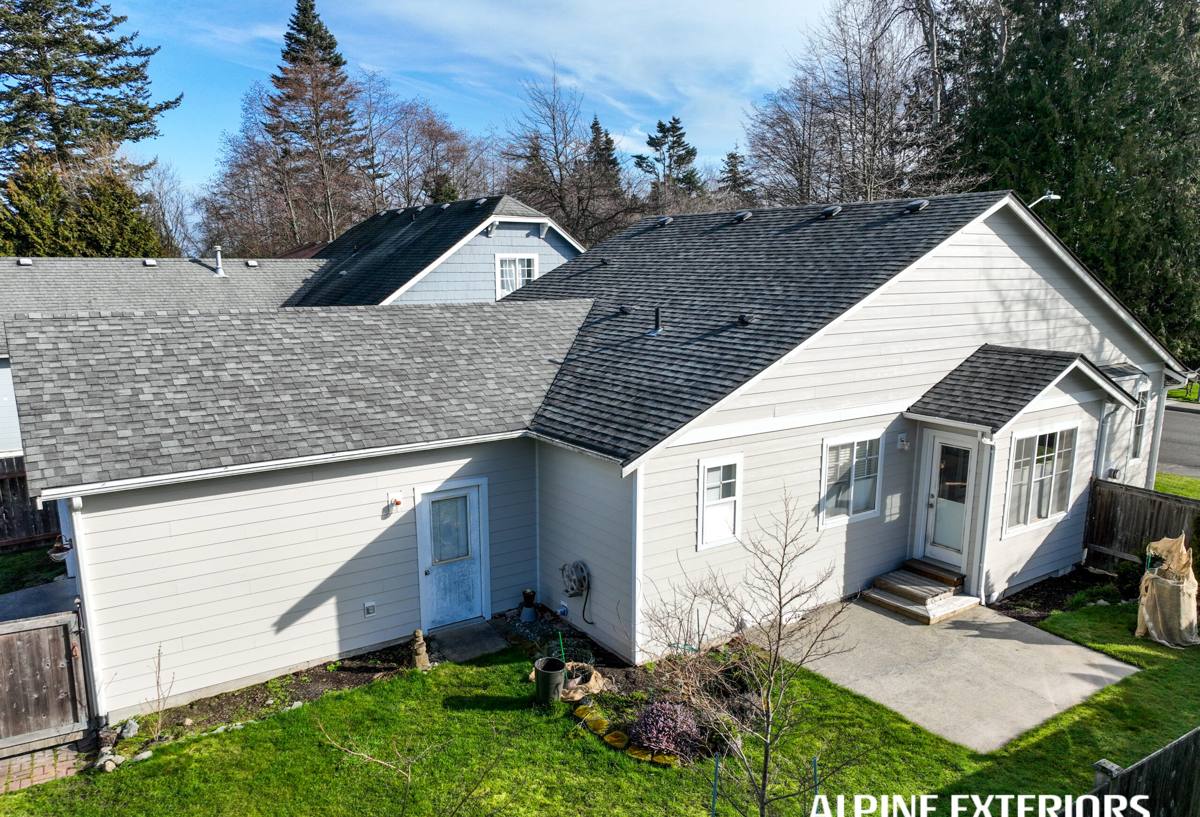
What Pinellas Park's Climate Actually Does to a Roof
Year-Round UV Exposure
Florida doesn't get a real winter break from sun exposure. Asphalt shingles lose their protective granules and the asphalt underneath dries out and becomes brittle over years of constant UV load. Once shingles lose flexibility, they crack instead of flexing with temperature swings and wind uplift, and that's when water starts finding its way underneath.
Wind-Driven Rain
A lot of Pinellas Park's rain doesn't fall straight down — it comes in at an angle during thunderstorms and tropical systems, which pushes water sideways under shingle edges, around vent pipes, and into flashing laps that would never leak in a calmer climate. Roofs here need underlayment and flashing details that assume water will be pushed uphill occasionally, not just downhill.
Salt Air
Even set back from the immediate coastline, Pinellas Park gets enough salt-laden air off Tampa Bay and the Gulf to accelerate corrosion on exposed metal — nail heads, drip edge, flashing, and vent boots. Corroded fasteners lose their grip on shingles, and pitted flashing metal develops pinholes that let water through long before the roof looks obviously damaged.
Hurricane-Force Wind Events
Tropical storms and hurricanes put sustained uplift pressure on the roof edges and corners, which is where shingles are most likely to peel back if they weren't properly sealed or nailed to begin with. A roof that's already weakened by sun and salt damage is far more likely to lose shingles or take on water during a wind event than a well-maintained one.
Common Repair Issues We See on Pinellas Park Roofs
- Cracked, curling, or missing shingles, usually concentrated on the sun-exposed south and west slopes
- Flashing failures around chimneys, skylights, and roof-to-wall transitions where two different materials meet
- Leaks around vent pipe boots, which are usually rubber or plastic and degrade faster than the roofing material around them
- Soft or rotted decking under valleys and low-slope sections where water tends to pool or slow down
- Fascia and soffit damage from long-term gutter overflow or wind-driven rain intrusion at the eaves
- Nail pops and lifted shingle tabs from wind events that weren't strong enough to cause visible storm damage but were enough to break the seal
- Granule loss and exposed asphalt on older shingle roofs, a sign the roof is past its effective protective life even without an active leak
What a Correct Roof Repair Actually Involves
A roof repair that lasts starts with figuring out where the water is actually getting in — which is often not where the stain shows up inside the house. Water can travel along rafters or decking before it drips through drywall, so a repair that only patches the interior stain's apparent source can miss the real entry point entirely.
Once we've traced the source, a proper repair means removing enough of the surrounding material to see the extent of the damage, not just covering the visible hole. If the decking underneath is soft or delaminated, that section gets replaced before any new shingles or flashing go back down — patching over rotten decking just delays a bigger repair. Flashing gets rebuilt to shed water correctly, not just resealed with caulk, since caulk is a short-term fix, not a flashing repair. New shingles get tied into the surrounding roof with proper overlap and nailing patterns so the repaired section performs the same as the rest of the roof in wind and rain.
Our Roof Repair Process
- Inspection and diagnosis: We get on the roof (or use other means when conditions call for it) to trace the actual leak path, check flashing, vents, and decking condition, and look at the overall age and health of the roofing material — not just the spot that's leaking.
- Honest assessment: We tell you plainly whether this is a repair situation or whether the roof is old enough or damaged enough that repair would just be a short-term patch on a system near the end of its life.
- Written scope and estimate: You get a clear explanation of what's being replaced, why, and what it costs before any work starts — no surprise add-ons once the tear-off begins.
- Repair work: Damaged decking, flashing, underlayment, and shingles get replaced and properly tied into the surrounding roof, matching material where possible so the repair doesn't stand out or create a new weak seam.
- Cleanup and check: We clear debris and nails from the property and do a final check of the repaired area and surrounding roof for anything else worth flagging while we're up there.
Repair or Replace? What Actually Decides It
| Factor | Leans Toward Repair | Leans Toward Replacement |
|---|---|---|
| Roof age | Under 12-15 years, shingle roof in otherwise good shape | Approaching or past manufacturer's expected service life |
| Extent of damage | Isolated to one section, vent, or flashing detail | Multiple leak points or widespread granule loss |
| Decking condition | Solid, dry decking around the damaged area | Soft or rotted decking in multiple spots |
| Storm history | Minor wind or debris damage to a limited area | Significant wind uplift or impact damage across the roof |
| Insurance situation | Damage doesn't meet claim thresholds | Documented storm damage supports a full-roof claim |
Most of the time the right answer is obvious once we're actually on the roof. Where it's genuinely a close call, we'll walk you through the trade-offs rather than push you toward the bigger job.
What Affects the Cost of a Roof Repair
| Cost Factor | Why It Matters |
|---|---|
| Size of the damaged area | A single flashing repair costs far less than replacing a full section of shingles and decking |
| Decking replacement needed | Rotted plywood or boards under the roofing material add labor and material cost beyond the surface repair |
| Roof pitch and accessibility | Steep or hard-to-reach sections take longer and require more safety setup |
| Material match | Matching older or discontinued shingle colors and profiles can take more sourcing time |
| Number of penetrations | Roofs with more vents, pipes, and skylights have more flashing details that can need attention in one visit |
We won't quote a number without seeing the roof — anyone who does is guessing. What we can say honestly is that a targeted repair almost always costs a small fraction of a full replacement, which is exactly why catching problems early matters.
Signs Your Pinellas Park Roof Needs a Repair Call
- Water stains on ceilings or upper walls, especially ones that appear or grow after heavy rain
- Visible curling, cracking, or missing shingles from the ground
- Granules collecting in gutters or at downspout outlets
- Daylight visible through the roof deck from inside the attic
- Soft spots when walking the roof, or sagging visible from the ground
- Rusted or lifted flashing around chimneys, vents, or skylights
- A recent storm with high winds, even if no leak has shown up yet
Why Hiring a Crew That Already Works Pinellas Park Matters
Roofing done right in Pinellas Park isn't the same job as roofing done right somewhere with a mild, dry climate. A crew that works this area regularly already knows which flashing details tend to fail first under salt air, which shingle lines actually hold up to sustained Gulf Coast sun, and how to detail a repair so it survives wind-driven rain instead of just looking finished. That local pattern recognition is what keeps a repair from becoming a repeat visit twelve months later.
It also means faster response after a storm. When wind events roll through St. Petersburg and the surrounding Pinellas County communities, a contractor already working in the area can typically get to an active leak sooner than a crew traveling in from farther away — and a tarped, protected roof in the first day or two after a storm can be the difference between a contained repair and a much bigger interior damage claim.
Maintenance That Extends the Life of a Repair
- Keep gutters clear so water doesn't back up under the roof edge during heavy rain
- Trim back tree limbs that overhang the roof to reduce debris buildup and abrasion damage
- Have the roof looked at after any significant wind event, even without visible leaks
- Address small issues — a lifted shingle tab, a small flashing gap — before the next big rain, not after
- Keep an eye on attic ventilation; poor airflow accelerates heat damage to shingles from underneath
If you're dealing with a leak, storm damage, or just want an honest opinion on what shape your roof is really in, we're happy to take a look. The estimate is free, there's no pressure to sign anything on the spot, and you'll get a straight answer about whether it's a repair or something bigger — use the form below to get started.