 St. Petersburg Siding
 Why Pinellas Park Roofs Wear Out Faster Than the National Average
Pinellas Park sits inland from the open Gulf and Tampa Bay, but "inland" in Pinellas County still means salt-laden air moving through on the prevailing breeze, near-constant UV exposure, and the same hurricane risk as anywhere else on the peninsula. A roofing system here works harder, year-round, than the same materials would in most other parts of the country. UV breaks down asphalt oils and shingle adhesives faster. Afternoon heat cycles expand and contract roofing materials daily. Humidity and salt air corrode exposed fasteners and flashing over time. And every named storm puts wind uplift stress on the roof deck, the underlayment, and every nail holding the covering down.
None of that means a roof in Pinellas Park is doomed to fail early — it means the installation has to account for these conditions from the start. A roof replacement done to minimum spec, with shortcuts on underlayment or fastening, tends to show its age in five to eight years instead of the fifteen to twenty-five it should deliver. That gap is almost always in the details you can't see once the shingles or panels are down.
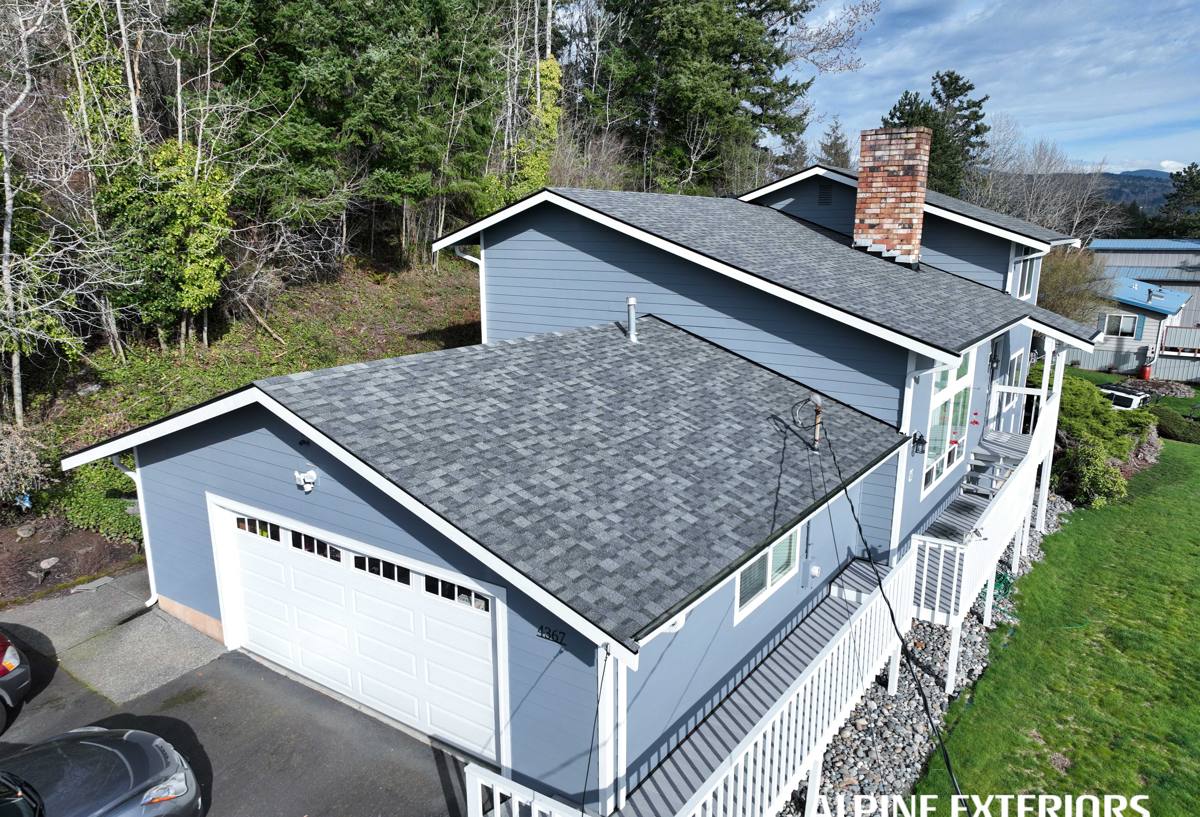
What a Correct Roof Replacement Actually Involves Here
Tear-Off and Deck Inspection
A full tear-off is the only way to know what's underneath. We remove the old roofing down to the deck, then inspect every sheet of plywood or OSB for soft spots, delamination, and old fastener holes. In Pinellas County's humidity, deck rot can hide under roofing that still looks intact from the ground. Any damaged decking gets replaced before anything new goes down — covering over a soft deck is one of the most common shortcuts that leads to early failure.
Underlayment and Secondary Water Barrier
Florida Building Code requires roof assemblies in this region to resist wind-driven rain, which is a different problem than plain rainfall. That means a properly installed underlayment system, and in many cases a self-adhering secondary water barrier at valleys, eaves, and penetrations, so that if wind ever drives water past the primary roofing material, the deck itself stays dry. This is one of the details that separates a code-minimum job from one built for how storms actually behave here.
Flashing and Ventilation
Every wall intersection, chimney, skylight, and vent pipe is a place water can find a way in if flashing isn't formed and lapped correctly. We also balance intake and exhaust ventilation — usually soffit vents paired with ridge or box vents — so the attic isn't trapping heat and moisture that shortens the life of the roof deck from underneath.
Wind-Rated Installation
The materials matter, but so does the nailing pattern, fastener count, and how the manufacturer's wind-rated installation instructions are followed. A shingle rated for high wind speeds that's installed with a standard nailing pattern doesn't perform to that rating. This is inspected work, and it's checked before we consider the job done.
Choosing a Roofing System for a Pinellas Park Home
Most homes in this area are re-roofed in asphalt shingle, though metal and tile both show up, especially on newer builds or full renovations. Each has real trade-offs for this climate, not just a price difference.
| System | Typical Lifespan | Heat & UV Behavior | Wind Performance | Maintenance |
|---|---|---|---|---|
| Architectural asphalt shingle | 15-25 years | Absorbs heat; granule loss over time from UV | Good when installed to rated spec | Periodic inspection, moderate |
| Standing seam metal | 30-50 years | Reflects more heat; minimal UV degradation | Excellent when properly fastened | Low; check fasteners and sealant points |
| Concrete or clay tile | 30-50+ years | Handles heat well; heavy mass helps insulate | Good when properly attached; individual tiles can crack from impact | Moderate; occasional tile replacement |
There's no single "right" choice for every house — it depends on the roof structure's ability to carry weight (tile is heavy), budget, and how long you plan to own the home. We'll walk through the honest trade-offs for your specific roof rather than push whatever's easiest to sell.
How We Handle a Roof Replacement, Start to Finish
- On-site inspection of the current roof, attic, and decking, with photos and a written scope of work
- A clear estimate covering materials, labor, disposal, and permit costs — no vague allowances
- Permit pulled through the local building department before any work starts
- Material delivery timed to avoid sitting exposed on-site longer than necessary
- Full tear-off, deck inspection, and any necessary sheathing repair
- Underlayment, flashing, and ventilation work, installed to current Florida Building Code wind requirements
- Roofing installation following the manufacturer's wind-rated specifications
- Full site cleanup, including a magnetic sweep for stray nails
- Final walkthrough, permit close-out inspection, and warranty paperwork handed over
Signs a Pinellas Park Roof Needs Replacing, Not Just Patching
A repair makes sense for isolated damage on a roof that's otherwise sound. Replacement becomes the honest recommendation when the problems are systemic. Watch for:
- Heavy granule loss showing bare asphalt, or granules collecting in gutters
- Shingles that are curling, cupping, or cracking across multiple areas of the roof
- More than one active leak, or leaks in different rooms after rain
- Soft or spongy spots you can feel when walking the roof
- Visible sagging in the roofline
- Deck staining, daylight, or damp insulation visible from inside the attic
- A roof at or past the manufacturer's rated lifespan, regardless of how it looks from the street
- Missing or lifted shingles after a named storm, especially in clusters
Permits, Wind Mitigation, and Insurance in Pinellas County
Roof replacements in Pinellas Park require a permit, and inspections happen at set points during the job — this isn't optional paperwork, it's what confirms the work meets current code. It's also worth knowing that a new roof, installed and documented correctly, can qualify a home for a wind mitigation inspection that may lower windstorm insurance premiums. Many insurers in this part of Florida also request a four-point inspection on older homes, and roof condition is one of the four items they're checking. Keeping thorough documentation of the permit, materials, and final inspection isn't just for our records — it's what you'll want on hand for your insurance carrier.
Why It Matters to Hire a Crew That Already Works in Pinellas Park
After a hurricane or major wind event, roofing demand in Pinellas County spikes fast, and out-of-town crews that show up to chase storm work often disappear once the season's over — leaving warranty claims with nowhere to go. A crew that's based in St. Petersburg and already working in Pinellas Park has a reason to stand behind the work years later. There's also a practical advantage during the job itself: familiarity with the local permitting process and inspectors means fewer delays, and proximity means we can respond quickly if a storm is in the forecast mid-project or a warranty question comes up after the fact.
What Drives the Cost of a Roof Replacement
Every roof is different, so a real number only comes from an on-site look. But these are the factors that move the price up or down on most Pinellas Park homes:
| Factor | Why It Matters |
|---|---|
| Roof size and pitch | More square footage and steeper slopes mean more material and labor time |
| Existing layers to remove | Tear-off of multiple old layers adds labor and disposal cost |
| Decking condition | Rotted or delaminated sheathing has to be replaced before roofing goes on |
| Material choice | Asphalt, metal, and tile carry different material and installation costs |
| Roof complexity | Valleys, dormers, chimneys, and skylights all add flashing work |
| Permit and disposal fees | Set by the local jurisdiction and the volume of tear-off debris |
After the Install: Keeping a New Roof Performing in This Climate
A correctly installed roof still benefits from basic upkeep in this environment. Walk the roofline (or have it checked) after any major storm for lifted or missing shingles. Keep gutters clear so water isn't backing up under the roof edge. Trim back tree limbs that overhang the roof, since falling debris and shade that traps moisture both shorten roof life. And if you notice granules building up in the gutters years down the road, that's worth a look before it turns into a leak.
If your roof is showing its age, took storm damage, or you just want an honest read on how much life it has left, we're happy to come out and take a look. The estimate is free, there's no pressure to sign anything on the spot, and you'll get a straight answer about whether you need a full replacement or just a repair.