 St. Petersburg Siding
 Why Gulfport's Waterfront Setting Changes the Roofing Equation
Gulfport sits right on Boca Ciega Bay, which means homes here take a different kind of beating than a house a few miles inland. The roof isn't just shedding rain — it's absorbing salt-laden air off the water every day, baking under intense Florida sun for most of the year, and, during hurricane season, getting tested by sustained winds and wind-driven rain that finds every weak seam. A roofing product that performs fine in a drier, calmer climate can start showing problems here years ahead of schedule. That's the backdrop for why we get so many metal roofing calls from Gulfport specifically, as opposed to more general inland parts of St. Petersburg.
Metal roofing isn't automatically the right answer for every home, but for houses exposed to this bay-front combination of wind, UV, and salt air, it solves problems that shingles simply can't. The rest of this page walks through what that actually means in practice — not marketing language, just what a correct installation involves and why it matters here.
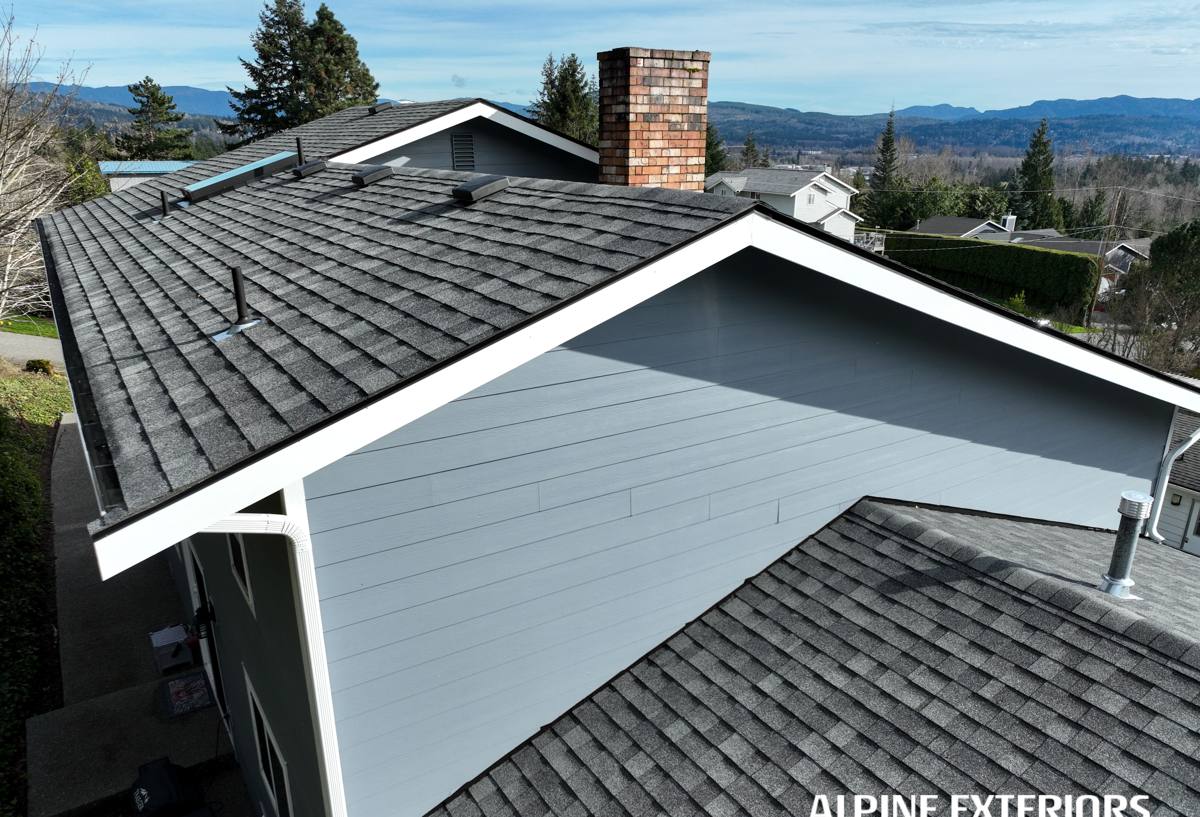
What Gulfport's Climate Actually Does to a Roof
Wind
Pinellas County isn't classified as a High-Velocity Hurricane Zone the way Miami-Dade and Broward are, but Florida Building Code still requires roofing systems here to be engineered for high wind-uplift pressures, and waterfront neighborhoods like Gulfport see some of the strongest sustained gusts in the county during tropical systems. Wind doesn't just tear off loose material — it gets under edges and seams and pries upward. A roof that isn't fastened and detailed correctly for uplift resistance is a roof that fails at the edges first.
UV exposure
Florida gets more annual sun hours than almost anywhere else in the country, and that constant UV load degrades roofing materials from the surface down. Asphalt shingles lose their granules and oils over years of that exposure, which is a big part of why shingle roofs age faster here than in cooler climates. Metal roofing with a quality factory-applied finish handles UV very differently — it doesn't rely on surface granules to protect itself.
Wind-driven rain
During a tropical system, rain doesn't fall straight down — it comes in sideways, sometimes at a steep upward angle off the water. That means underlayment, flashing, and fastener sealing matter as much as the roofing panels themselves. A roof that's watertight in a normal downpour can still leak in wind-driven rain if the underlying details weren't built for it.
Salt air
This is the factor people underestimate most. Salt in the air accelerates corrosion on any exposed metal — fasteners, flashing, HVAC equipment, and the roofing material itself if it isn't rated for a coastal environment. Being close to the bay means Gulfport homes deal with a heavier salt load than properties further inland, which changes what fastener types, coatings, and even which metal alloys are appropriate.
Why Metal Roofing Holds Up Well in This Environment
When it's specified and installed correctly for a coastal property, metal roofing addresses each of the issues above directly:
- Wind resistance: Standing seam and properly fastened panel systems carry high wind-uplift ratings and don't have individual tabs that can catch and peel like shingles.
- UV stability: Quality factory finishes (like PVDF-based coatings) are formulated to resist fading and chalking under sustained, intense sun exposure.
- Water shedding in wind-driven rain: Continuous panel runs and properly lapped seams give wind-driven rain fewer entry points than a shingle field's many small seams.
- Longevity: A correctly installed metal roof can outlast two or three shingle roofs, which matters when you're weighing the higher upfront cost against decades of avoided reroofing.
None of that means metal roofing is maintenance-free near the water — it isn't. It means the failure points are different and, when the system is specified correctly, much less frequent.
Panel Type, Coating, and Fastener Choices That Matter Near the Bay
Not all metal roofing is built the same, and this is where a lot of the real decision-making happens. The table below covers the main options homeowners in Gulfport typically weigh against each other.
| Option | How it's fastened | Coastal suitability | Typical trade-off |
|---|---|---|---|
| Standing seam | Concealed clips, no exposed screws through the panel face | Best fit for salt-air exposure — no exposed fastener heads to corrode over time | Higher material and labor cost than exposed-fastener panels |
| Exposed-fastener panels | Screws driven through the panel face into decking or purlins | Workable, but exposed fasteners need routine inspection and eventual replacement | Lower upfront cost, more long-term maintenance |
| Metal shingles/tiles | Interlocking panels, concealed fasteners | Good option where a homeowner wants a traditional look with metal's performance | More seams than standing seam, so detailing quality matters more |
| Steel vs. aluminum substrate | — | Aluminum resists salt corrosion inherently better than steel; steel needs a robust protective coating near the water | Aluminum often costs more per square |
For homes directly exposed to bay winds and salt spray, we typically steer clients toward standing seam with a coastal-grade coating and, where budget allows, aluminum over steel. That's not a knock on exposed-fastener systems — they're a legitimate, widely used product — but they carry more long-term upkeep in a salt-air environment, and we'd rather set that expectation up front than have a homeowner discover it in year six.
Fasteners and flashing deserve as much attention as the panels
A premium panel installed with the wrong fasteners or poorly detailed flashing will still fail early. Near the water, we specify corrosion-resistant fasteners rated for coastal use, and we pay particular attention to any point where the roof meets a wall, chimney, vent, or another roof plane — those transitions are where wind-driven rain finds its way in.
What a Correct Metal Roof Installation Actually Involves
A metal roof is only as good as the system underneath it. Here's what should happen on a properly done job:
- Deck inspection and repair. Any soft, rotted, or moisture-damaged decking gets replaced before anything else goes down — installing over a compromised deck just hides a problem.
- Underlayment. A synthetic or self-adhering underlayment rated for high heat and wind-driven rain goes down as the roof's real waterproofing layer, since panels alone aren't the only line of defense.
- Ventilation check. Proper intake and exhaust ventilation keeps attic heat and moisture from building up under the metal, which protects both the roof assembly and the home's energy efficiency.
- Fastening pattern. Clips or fasteners are spaced and installed according to the wind-uplift rating the system needs to meet for this area — not just "however the crew usually does it."
- Flashing and penetrations. Every vent, pipe boot, and roof-to-wall transition gets properly flashed and sealed, since these are the most common leak points on any roof type.
- Galvanic corrosion prevention. Dissimilar metals in contact with each other (say, the wrong fastener against the wrong panel alloy) can corrode faster through galvanic reaction — this gets accounted for in material selection, which matters more in a salt-air environment than almost anywhere else.
How Our Process Works for Gulfport Homes
We keep the process straightforward and don't ask homeowners to make decisions they don't have enough information for:
- On-site assessment: We look at the existing roof, decking condition, ventilation, and any specific exposure issues tied to the home's position relative to the water and prevailing wind.
- Written scope and options: You get a clear breakdown of panel type, coating, fastener approach, and what each option costs — not a single take-it-or-leave-it quote.
- Permitting: Metal roof replacements require a permit; we handle the application and coordinate inspections so you're not chasing paperwork.
- Installation: Deck repair, underlayment, and panel installation happen in sequence with attention to the flashing and fastening details covered above.
- Final walkthrough: We go over the completed roof with you, including care and maintenance notes specific to the coastal environment.
Permits, Wind Ratings, and Insurance Considerations
Any full roof replacement in Pinellas County requires a building permit, and the roofing system has to meet Florida Building Code wind-uplift requirements for this region. A correctly documented, code-compliant metal roof installation can also qualify for wind mitigation credits on your homeowners insurance — insurers in coastal Florida markets generally recognize the wind performance of a properly installed metal roof. We're not insurance agents and won't promise a specific discount, but we do provide the documentation (permit closeout, product specifications, installation certification) that insurers typically ask for when evaluating wind mitigation credits, so it's worth asking your carrier what they require.
Cost Factors Homeowners Should Actually Weigh
| Factor | Why it moves the price |
|---|---|
| Panel type and material | Standing seam and aluminum cost more upfront than exposed-fastener steel panels |
| Roof complexity | Multiple planes, dormers, and penetrations mean more flashing labor and material waste |
| Deck condition | Rot or soft decking found during tear-off adds repair cost not visible in an initial estimate |
| Tear-off vs. overlay | Full tear-off costs more than overlay but is usually the right call on an older roof, especially near salt air |
| Coating grade | Coastal-grade, high-durability coatings cost more than standard finishes but hold up longer against UV and salt |
Broadly, metal roofing costs more per square than asphalt shingles up front, and the range varies a lot based on the factors above — we'll never quote a number without seeing the actual roof, but we're happy to walk through where your project likely falls once we've assessed it.
Maintenance: What Keeps a Coastal Metal Roof Performing
Metal roofs are low-maintenance compared to shingles, but "low" isn't "none," especially this close to the bay. A simple annual routine goes a long way:
- Rinse accumulated salt residue off the roof surface periodically, especially after long dry stretches with onshore wind
- Clear debris from valleys and gutters so water isn't pooling against panel seams
- Have fasteners and flashing points inspected after major storms, not just on a fixed schedule
- Check that sealant at penetrations (vents, pipe boots) hasn't dried out or cracked
- Trim back overhanging tree limbs that can scratch coatings or drop debris into valleys
Why It Matters to Hire a Crew That Already Works This Area
Roofing crews that mostly work inland don't always think in terms of salt-air corrosion, bay-front wind exposure, or the specific permitting expectations of Pinellas County jurisdictions. Getting those details right the first time is a lot cheaper than fixing a fastener or flashing failure two or three years in. Working in and around St. Petersburg and Gulfport regularly means we're already accounting for this area's climate profile in the recommendations we make — not treating a bay-front home the same as one twenty miles inland.
If you're weighing a metal roof for a Gulfport home, we're glad to walk the roof with you, talk through the honest trade-offs between panel types, and put together a written scope with no pressure to commit on the spot. Use the form below to request a free estimate.