 St. Petersburg Siding
 Why Gulfport Roofs Take a Different Kind of Beating
Gulfport sits right on Boca Ciega Bay, and that bayfront location cuts both ways. It's part of what makes the neighborhood special, and it's also why roofs here age faster than roofs a few miles inland. Between hurricane-season wind events, wind-driven rain that gets pushed sideways under shingle edges, near-constant UV exposure, and salt air drifting in off the water, a roof in this part of Pinellas County is under load almost every day of the year, not just during a named storm.
Most of that damage doesn't show up as a dramatic leak on day one. It shows up as a lifted shingle tab, a soft spot in the underlayment, a rusted fastener, or a flashing seam that's opened up just enough to let moisture in during the next heavy rain. By the time a stain appears on a ceiling inside the house, the underlying damage has usually been building for months.
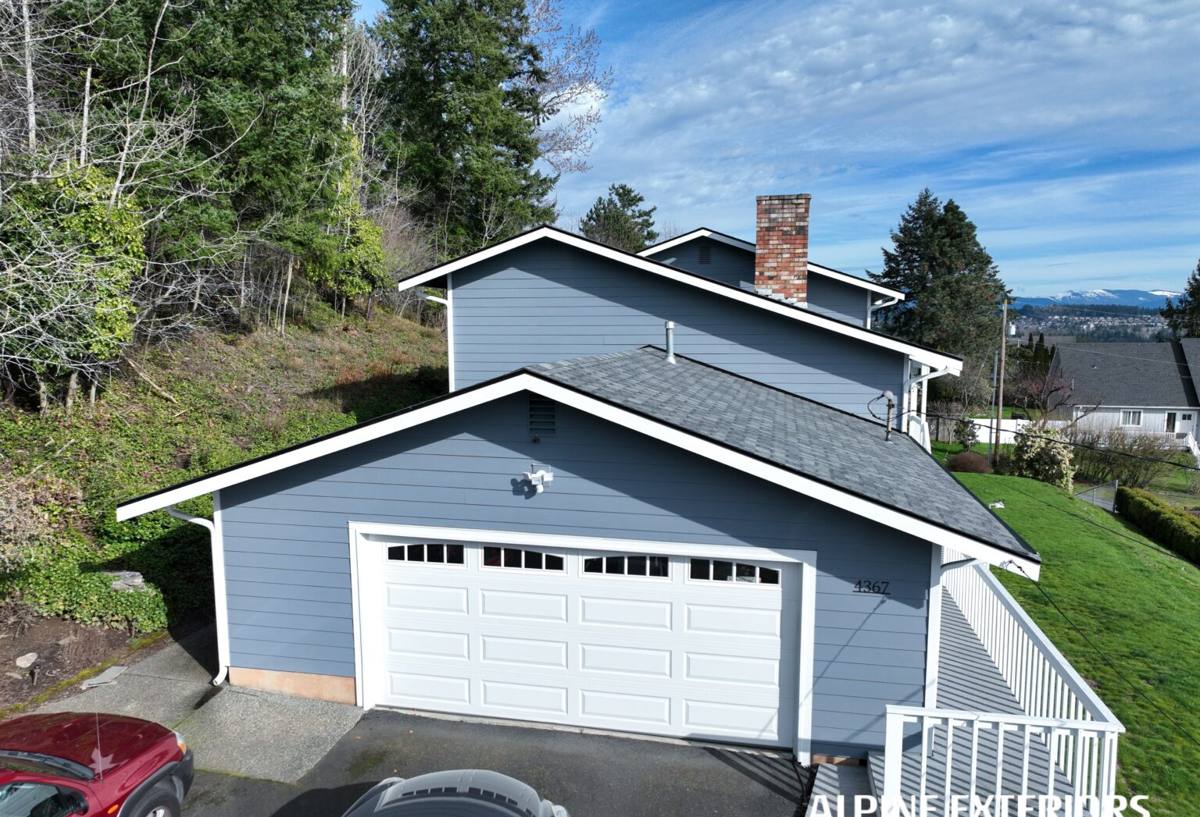
Common Roof Problems We See on Gulfport Homes
Gulfport's housing stock is a mix of older Florida bungalows and cottages alongside newer construction, and each type tends to fail in its own way. Older homes often have roof decking and flashing details that were fine when they were installed but were never built for today's storm frequency or updated code expectations. Newer homes are usually in better shape structurally but still take the same environmental beating.
- Shingle tabs lifted or torn loose by sustained wind or gusts, especially along ridges and roof edges
- Cracked, curling, or granule-worn shingles from years of direct UV exposure
- Corroded or failing metal flashing around chimneys, skylights, and roof-to-wall joints, accelerated by salt air
- Nail pops and fastener backout as decking expands and contracts through Florida's heat cycles
- Soft or delaminated roof decking under valleys and low-slope sections where water sits longer
- Pinhole rust or seam separation on older metal roofing exposed to coastal humidity
What a Correct Roof Repair Actually Involves
A repair that actually holds up in this climate is not the same as slapping a patch of roofing cement over a visible gap. That kind of shortcut might stop a drip for a season, but it almost never addresses what let water in to begin with, and it can make the real damage harder to spot later.
Diagnosis Before Anything Gets Touched
Every legitimate repair starts with figuring out where water is actually entering, which is often several feet away from where the stain or drip shows up inside. That means checking the roof surface, but also the flashing, the underlayment, and sometimes the attic or decking from underneath, since coastal wind-driven rain can travel under shingles before finding a way through.
Matching Materials, Not Just Covering the Hole
Shingles fade and wear unevenly over time, so a repair patched with mismatched material stands out and can also perform differently than the surrounding roof. A correct repair matches the existing shingle profile and color as closely as possible, and replaces flashing, underlayment, and fasteners with materials rated for the same coastal exposure as the rest of the roof.
Rebuilding the Water Path, Not Just the Surface
Roofs shed water in layers — the visible shingle or panel is only the top of the system. Underlayment, flashing, drip edge, and proper overlap all work together to move water off the roof and away from the structure. A repair that only replaces the top layer without restoring the layers underneath tends to fail again at the same spot within a season or two.
Our Roof Repair Process, Start to Finish
- Inspection. We walk the roof and check the attic where accessible, looking past the obvious damage to find the actual entry point and assess the condition of the surrounding area.
- Written scope and estimate. You get a clear explanation of what's actually wrong, what it takes to fix it correctly, and a straightforward price before any work starts.
- Repair work. We remove and replace only what's compromised, rebuild the flashing and underlayment detail at the problem area, and match shingle or panel material to blend with the existing roof.
- Site cleanup. Old material, nails, and debris are cleared from the roof, gutters, and yard before we consider the job done.
- Final walkthrough. We show you what was done and what to watch for, and answer any questions before we leave.
Repair or Replace? How We Help You Decide
Not every damaged roof needs to come off. But a repair on a roof that's already near the end of its service life can end up being money spent on a roof you're about to replace anyway. Part of an honest inspection is being upfront about which category your roof falls into.
| Factor | Repair usually makes sense | Replacement is worth considering |
|---|---|---|
| Age of roof | Well within its expected lifespan | Near or past the material's typical service life |
| Extent of damage | Isolated to one section or detail | Spread across multiple areas of the roof |
| Decking condition | Solid, no soft spots found | Soft, delaminated, or water-stained decking |
| Storm history | First repair after an isolated event | Repeated repairs after successive storm seasons |
| Underlayment condition | Intact around the repair area | Brittle, torn, or missing in multiple spots |
Materials and Techniques Suited to Coastal Exposure
Not every fastener, sealant, or flashing material holds up the same way a mile or two from open water. We choose materials for Gulfport repairs the same way we would for any bayfront property in Pinellas County — with the salt air and wind exposure factored in from the start, not treated as an afterthought.
That means corrosion-resistant fasteners and flashing rather than standard-grade hardware that can rust and stain a roof within a few years. It means underlayment products built to handle the wind-driven rain that comes with tropical systems, not just light rainfall. And it means shingle or panel selections chosen with wind ratings appropriate for coastal Florida, not the minimum a supplier happens to have in stock.
Cost Factors and Insurance Considerations
What Drives Repair Cost
Roof repair pricing varies enough from job to job that a flat number on a website would be misleading. What we can do is walk through the main variables that move the price up or down, so you know what you're looking at before an estimate.
| Factor | How it affects cost |
|---|---|
| Size and location of the damaged area | Small, accessible repairs cost less than large or hard-to-reach sections |
| Roof pitch and height | Steeper or taller roofs require more time and safety setup |
| Extent of decking damage | Replacing rotted or soft decking adds material and labor beyond the surface repair |
| Material match availability | Discontinued or uncommon shingle colors can add cost or require broader replacement |
| Flashing complexity | Repairs around chimneys, skylights, or multiple roof planes take more time than open-field repairs |
As a broad range, most isolated repair jobs on a home this size land in the low hundreds to low thousands of dollars, with the final number depending heavily on the factors above. We'll never guess at a number over the phone — an in-person look is the only honest way to price it.
Working With Your Insurance Company After a Storm
Many roof repairs in this part of Pinellas County come up right after a named storm, which means insurance is often part of the conversation. We're a roofing and exterior contractor, not an insurance adjuster or a public adjuster, so we won't promise a claim outcome or tell you what your policy covers. What we can do is document the damage clearly and give you an honest, itemized scope of the repair that your carrier can review.
That documentation matters. Photos and a written description taken soon after a storm, before any tarping or temporary repair, give you and your insurer a clear record of what happened and when. If temporary protection is needed to stop further water intrusion, that's still worth doing — just keep the damaged material and take pictures before it's removed. Be cautious of anyone going door to door after a storm pushing you to sign a contract on the spot. A legitimate repair estimate should be able to wait long enough for you to read it and ask questions.
Why a Crew That Already Works Gulfport Matters
Roof repair isn't just about swinging a hammer. A crew that regularly works in Gulfport and the surrounding St. Petersburg area already knows how Pinellas County's wind and moisture requirements apply to repair work, what inspectors typically look for, and how older bungalow-style roofs in this part of town are usually framed and flashed. That familiarity shortens the diagnosis phase and reduces the odds of a repair getting flagged or needing rework.
It also matters after a storm. When wind and rain move through the area, homes near the water are often among the first to show damage, and having a crew that already knows the neighborhood means a faster, more accurate response instead of a contractor learning the area's quirks on your roof for the first time.
Roof Maintenance Checklist for Homeowners
Between professional inspections, there's a lot a homeowner can check from the ground or a ladder to catch problems early, before wind or rain turns a small issue into an interior leak.
- Look for shingle tabs that appear lifted, curled, or missing after any significant wind event
- Check gutters for excessive granule buildup, which signals accelerated shingle wear
- Watch for rust streaks running down from flashing around chimneys or vents
- Note any new ceiling stains or musty odors in attic spaces after heavy rain
- Keep overhanging tree limbs trimmed back to reduce abrasion and debris buildup on the roof
- Have the roof looked at after any tropical storm or hurricane, even without visible interior damage
If you've noticed a stain, a missing shingle, or you just want a second opinion after this year's storms, we're glad to take a look. Fill out the form below for a free, no-pressure estimate on your Gulfport roof repair.