 St. Petersburg Siding
 Old Northeast Sits Right in the Path of Florida's Toughest Siding Conditions
Old Northeast is one of the older, more established neighborhoods in St. Petersburg, and that means two things for siding: the homes tend to have real architectural character worth protecting, and many of them are carrying siding that was never designed for what this climate actually delivers year after year. Pinellas County sits on a peninsula, which means almost every home here deals with some combination of intense UV exposure, wind-driven rain, salt-laden air, and the threat of hurricane-force winds during storm season. None of that is unique to Old Northeast, but the age and style of housing stock in this part of the city makes the consequences show up faster when the siding underneath isn't holding up its end.
This page is about one thing specifically: fiber cement siding, done correctly, on homes in this neighborhood. Not a general overview of siding materials, and not a sales pitch — a straight explanation of what this climate demands, what a correct fiber cement installation actually involves, and why the crew doing the work matters as much as the product itself.
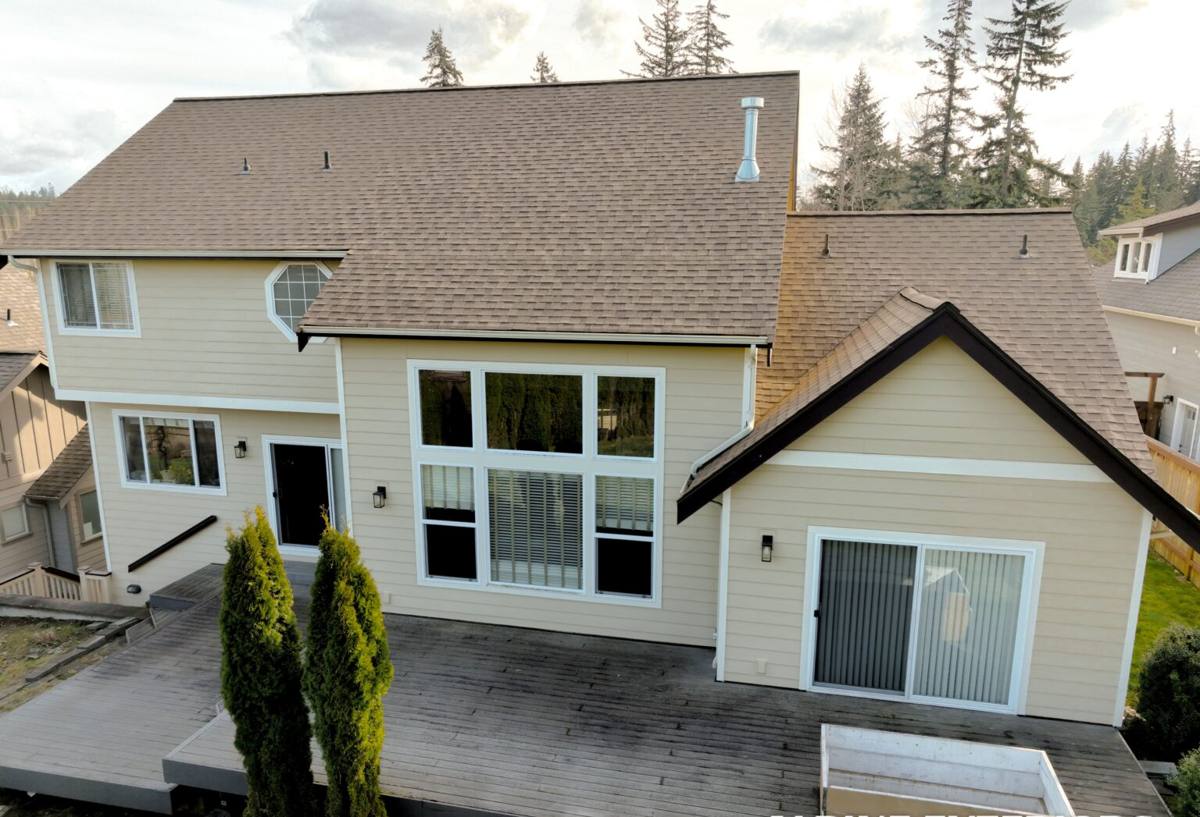
What This Climate Actually Does to Siding Over Time
UV and Heat
Florida's sun doesn't take a season off. Siding here gets more cumulative UV exposure in a given year than siding almost anywhere else in the country, and that exposure is what causes color fade, chalking, and — in weaker materials — surface breakdown. A siding product that looks fine on a sample board can look tired within a few years once it's facing south or west on a full-sun elevation.
Wind-Driven Rain and Humidity
Rain in this region rarely falls straight down. Wind pushes it sideways, up under laps, and into any gap in flashing or trim. Combine that with Pinellas County's humidity and you get a climate that's constantly testing whether water is actually being shed away from the wall assembly or just finding a way in and staying there.
Salt Air
St. Petersburg's coastal location means airborne salt is a factor for a large share of homes, not just the ones directly on the water. Salt accelerates corrosion on fasteners, flashing, and hardware, and it can be harder on certain finishes than inland weather ever would be.
Hurricane-Force Wind
Every few years, at minimum, this area deals with tropical systems capable of hurricane-force gusts. Siding doesn't just need to look good — it needs a wind rating and a fastening method that can actually hold up when a storm comes through, and it needs to protect the wall assembly behind it if wind-driven rain gets past the surface.
Why Fiber Cement Is the Right Material for This Neighborhood
Fiber cement is a mix of cement, sand, and cellulose fiber, and it behaves fundamentally differently from vinyl or wood-based sidings in every one of the conditions above. It doesn't soften or warp in heat, it doesn't rot the way untreated or engineered wood products can when moisture gets in, and it's non-combustible, which matters to a lot of homeowners and to insurers. Properly installed and finished, it holds paint and color far longer than vinyl fades or wood needs repainting, and it carries wind ratings that hold up under Florida's building code requirements.
That doesn't mean every fiber cement product performs the same way, or that "fiber cement" as a category solves every problem by itself. The formulation, the factory finish, and — just as much — the quality of the installation all determine whether a fiber cement job actually delivers on that potential over ten or twenty years.
Why We Install Only James Hardie Fiber Cement
We install James Hardie products exclusively. We don't install other fiber cement brands, and we don't install vinyl, engineered wood siding, or unfinished wood siding at all. That's a deliberate standard, not a limitation we apologize for.
The reasons come down to three things. First, James Hardie's ColorPlus finish is baked on at the factory under controlled conditions, which gives more consistent, longer-lasting color than field-applied paint on any siding material — and it matters more here than in milder climates, given how much UV exposure this region gets. Second, Hardie engineers its boards by climate zone through its HZ product lines, so what goes on a home in Pinellas County is formulated for humidity and moisture exposure, not a one-size-fits-all board sold everywhere in the country. Third, Hardie's warranty is transferable and backed by a manufacturer with decades in this specific product category, which gives homeowners real recourse if something goes wrong with the material itself.
Standardizing on one manufacturer's system also means our crews install to one set of specifications, with one set of fastener, clearance, and flashing details, instead of switching between different products' tolerances from job to job. That consistency is where a lot of installation mistakes get avoided.
What a Correct Fiber Cement Installation Actually Involves
Substrate and Moisture Barrier
Before a single board goes up, the wall needs a sound substrate and a properly lapped weather-resistive barrier. On older Old Northeast homes, this is often where the real work is — checking what's actually behind the existing siding, addressing any rot or damage found there, and making sure the moisture barrier is continuous before anything new gets fastened over it.
Clearances
Fiber cement siding needs specific clearance from grade, roof lines, decks, and horizontal surfaces to keep it from sitting in standing water or trapped moisture. These clearances are spelled out in the manufacturer's installation instructions, and skipping them is one of the most common ways a fiber cement job fails early — not because the material was wrong, but because it was installed too tight.
Fasteners and Fastening Pattern
Fiber cement requires corrosion-resistant fasteners, placed at the correct spacing and depth. In a salt-air environment, using the wrong fastener material or driving nails too deep (or not deep enough) shows up as problems years down the road — rust streaks, loose boards, or panels that don't perform the way they're rated to.
Flashing and Sealant
Every window, door, and penetration needs flashing detailed to shed water outward, not just caulk relied on to do the whole job. Caulk fails eventually; flashing done correctly at the outset doesn't depend on caulk holding forever. Given how much wind-driven rain this region sees, this step gets more scrutiny here than it would in a drier climate.
Cut Edges and Touch-Up
Factory-finished ColorPlus boards need their cut edges sealed with the manufacturer-specified product to maintain the finish's protection and warranty coverage. This is a small step that's easy to skip and impossible to notice until the finish starts failing at the seams.
Our Process, Start to Finish
- On-site assessment of existing siding, substrate condition, and any moisture or rot issues found during removal.
- Written scope covering product line, color, clearances, fastening, and flashing details specific to your home.
- Permitting through the appropriate local authority before work begins.
- Removal of old siding and repair of any compromised sheathing or framing discovered underneath.
- Installation of a continuous moisture barrier, followed by James Hardie siding installed to manufacturer specification.
- Flashing, trim, and sealant work at all windows, doors, and penetrations.
- Final walk-through and cleanup before we consider the job done.
Cost Factors for a Fiber Cement Project in Old Northeast
Every home is different, so we won't quote a number without seeing yours, but these are the factors that most often move the price on a project in this neighborhood specifically:
| Factor | Why It Matters Here |
|---|---|
| Age and condition of existing substrate | Older homes more often need sheathing repair once old siding comes off |
| Home style and trim detail | Character homes with more trim, corners, and architectural detail take more labor per square foot |
| Story height and access | Multi-story sections and tight lot access affect equipment and labor time |
| Distance to the water | Homes with heavier salt exposure warrant closer attention to fastener and flashing hardware |
| Product line and profile chosen | Plank, panel, and shingle-style Hardie profiles carry different material costs |
| Tear-off vs. overlay feasibility | Full tear-off is often the right call on older substrates, and it adds labor but avoids covering up hidden problems |
What to Check Before You Hire Anyone for This Job
- Ask whether the crew is a certified installer for the specific product they're proposing.
- Get the manufacturer, product line, and HZ climate designation in writing, not just "fiber cement siding."
- Confirm who is pulling the permit, and make sure it happens before work starts.
- Ask what happens if rot or damage is found once old siding comes off, and how that's priced.
- Check that the written scope includes clearances, fastener type, and flashing details, not just square footage and color.
- Ask about the warranty — both the manufacturer's product warranty and the installer's workmanship warranty.
Maintenance and Lifespan in This Climate
One of the appeals of fiber cement is how little ongoing maintenance it needs compared to wood or repainted surfaces, but "low maintenance" doesn't mean "no maintenance," especially in a coastal climate. Rinsing off accumulated salt and grime periodically helps the finish last, and it's worth a visual check after major storms for any displaced trim, damaged flashing, or caulk that's pulled away — catching that early is a lot cheaper than dealing with water intrusion later. Correctly installed, James Hardie siding is built to hold its finish and integrity for decades in exactly the conditions Pinellas County produces, but that long lifespan depends on the installation details holding up, not just the board itself.
Why Hiring a Crew That Already Works This Neighborhood Matters
Old Northeast has a housing stock with real variety — older bungalow-style homes, additions built at different times, a mix of substrates behind the existing siding. A crew that's worked in this specific part of St. Petersburg has already seen what tends to be hiding behind older siding here, what the permitting process actually requires locally, and how much extra attention the salt air and storm exposure this close to the water deserve. That experience shows up in fewer surprises mid-project and a finished job that's actually built for the conditions it has to survive, not just installed to a generic spec sheet.
If you're weighing options for your home's siding, we're happy to take a look and walk you through what we'd actually recommend — no pressure, no obligation. Reach out for a free estimate using the form below.