 St. Petersburg Siding
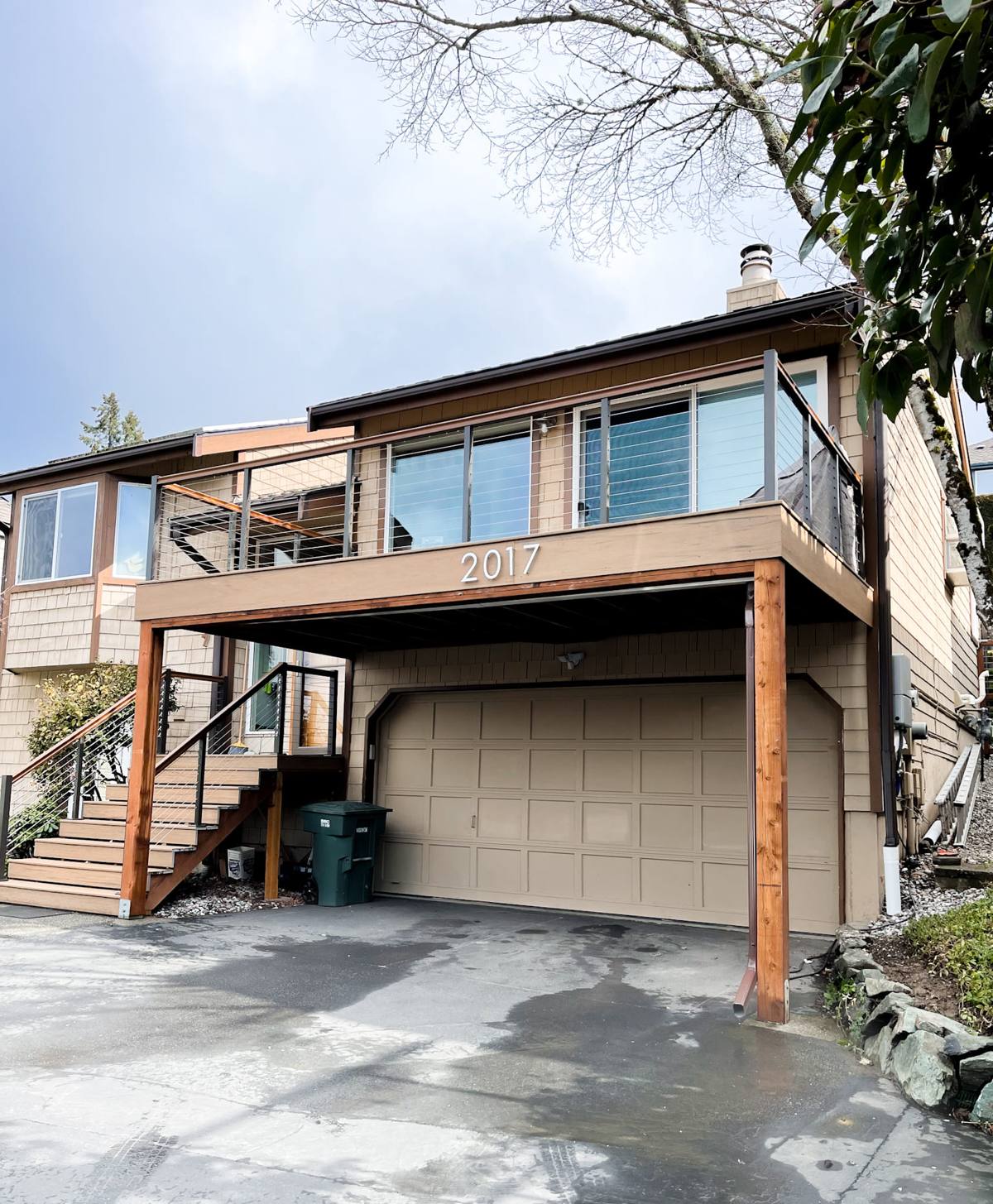
 Composite Decking Built for Euclid-St. Paul's Climate
Euclid-St. Paul is one of St. Petersburg's older, established neighborhoods — mature tree canopy, tighter lots, and a mix of home styles that have been standing through decades of Gulf Coast weather. If you're thinking about adding or replacing a deck here, the material and the build matter more than they would somewhere inland. Pinellas County sits on a peninsula, which means every outdoor structure deals with intense year-round UV, wind-driven rain off the bay, salt-laden air, and the real possibility of hurricane-force winds during storm season. A deck that isn't built with those conditions in mind won't fail overnight, but it will fail early — cupped boards, corroded fasteners, soft framing, and railings that loosen up within a few seasons.
This page is specifically about composite decking work in Euclid-St. Paul: what the local climate demands, what a correct installation actually looks like, and how we approach these projects when we're already familiar with the neighborhood's homes and lot layouts.
What This Climate Actually Does to a Deck
Sun and Heat
St. Petersburg gets sun exposure most of the year, and a south- or west-facing deck can sit at surface temperatures well above the surrounding air temperature on a summer afternoon. Over time, unprotected wood grays, splinters, and dries out unevenly. Composite decking is engineered to resist UV fading far better than raw wood, but not all composite products handle heat buildup the same way — color and cap technology both affect how hot a board gets underfoot and how well it holds its color over the years.
Salt Air and Corrosion
Even away from the immediate waterfront, salt carried on the air across the peninsula accelerates corrosion of fasteners, brackets, and structural hardware. This is one of the most overlooked failure points on Gulf Coast decks — the decking surface can look fine while the hidden hardware holding it together is quietly rusting away underneath.
Wind-Driven Rain and Moisture
Rain here rarely falls straight down. Wind-driven rain gets pushed sideways into ledger connections, under railing posts, and into any gap that isn't properly flashed or sealed. Standing water and trapped moisture are the main causes of rot in the framing beneath a deck, even when the visible decking boards are a moisture-resistant composite.
Hurricane-Force Wind Loads
During tropical storm and hurricane season, decks and their railings take direct wind loading, plus impact risk from wind-driven debris. Ledger attachment, post spacing, and railing anchoring all need to meet the wind requirements that apply in this part of Florida — this isn't optional detailing, it's what keeps a structure attached to the house.
Why Composite Decking Fits This Environment
Composite decking isn't the only option, and it isn't automatically the right choice for every project — but for most homeowners in Euclid-St. Paul, it solves the specific problems this climate creates better than traditional wood.
| Factor | Wood (Pressure-Treated) | Composite (Capped) | PVC |
|---|---|---|---|
| UV/color fade resistance | Low — grays and splinters over time | High | High |
| Moisture/rot resistance | Moderate, depends on maintenance | High | Very high |
| Maintenance | Annual sealing/staining | Occasional washing | Minimal |
| Surface heat in direct sun | Moderate | Can run warm; varies by color/brand | Similar to composite |
| Upfront cost | Lowest | Mid-range | Highest |
| Typical lifespan (with correct install) | 10-15 years | 25-30+ years | 25-30+ years |
We install composite decking as our standard recommendation for this area because it holds up to sun and moisture with far less upkeep than wood, and it's more forgiving of the humidity swings and salt exposure than raw lumber. We're upfront about the trade-offs, too — composite costs more up front than pressure-treated wood, and installation has to be done correctly the first time, because composite doesn't forgive sloppy framing or fastening the way wood sometimes masks its own problems for a while.
What a Correct Composite Deck Installation Involves
Substructure and Framing
The framing underneath is what actually carries the load and resists wind uplift — the composite boards on top are just the wear surface. We use joist spacing and fastening rated for local wind exposure, and we don't shortcut the substructure just because the decking on top looks finished.
Ledger Flashing
Where the deck attaches to the house, proper flashing keeps wind-driven rain from working its way behind the siding or into the band board. This is the single most common point of hidden rot on older Florida decks, and it's invisible once the deck is built — which is exactly why it has to be done right the first time.
Fasteners and Hardware
Given the salt air across the peninsula, we use corrosion-resistant, coastal-rated fasteners and structural hardware rather than standard-grade hardware. Hidden fastening systems also keep the deck surface free of exposed screw heads that could otherwise become rust or wear points.
Drainage and Ventilation
Composite decks need airflow underneath to manage humidity and allow any moisture that does get in to dry out. Proper board spacing and a graded, drained substructure keep water from pooling against framing members.
Railings and Fascia
Railing posts are through-bolted into properly blocked framing, not just screwed to the rim joist — this is what keeps a railing system secure under wind load and everyday use over the years.
Our Process for Euclid-St. Paul Projects
- On-site assessment — we look at your existing deck or the area where a new one is planned, check the condition of any existing framing, and talk through what you actually want to use the space for.
- Permitting — decking projects in the City of St. Petersburg and Pinellas County typically require a permit, especially for attached decks above a certain height. We handle this as part of the job rather than leaving it to you.
- Demo and prep — removal of old decking and any compromised framing, with the site protected and cleaned as we go.
- Framing and structural work — new or reinforced substructure built to current wind and load requirements.
- Composite installation — decking, fascia, and railing installed with hidden fasteners and coastal-rated hardware.
- Final inspection and walkthrough — we confirm the work passes inspection where required, then walk the finished deck with you.
Working Around Euclid-St. Paul's Older Homes and Tighter Lots
A lot of homes in this part of St. Petersburg were built well before today's building codes and materials existed, which means the framing and connection points we're often tying into weren't designed with modern wind ratings in mind. We check what we're attaching to rather than assuming it matches newer construction. Lots here also tend to be smaller and closer together than in newer subdivisions, and mature trees are common — both of which affect equipment access, material staging, and how we sequence the work so your yard and your neighbors' property aren't disrupted more than necessary. None of this is unusual for us; it's simply part of building correctly in an established neighborhood rather than a new build site.
Composite Decking Maintenance Checklist
Composite decking is low-maintenance, not no-maintenance. A little seasonal attention — especially given our sun and salt exposure — keeps it looking and performing well for decades.
- Rinse or wash the deck surface periodically to remove salt residue, pollen, and organic debris
- Keep gutters and downspouts clear so runoff isn't dumping extra water onto the deck or into the substructure
- Check railing posts and fasteners once a year for looseness
- Trim back nearby foliage so leaves and debris aren't collecting between boards
- Inspect under the deck after major storms for standing water or debris buildup
- Address any soft spots, movement, or gaps around the ledger board promptly rather than waiting
Cost Factors to Expect
Every deck project is different, but the same handful of factors drive the price on most jobs in this area.
| Factor | How It Affects Cost |
|---|---|
| Deck size and shape | More square footage and complex angles/cuts increase material and labor |
| Composite decking tier | Entry-level capped composite vs. premium composite/PVC changes material cost per square foot |
| Existing framing condition | Rotted or undersized framing that needs replacement adds structural labor |
| Demolition of old deck | Tear-out and disposal of an existing structure adds to the scope |
| Railing style | Composite/aluminum/cable railing options vary widely in price |
| Height and stairs | Elevated decks need additional framing, footings, and stair construction |
As a broad range, many composite deck projects in this size and complexity class land somewhere between roughly $30 and $50 per square foot installed, depending on the factors above — but the only way to get a real number is to have someone look at your specific site and framing.
Why Hire a Crew That Already Works This Neighborhood
A composite deck built to withstand hurricane-force wind, salt air, and constant UV isn't something to leave to guesswork. A crew that already works in Euclid-St. Paul and the surrounding St. Petersburg area knows the permitting process with the city and Pinellas County, has already dealt with the kind of older framing common to this neighborhood, and uses fasteners and hardware selected for coastal exposure rather than generic hardware-store-grade parts. That local familiarity shows up in fewer surprises during the build and a deck that's actually set up to handle where it lives.
If you're considering a new composite deck or replacing an aging one in Euclid-St. Paul, we're happy to take a look and walk you through your options honestly — including where composite makes sense and where it might not. Request a free, no-pressure estimate using the form below.