 St. Petersburg Siding
 Why Disston Heights Homes Need Siding Built for This Climate
Disston Heights sits inland enough from Tampa Bay to feel a little sheltered, but it's still squarely inside Pinellas County's exterior-siding gauntlet: hurricane-force wind events, months of intense UV exposure, wind-driven rain that finds every gap in a wall assembly, and a steady dose of salt-laden air blowing in off the Gulf. None of those forces are occasional here — they're the baseline. A siding system that isn't specifically engineered for that combination doesn't fail dramatically on day one; it fails slowly, through warped panels, faded color, swollen seams, or moisture working its way behind the cladding where nobody sees it until the sheathing underneath is already compromised.
Homes in this part of St. Petersburg tend to be established, with mature landscaping and decades of Florida sun already baked into the exterior. That history matters. A siding installer working in Disston Heights needs to understand not just how to hang new panels, but how the existing wall assembly — sheathing, house wrap, window flashing, trim details — has held up over time, and what needs to be corrected before new siding goes on top of it.
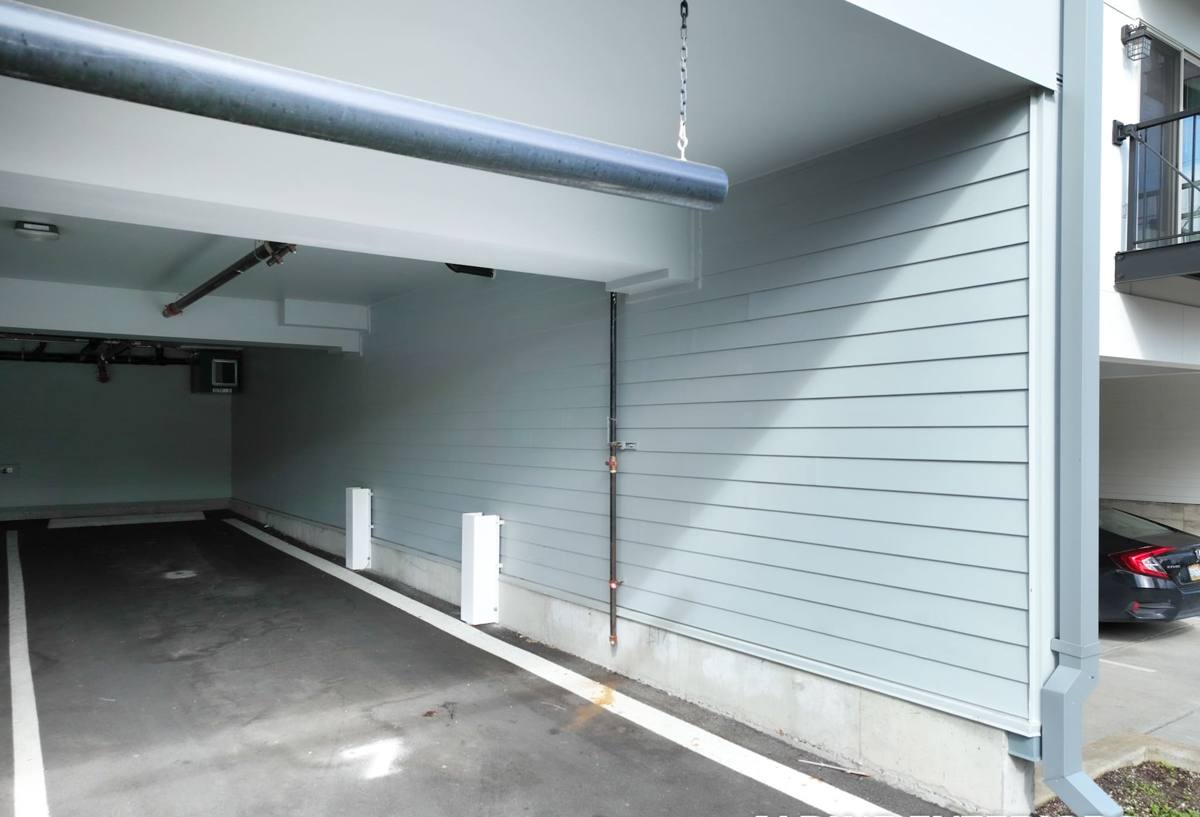
What Correct Siding Installation Actually Involves
Siding installation is easy to do badly and hard to do well, because most of what determines whether it lasts is invisible once the job is finished. A correct installation is a system, not just a stack of boards nailed to a wall.
Substrate and Moisture Barrier
Before any new siding goes up, the sheathing underneath has to be inspected and, if needed, repaired. Any rot, delamination, or water staining gets addressed first — covering a compromised substrate with brand-new siding just hides the problem for a few more years. A weather-resistant barrier is then installed correctly lapped, shingle-style, so wind-driven rain sheds outward instead of tracking behind the cladding.
Flashing and Fastening
Every window, door, and penetration needs proper flashing integrated with the water barrier — this is where most siding failures in this climate actually start. Fastening has to follow the manufacturer's nailing pattern and clearance specs exactly: fastener spacing, minimum ground clearance, and gaps at butt joints all affect how the assembly handles humidity swings and wind uplift. Skipping or eyeballing these details is the single biggest reason siding underperforms in a coastal wind climate.
Finish and Sealant Details
Caulking and sealant choice matters more here than in drier climates — the wrong sealant chalks and cracks under UV within a couple of years, opening a path for moisture. Factory-applied finishes hold color and resist that breakdown far better than field-applied paint, which is one of the reasons finish choice belongs in the installation conversation, not as an afterthought.
Why We Install Only James Hardie Fiber Cement
We made a decision early on to install one siding system: James Hardie fiber cement. We don't install vinyl, LP SmartSide, Cemplank, Allura, or primed wood siding, and we're upfront about why. Each of those products has legitimate uses and reasonable price points — this isn't a claim that they're defective. It's that, weighed against what a St. Petersburg exterior actually goes through, they carry trade-offs we're not willing to put our name behind.
Vinyl softens and can warp under sustained direct sun and reflected heat, and it has real limits in high-wind rated applications. Wood-based composite products like LP SmartSide perform well in many climates but are more sensitive to sustained moisture exposure than fiber cement, which matters in a place with our humidity and rain patterns. Fiber cement itself varies by manufacturer in formulation, factory finish process, and warranty structure — differences that matter more after ten Gulf Coast summers than they do in a showroom.
| Factor | Vinyl Siding | Wood/Composite (e.g. LP) | James Hardie Fiber Cement |
|---|---|---|---|
| UV/heat stability | Can warp or fade under sustained sun | Generally stable, coating-dependent | Engineered for sun exposure; ColorPlus finish resists fading |
| Moisture behavior | Not moisture-absorbent, but seams can trap water | Sensitive to prolonged moisture if detailing fails | Non-combustible, dimensionally stable, moisture-resistant formulation |
| Wind performance | Rated, but lower impact/wind thresholds in some lines | Rated per manufacturer, installation-sensitive | Engineered HZ5 line rated for high-wind, high-humidity zones |
| Finish longevity | Color molded in, can fade over time | Field or factory paint, needs repainting eventually | Factory-baked ColorPlus finish, long repaint-free warranty |
| Salt air exposure | Generally tolerant | Coating and fastener corrosion a factor | Fiber cement composition holds up well near coastal air |
James Hardie's HZ5 product line is specifically engineered for climate zones like ours — higher humidity, more wind exposure, more direct sun — rather than a one-size-fits-all specification. Combined with the ColorPlus factory finish and Hardie's transferable warranty, it's the system we're comfortable standing behind on a St. Petersburg home for the long haul.
Our Installation Process for Disston Heights Homes
1. On-Site Assessment
We start by walking the exterior with the homeowner, looking at existing siding condition, trim, window flashing, and any signs of past moisture intrusion. This tells us what's driving the replacement — age, storm damage, fading, or ongoing maintenance headaches — and what the substrate is likely to look like once we open the wall up.
2. Tear-Off and Substrate Inspection
Old siding comes off in sections so we can inspect sheathing as we go rather than guessing from the outside. Any rot or soft spots get documented and repaired before anything new goes up — this step is non-negotiable no matter how good the new siding is.
3. Weather Barrier and Flashing Installation
We install and properly lap the weather-resistant barrier and integrate flashing at every window, door, and penetration point. This is the stage that determines how the home handles the next decade of Pinellas County storms, so we don't rush it.
4. Hardie Panel Installation to Manufacturer Spec
Panels go up following James Hardie's fastening schedule, clearance requirements, and joint treatment exactly — not "close enough." Correct installation is what keeps the manufacturer's warranty valid and what actually determines how the siding performs in a wind event.
5. Final Detailing and Cleanup
Trim, caulking, and touch-up work get finished with climate-appropriate sealants, and the site is cleaned of old material and debris before we walk the job with the homeowner.
Permitting and Wind Requirements in Pinellas County
Exterior work in St. Petersburg is governed by Florida Building Code wind provisions, and Pinellas County requires permitting and inspection for siding replacement. A crew that regularly works this area knows the local permitting process and inspection expectations well enough that it doesn't add delay or surprises to the project — that familiarity is worth more than it sounds like on paper, especially on a home in an established neighborhood like Disston Heights where older construction details sometimes need to be reconciled with current code.
Cost Factors for a Disston Heights Siding Project
Every home is different, but the price of a siding installation is generally driven by a handful of factors rather than square footage alone:
| Cost Factor | Why It Matters |
|---|---|
| Substrate condition | Rot or moisture damage found during tear-off adds repair scope before new siding goes on |
| Home shape and trim detail | More corners, dormers, and trim work mean more labor and material cuts |
| Siding profile and color | Plank width, texture, and ColorPlus color selection affect material cost |
| Removal and disposal | Full tear-off of old siding versus a simpler recover situation changes labor time |
| Access and site conditions | Landscaping, fencing, and building height affect setup and staging time |
We give homeowners a real, itemized number after seeing the home in person — not a rough phone quote — because these variables genuinely change the total.
Maintenance After Installation
One of the practical advantages of a correctly installed Hardie system is how little ongoing maintenance it asks for compared to painted wood siding. A rinse to clear salt residue and pollen buildup, an annual walk-around to check caulking at trim joints, and prompt attention to any impact damage are really the extent of it. The factory finish means repainting isn't part of the routine the way it is with field-painted siding.
Signs Your Disston Heights Home May Need New Siding
- Visible warping, buckling, or gaps between siding panels
- Fading or chalking that touch-up paint no longer corrects
- Soft spots, discoloration, or a musty smell near exterior walls, which can signal moisture behind the siding
- Rising energy bills that suggest the wall assembly is no longer sealing properly
- Visible storm damage after a wind or heavy rain event
- Siding that's original to a home built decades ago and has never been replaced
Why Hiring a Crew That Already Works This Neighborhood Matters
Siding installation is one of those projects where local experience shows up in details a homeowner might never think to ask about — how a particular trim detail was handled on homes of similar age nearby, which permitting steps the county actually looks for, and how a wall assembly in this specific humidity and salt-air environment tends to age. A crew that has worked other homes in and around Disston Heights and St. Petersburg brings that pattern recognition to your project instead of starting from zero. It shows up as fewer surprises mid-project and a finished installation that's built for the climate it actually has to survive, not a generic one.
If you're planning a siding replacement or just want an honest read on the condition of what's on your home now, we're happy to take a look. Reach out for a free, no-pressure estimate using the form below.