 St. Petersburg Siding
 Deck Repair Built for Disston Heights' Climate
Disston Heights sits inland from the bay, but "inland" in Pinellas County doesn't mean sheltered. Homes here still take the full brunt of the St. Petersburg climate: months of intense UV that bakes wood fiber and breaks down finishes, sudden wind-driven downpours that drive water into every seam and fastener hole, salt-laden air that migrates further inland than most homeowners realize, and the occasional hurricane-force wind event that tests every connection point on a deck. A deck that was built correctly ten or fifteen years ago can still be failing today simply from cumulative sun and moisture cycling — that's normal, and it's fixable, but only if the repair addresses the actual cause instead of just replacing what's visibly broken.
We work on decks throughout this neighborhood and the surrounding St. Petersburg area regularly, and the failure patterns are consistent enough that we can usually tell what's going on with a deck before we even get underneath it.
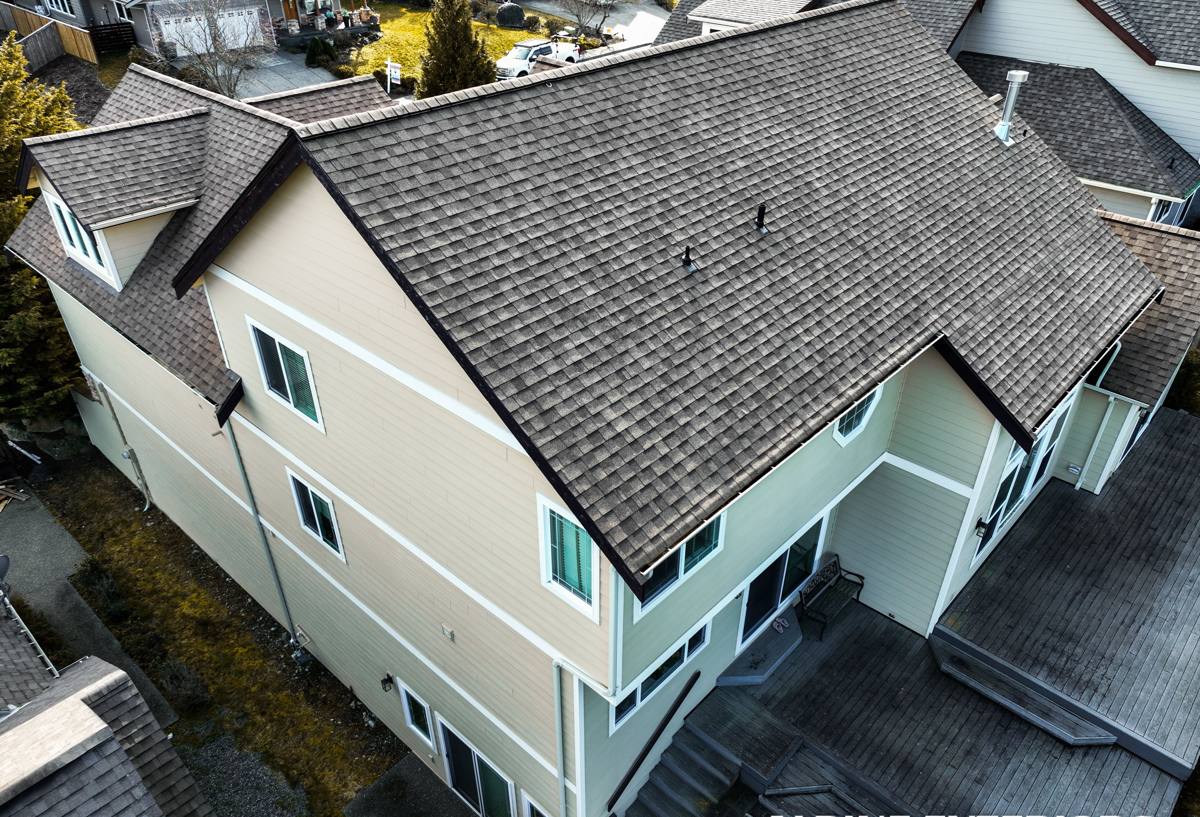
What Disston Heights Decks Actually Need
The sun problem
Florida sun is harder on exterior wood and composite than most other climates in the country. UV breaks down the lignin in wood fibers, turning the surface gray and brittle even when the wood underneath is sound. On composite decking, UV exposure combined with heat cycling can cause fading, surface chalking, and — on older or lower-grade composite boards — flaking or delamination. If your deck faces west or gets sun most of the day, expect faster wear on that side than the rest of the structure.
The moisture problem
St. Petersburg's rain doesn't fall straight down most of the year — it comes in sideways during summer storms, which means water gets pushed into ledger board connections, under railing posts, and into the end grain of boards where cuts weren't sealed. Ground-level and low-clearance decks are especially exposed because they don't get enough airflow underneath to dry out between storms. Combined with our humidity, that's exactly the environment that lets wood rot and fastener corrosion take hold.
The salt air and wind problem
Even though Disston Heights isn't waterfront, salt air carries well inland across the Pinellas peninsula, especially with onshore winds. Salt accelerates corrosion on any exposed metal — nails, screws, joist hangers, bolts — which is often the real reason a deck feels "wobbly" long before the wood itself looks bad. And when wind loads spike during a tropical system, it's the fasteners and connections that get tested first. A deck can look fine and still have corroded hardware holding it together.
Common Deck Problems We Find in This Area
- Soft or spongy decking boards — usually from water sitting on the surface or wicking up through end grain
- Loose or wobbly railings — often a post connection issue, not a full rail replacement problem
- Rusted or failing fasteners — nails and screws that weren't rated for exterior/coastal exposure
- Ledger board separation — where the deck meets the house, a serious structural concern if water has been getting behind it
- Cracked or split boards — from sun exposure drying out wood faster than it can be resealed
- Rot at post bases — where posts meet the ground or concrete footings and moisture collects
- Faded, chalking, or peeling composite surfaces — a sign of UV and heat cycling wear
- Uneven or sagging sections — often a sign of a failing joist or beam underneath
What a Correct Deck Repair Involves
A lot of deck "repairs" amount to swapping a few obviously bad boards and calling it done. That approach misses the point — if the board failed because of a moisture or ventilation issue, the board you install next will fail the same way on the same timeline. Our process looks at the whole system, not just the symptom.
1. Structural inspection first
Before we touch a single board, we check the framing underneath: joists, beams, posts, and especially the ledger board connection to the house. This is where the safety-critical problems live, and it's the part homeowners can't see from the top. We also check every railing post connection, since railing failures are one of the more common injury risks on aging decks.
2. Identify the actual cause
Rot, cracking, and fastener corrosion all have a cause — usually water intrusion, inadequate ventilation, or UV breakdown. We tell you what caused the damage so the repair actually solves the problem instead of delaying the next round of it.
3. Match materials correctly
Whether your deck is pressure-treated lumber, cedar, or composite, replacement material needs to match the existing structure's behavior — moisture movement, expansion, and fastening method all differ between wood species and between wood and composite. Mixing materials without accounting for those differences is how new problems get built into an "old" deck.
4. Use fasteners rated for this climate
Standard interior-grade or non-coated fasteners have no business in a Pinellas County deck. We use fasteners and hardware rated for exterior and coastal exposure, because that hardware is what's actually holding the structure together under wind load.
5. Address drainage and airflow
If poor ventilation or drainage caused the original damage, we address that as part of the repair — not just the board on top of it. That might mean adjusting gaps between boards, clearing debris that's trapping moisture underneath, or correcting a slope issue near the ledger.
6. Reseal and protect exposed wood
Any cut ends, newly exposed wood, or areas we've worked on get properly sealed before the deck goes back into service. Unsealed end grain is one of the fastest ways water gets back into a repaired deck.
Repair vs. Replacement: How We Help You Decide
Not every damaged deck needs to be torn out. But some do, and the honest answer depends on how much of the structure is affected versus just the surface.
| Factor | Repair usually makes sense | Replacement usually makes sense |
|---|---|---|
| Framing/joists | Sound, no rot found on inspection | Rot or damage found in multiple structural members |
| Ledger board | Solid connection, no water staining behind it | Separation, rot, or long-term water intrusion evident |
| Decking boards | Isolated bad boards, rest of deck sound | Widespread cracking, softness, or fastener pull-through |
| Railings/posts | Loose connections, hardware upgrade needed | Rotted post bases or undersized original construction |
| Age and history | Well-built, maintained, isolated issue | Multiple past patch repairs stacking up |
Cost is a real factor too, and we'll give you straight numbers once we've actually inspected the deck — broad ranges without seeing the structure aren't useful to you, and we're not going to guess.
Warning signs it's time to call, not wait
- Boards that feel soft, spongy, or flex noticeably underfoot
- Railings that move or wobble when you lean on them
- Visible gaps or separation where the deck meets the house
- Rust streaks running down from fasteners or hardware
- A noticeable slope or sag anywhere in the deck surface
- Wood that's gone gray, splintery, or is cracking along the grain
Our Process for Disston Heights Deck Repair
- Free on-site inspection — we look at the full structure, not just the visible damage, and check hardware and connections underneath
- Honest assessment — we tell you what's actually wrong, what caused it, and whether repair or replacement is the right call for your situation and budget
- Written estimate — clear scope of work, materials, and pricing before anything starts
- Repair work — structural fixes first, then decking, railings, and hardware, using materials and fasteners suited to Pinellas County's climate
- Final walkthrough — we go over the finished repair with you and point out any maintenance that will extend its life
Why Hire a Crew That Already Works This Neighborhood
Deck repair isn't a one-size-fits-all trade. A crew that mostly works drier, milder climates will make different assumptions about wood movement, fastener corrosion, and moisture behavior than one that works St. Petersburg year-round. We know what Disston Heights homes are up against because we see it repeatedly — the same UV wear patterns, the same fastener corrosion timelines, the same storm-driven water intrusion points. That familiarity means fewer surprises during the job and a repair that's actually built for the conditions it has to survive, not generic conditions from a manual.
We also know this area well enough to give you a realistic timeline and avoid the common local pitfalls — like scheduling around our storm season or knowing which older Disston Heights homes tend to have deck framing that wasn't originally built to current wind-load expectations.
Maintaining Your Deck After Repair
A repaired deck will last significantly longer with a bit of regular attention, especially in this climate:
- Rinse off salt residue and debris periodically, especially after storms
- Check railing connections for looseness once or twice a year
- Reseal wood decking on the manufacturer's recommended schedule — UV exposure here shortens that interval compared to milder climates
- Keep the area underneath the deck clear of debris and vegetation to preserve airflow
- Look for early rust streaks on hardware — they're easier and cheaper to address before they spread
If you're noticing any of the warning signs above, or it's just been a while since anyone looked closely at your deck's structure, we're happy to come take a look. The estimate is free, there's no pressure to move forward, and you'll get a straight answer about what your deck actually needs.