 St. Petersburg Siding
 Custom Decks Built for Crescent Lake, St. Petersburg
Crescent Lake is one of St. Petersburg's older, tree-canopied neighborhoods, and that character is part of what makes it a great place to add outdoor living space. But the same mature oaks that shade these lots also drop debris, hold moisture against wood surfaces, and shift what a deck needs to survive here. Add in Pinellas County's humidity, intense UV exposure nearly year-round, and the wind-driven rain and hurricane risk that come with living near Tampa Bay, and a deck in this neighborhood has a tougher job than the same structure would have almost anywhere inland. We build decks for St. Petersburg homes, and we've worked in and around Crescent Lake specifically enough to know what holds up here and what doesn't.
This page is about one thing: custom deck construction for Crescent Lake properties. Not a general overview of decking materials, not a citywide sales pitch — just what a correctly built deck looks like on this ground, in this climate, and how we approach the job from first call to final walkthrough.
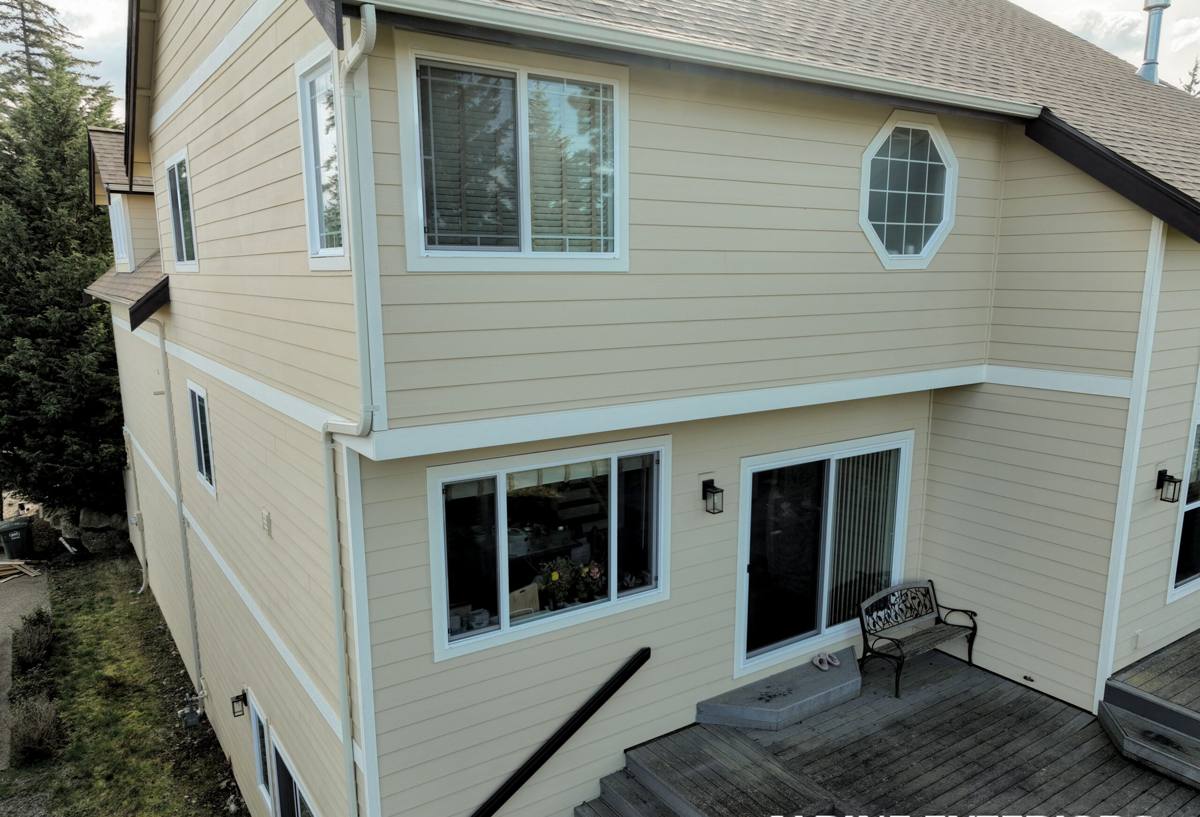
What Crescent Lake's Climate Does to a Deck
Heat and UV
Florida sun is hard on any exposed surface, and a deck has nowhere to hide from it. Composite decking can fade or feel noticeably hot underfoot in full afternoon sun; even the best PVC and composite boards vary in how well their color-fastness and heat-reduction technology performs. Wood decking, left unsealed, silvers and checks (surface cracking) within a couple of seasons under this kind of UV load.
Humidity and Shade
Crescent Lake's mature tree cover is a mixed blessing for a deck. Shade cuts down on direct heat gain, which is good for comfort and for extending the life of some decking materials. But shade also means slower drying after rain — moisture sits longer on deck boards, in the gaps between them, and on the framing underneath. That's exactly the condition that encourages mold, mildew, and, in wood structural members, rot. Any deck going in under a heavy canopy needs a framing and ventilation approach that assumes it will stay damp longer than a deck out in the open.
Wind-Driven Rain and Storm Loads
Wind-driven rain during Gulf storms doesn't just fall on a deck — it drives sideways and gets pushed up under boards and around ledger connections. A deck's ledger board attachment (where it ties into the house), joist hangers, and fasteners all need to be rated and installed to resist both uplift and lateral load, not just support foot traffic. During hurricane season, any deck structure — especially elevated ones — has to be built to hold together under sustained wind, not just look good on a calm day.
Salt Air
St. Petersburg sits close enough to Tampa Bay and the Gulf that salt-laden air reaches inland neighborhoods like Crescent Lake, not just waterfront lots. Salt exposure accelerates corrosion on any unprotected metal — fasteners, brackets, hardware. Over a few years, standard hardware in a salt-air environment can rust, stain the decking around it, and weaken structural connections long before the deck's visible surface shows its age.
What a Correctly Built Deck Requires Here
- Coastal-rated or stainless/hot-dip galvanized fasteners and hardware — standard hardware corrodes faster in this air than most homeowners expect.
- Proper ledger board flashing and attachment — this is the single most common failure point on decks tied to a house, especially where wind-driven rain can get behind it.
- Joist spacing and blocking sized for the decking material chosen — composite and PVC boards often need tighter joist spacing than traditional lumber span tables assume.
- Ventilation under the deck surface — critical on shaded lots where boards and framing stay damp longer after rain.
- Footings sized and set to local frost-free, sandy-soil conditions — Pinellas County soil and code requirements differ from what generic national span tables assume.
- Fastening and connector hardware rated for wind uplift, not just gravity load, given the area's storm exposure.
Decking Material Options for Crescent Lake Homes
There's no single "best" decking material for every Crescent Lake lot — the right choice depends on how much sun versus shade the deck gets, how close it is to the Bay, and how much maintenance the homeowner wants to take on. Here's how the common options compare under this specific climate.
| Material | Sun/UV Behavior | Moisture & Shade Behavior | Maintenance | Typical Trade-offs |
|---|---|---|---|---|
| Pressure-treated wood | Fades and grays without regular sealing | Prone to cupping and rot in shaded, damp spots if not sealed and ventilated well | Annual cleaning and resealing recommended | Lowest upfront cost; highest long-term upkeep |
| Composite decking | Good UV stability on most modern lines; color fade varies by brand | Resists rot but can trap moisture at fastener points if not installed with proper gapping | Occasional cleaning, no sealing | Higher upfront cost; installation quality matters more than with wood |
| PVC/capped polymer decking | Strong UV and fade resistance | Fully resistant to rot; performs well in shaded, humid spots | Low — mostly rinsing | Highest material cost; can feel warmer underfoot in full sun without heat-mitigating formulations |
| Tropical hardwoods (e.g., ipe-type species) | Naturally dense and UV-tolerant, but will gray without oiling | Naturally rot- and insect-resistant | Periodic oiling to maintain color | Premium cost; heavier, harder to work with on install |
We'll walk you through which of these fits your specific lot — how much canopy shade it gets, how close it sits to prevailing wind and salt exposure, and your maintenance tolerance — before we ever talk numbers.
Our Deck-Building Process
1. On-Site Assessment
We walk the property, note sun and shade patterns, existing drainage, tree root proximity, and how the house's structure will tie into the new deck. In a neighborhood like Crescent Lake, root systems from mature trees can affect footing placement, and we account for that before design, not during construction.
2. Design and Material Selection
We talk through decking material, railing style, and layout based on how you'll actually use the space — and on what will hold up given the specific sun/shade and moisture conditions of your lot. This is also when we discuss permitting; deck additions in the City of St. Petersburg typically require a building permit, and we handle that process.
3. Structural Build
Footings, framing, ledger attachment, and hardware selection all follow the standards above — corrosion-resistant fasteners, proper flashing, wind-rated connections. This is the part of the job that doesn't show once the decking goes down, and it's the part that determines whether the deck is still solid in ten years.
4. Decking, Railing, and Finish
Boards are installed with proper gapping for drainage and expansion, railings are set to current code height and baluster spacing requirements, and any wood elements are sealed before we consider the job finished.
5. Final Walkthrough
We inspect the finished deck with you, cover basic maintenance expectations for the material you chose, and make sure everything meets both our standards and the local inspection requirements.
Maintenance Realities for This Climate
Whatever material you choose, a Crescent Lake deck needs a maintenance rhythm suited to shade, humidity, and salt air:
- Clear leaf and debris buildup between boards regularly — trapped organic matter holds moisture and stains decking.
- Inspect fastener heads and metal hardware annually for early corrosion, especially on decks facing prevailing wind off the Bay.
- Check ledger board flashing and the house-to-deck connection point each year, particularly after storm season.
- For wood decking, plan on resealing on a schedule appropriate to sun/shade exposure rather than a fixed calendar — heavily shaded boards dry differently than sun-exposed ones.
- Rinse salt residue off decking and railings periodically, especially after windy weather off the water.
Why Hire a Crew That Already Works Crescent Lake
A deck built to a generic national code minimum can pass inspection and still underperform in this specific environment. The difference between a deck that's still tight and solid in ten years and one that's showing rot at the ledger board or rust streaks down the posts by year three usually comes down to decisions made before the first board goes down: fastener grade, ledger flashing detail, footing depth, and ventilation planning for shaded lots. A crew that already builds in St. Petersburg and knows Crescent Lake's tree cover, soil, and storm exposure makes those calls correctly the first time, rather than learning the hard way on your project.
We're a St. Petersburg-based crew, and we build with Pinellas County's climate as the baseline assumption, not an afterthought.
Get an Estimate for Your Crescent Lake Deck
If you're planning a new deck or replacing an aging one in Crescent Lake, we're happy to come out, look at your specific lot, and talk through what will actually hold up there. There's no pressure and no cost for the estimate — just a straight assessment and honest numbers. Fill out the form below to get started.