 St. Petersburg Siding
 Coquina Key's Canal-Front Climate Puts Real Demands on New Windows
Coquina Key sits on filled land laced with canals on the south side of St. Petersburg, and that waterfront setting changes what a window has to survive. Homes here face salt-laden air coming off the canals and Tampa Bay, long stretches of intense Florida sun, and the wind-driven rain and hurricane-force gusts that come through Pinellas County most storm seasons. A window that performs fine forty miles inland can fail fast on a canal lot — hardware corrodes, seals give out under wind-driven rain, and cheap glass lets in more heat than a Florida air conditioner wants to fight. When we install new-construction windows in this neighborhood, we build for that environment from the start, not hope a standard window holds up.
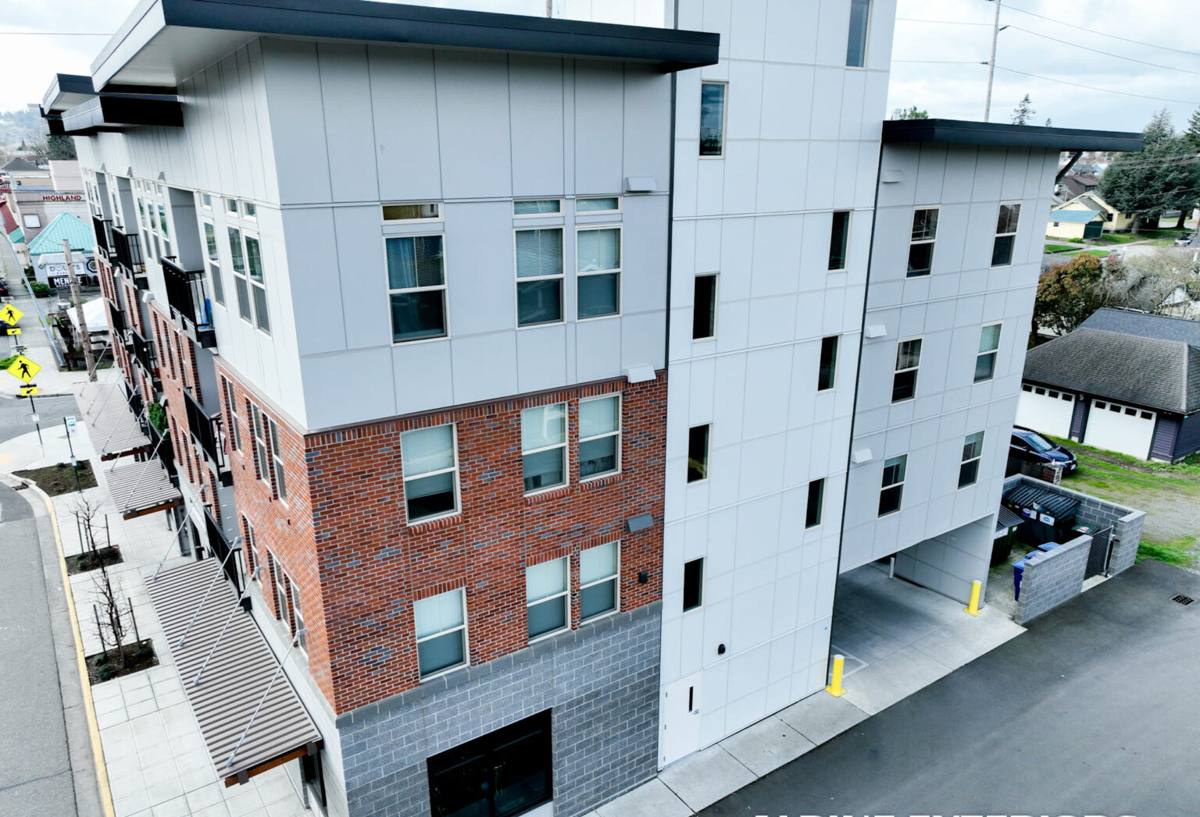
What "New-Construction Windows" Actually Means
The term gets used loosely, so it's worth being precise. New-construction windows have a nailing flange (fin) around the perimeter of the frame that fastens directly to the wall sheathing and integrates with the house wrap or weather-resistive barrier before siding or stucco goes on. That's different from a replacement or "insert" window, which slides into an existing frame that stays in the wall. New-construction windows go in during:
- Ground-up new builds
- Room additions or Florida rooms being converted to conditioned space
- Gut renovations where exterior walls are opened to the studs
- Post-storm rebuilds where a home is being elevated or an exterior wall is being rebuilt
Because the flange fastens into the framing and ties into the drainage plane, this installation method gives you the most control over water management — which matters more in Coquina Key than in most of St. Petersburg, given how much wind-driven rain a canal-front wall can take during a single storm.
What Coquina Key Homes Need From These Windows
Wind and Impact Resistance
Pinellas County sits inside Florida's wind-borne debris region under the Florida Building Code. That means new windows on most homes here need to either carry an impact rating, with glass and frame tested to resist wind-borne debris, or be paired with code-approved shutters that can be deployed ahead of a storm. On a new-construction job, we size every window's design pressure rating to the wall it's going into — corner openings and tall window walls typically need a higher rating than a small window centered in a gable wall.
Salt Air and Corrosion
Canal-front and bay-adjacent air carries salt that attacks unprotected metal. Screws, hinges, balance hardware, and lower-grade cladding all corrode faster here than a few miles inland. That pushes frame material and hardware choice higher up the priority list for anyone building or rebuilding on Coquina Key.
UV and Heat Gain
Florida sun is intense and near-constant, and canal lots often have wide-open west- or water-facing exposures with little tree canopy to block afternoon sun. Glass with the right low-E coating and solar heat gain rating keeps a room livable in August without leaning entirely on the air conditioner, and it protects flooring and furniture from years of UV fading.
Wind-Driven Rain and Water Intrusion
Rain in a Gulf Coast storm doesn't fall straight down — wind drives it sideways and up under trim, sills, and poorly lapped flashing. A new-construction window only performs as well as the flashing detail around it, which is why the installation sequence matters as much as the window itself.
Frame Material Comparison for a Canal-Front Lot
| Frame Material | Salt Air Performance | Maintenance | Typical Trade-Offs |
|---|---|---|---|
| Vinyl | Won't corrode or rust; solid baseline for coastal use | Low — no painting, occasional cleaning | Can't be repainted a different color later; frame profiles run bulkier than aluminum |
| Aluminum | Strong, but needs a marine-grade or coastal-rated finish to resist pitting near salt water | Moderate — finish should be checked periodically for wear | Conducts heat and cold more than vinyl or fiberglass; lower-grade mill-finish aluminum corrodes fast on canal lots |
| Fiberglass | Excellent — dimensionally stable, doesn't corrode, holds paint well | Low to moderate | Higher upfront cost than vinyl |
There's no single right answer for every home. A small canal-facing bedroom window and a wide great-room window wall don't always call for the same material. We walk through the trade-offs for your specific openings instead of defaulting to one product for every job.
How We Install New-Construction Windows Correctly
The window itself is maybe half the job. The other half is the sequence around it, and skipping steps here is how a good window still leaks during a wind-driven rain event. Our process on a new-construction opening:
- Confirm the rough opening is square, level, and sized to the manufacturer's specification before the window is ever set
- Install sloped sill pan flashing so any water that gets past the window drains back out, not into the wall cavity
- Set the window and fasten the nailing flange following the manufacturer's approved fastening schedule — spacing and fastener type aren't optional, they're part of what the product approval is based on
- Integrate the flange with the house wrap or weather-resistive barrier in the correct shingle-lap order, sides first and then the top, so water is always directed outward and down
- Seal and back-caulk per the manufacturer's instructions, not just a bead of caulk around the trim afterward
- Photograph and document the flashing and fastening before it's covered by siding or stucco, so there's a record of how the opening was built
That documentation step matters in a canal neighborhood. If a question ever comes up about how an opening was flashed, you want an answer better than "trust us."
Permits, Codes, and Inspections in Pinellas County
New-construction window installation in St. Petersburg requires a permit, and the inspector checks more than whether the window opens and closes. Expect these to come up on a Coquina Key job:
| Code Requirement | What It Covers |
|---|---|
| Wind-borne debris region compliance | Impact-rated glazing or approved shutter protection, matched to the wall's design pressure |
| Product approval documentation | Paperwork showing the specific window model has been tested and approved under Florida's code, kept on file for the inspector |
| Egress | Bedrooms need a window meeting minimum opening size and sill height for emergency escape |
| Energy code | U-factor and solar heat gain coefficient limits appropriate to Florida's climate zone |
We pull permits, schedule inspections, and keep product approval documentation on hand so there's no scramble when the inspector shows up.
Our Process, Start to Finish
For a Coquina Key new-construction window job, we typically:
- Walk the site and measure every opening, noting which walls face open water or prevailing storm wind
- Match each opening to a window with a design pressure rating and product approval suited to that wall, not a one-size answer for the whole house
- Provide a written proposal with frame material, glass package, and installation scope spelled out
- Pull the permit and schedule the install around the framing or rough-in timeline
- Install following the sill-pan-and-flashing sequence above, with documentation before the opening is closed in
- Meet the inspector and walk you through the finished openings before we consider the job done
Why a Crew That Already Works Coquina Key Matters
Coquina Key isn't a typical inland St. Petersburg block. Lots are narrow, many backing directly onto a canal, which affects staging, material delivery, and where a lift or scaffold can go. A number of homes here have been elevated, added onto, or rebuilt in recent years, which means openings aren't always standard sizes and older framing doesn't always match current code requirements. A crew that has already worked this neighborhood knows to check finished floor elevation against flood zone requirements, expects to find non-standard rough openings on older slabs, and isn't guessing at how a canal-facing wall behaves in a storm. That experience shows up as fewer surprises mid-job and a finished opening that's actually built for where it sits, not just for a generic Florida house.
Cost Factors and What to Check Before You Hire
New-construction window pricing depends on more than the number of openings. Frame material, glass package, the size and shape of each opening, the impact rating required for that wall, and how much flashing and rough-opening prep is needed all move the number. A modest bedroom window costs less installed than a large impact-rated window wall on an open water-facing elevation, so ask for a written, opening-by-opening proposal rather than a single lump figure so you can see what's driving the cost.
Before you hire anyone for new-construction window work in this neighborhood, check for:
- An active Florida contractor license and proof of liability insurance
- Willingness to pull the permit themselves rather than asking you to owner-permit the job
- Product approval documentation for the specific window model, not just a general brand claim
- A written scope naming frame material, glass specification, and design pressure rating for each opening
- A clear answer on who documents the flashing and fastening before it gets covered up
If a contractor can't answer those points clearly before the contract is signed, that's worth noticing now, before the siding goes back on.
If you're planning new construction, an addition, or a storm rebuild in Coquina Key and want windows sized and installed correctly for a canal-front lot, we're glad to walk the site with you. Reach out for a free, no-pressure estimate using the form below.