 St. Petersburg Siding
 Windows on Snell Isle Work Harder Than Most
Snell Isle sits close to open water, which means its homes take a heavier dose of everything that wears windows out: salt-laden air, wind-driven rain, direct year-round UV, and gusts that ramp up fast whenever a storm system moves through Tampa Bay. A window that would last two or three decades in a more sheltered inland neighborhood can show real wear on Snell Isle in half that time if it wasn't installed with this exposure in mind.
That's not a reason to over-spec every window in the house. It's a reason to be honest about what the location demands: correct glass and frame choices, correct flashing and sealant work, and installation details that account for wind pressure and water intrusion, not just a snug fit in the opening. We work window replacement jobs across St. Petersburg and Pinellas County, and Snell Isle's waterfront position is one of the more demanding settings we see locally.
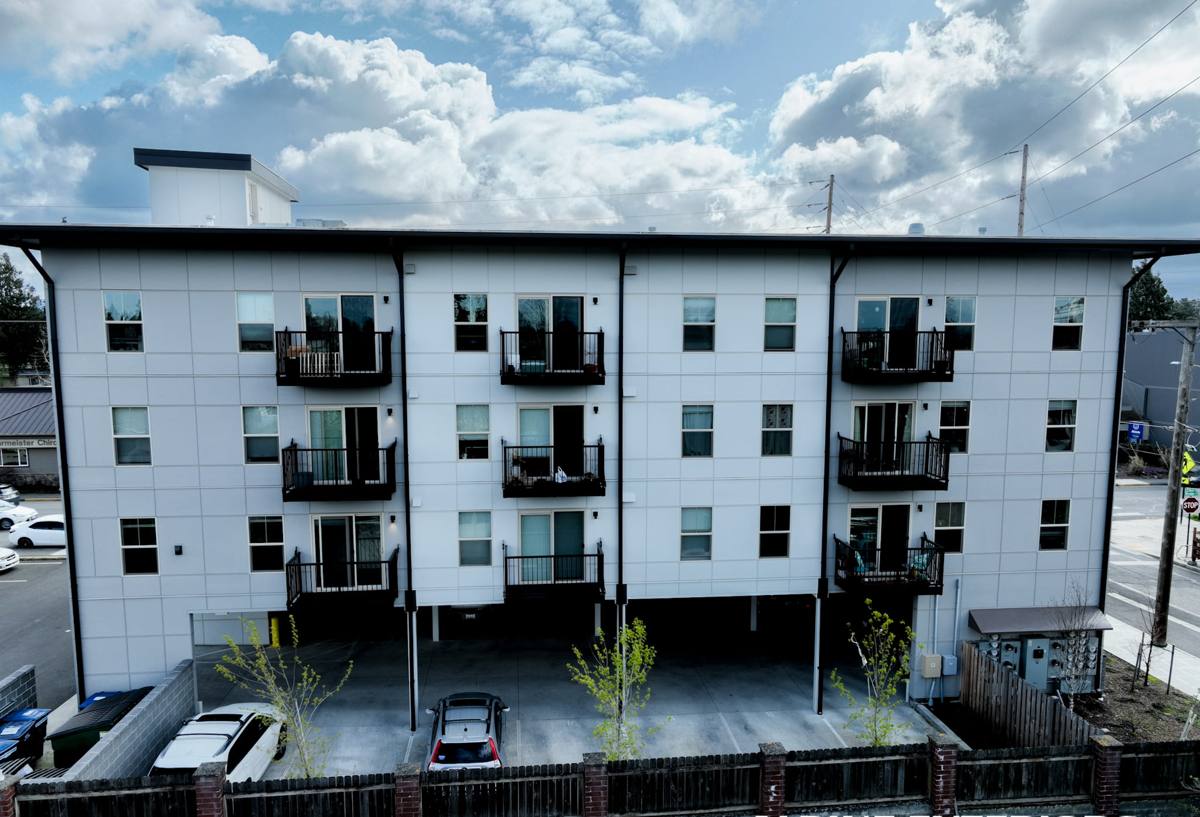
How Salt Air, Sun, and Wind Actually Damage Windows
Salt Air
Airborne salt settles on frames and hardware and speeds up corrosion on anything not rated for coastal exposure. Cheaper aluminum hardware, uncoated fasteners, and low-grade weatherstripping degrade faster here than they would a few miles inland. Over time you get pitting on hardware, stiff or sticking locks, and seals that lose their grip.
Intense, Year-Round UV
Florida sun doesn't take a season off. UV breaks down vinyl and rubber components, fades interior finishes, and can cloud or delaminate lower-quality insulated glass units over the years. Good glass packages and UV-stable frame materials matter more here than they would in a milder climate.
Wind-Driven Rain and Wind Pressure
Even outside of a named storm, Tampa Bay throws plenty of squalls with sideways rain and strong gusts. Water doesn't need a hurricane to find a gap in flashing or a poorly sealed nailing fin — it just needs wind pushing it sideways during a normal summer storm. This is the piece homeowners often underestimate: most window failures we see aren't glass failures, they're installation failures around the perimeter of a perfectly good window.
Signs a Snell Isle Home's Windows Need Attention
- Fogging or a permanent haze between panes — the seal on the insulated glass unit has failed
- Visible daylight or drafts around the frame when the window is closed and locked
- Soft or discolored drywall, trim, or sill area near a window after rain
- Windows that are difficult to open, close, or lock — often a sign of frame movement or corroded hardware
- Noticeably higher AC run time or a room that never quite matches the thermostat setting
- Chalky, pitted, or corroded exterior hardware and frame finishes
- Visible gaps or cracked sealant where the frame meets the exterior wall
Any one of these on its own might just mean routine maintenance. Several together, especially on a home that's had its original windows for 15-plus years, usually means it's time to look at replacement rather than another round of caulk and patch.
What a Correct Window Replacement Actually Involves
The window itself is maybe half the job. The other half is everything around it, and that's where most long-term problems either get prevented or get built in.
- Removal without damage. Old units come out cleanly, and the opening gets inspected for rot, moisture damage, or framing issues before anything new goes in. Problems found here get addressed, not covered up.
- Flashing and drainage path. Proper flashing tape and a clear path for any water that does get past the exterior finish to drain back out — this is the single most important step for preventing hidden leaks.
- Correct fastening for wind load. Fastener type, spacing, and embedment matter for how the window performs in gusts, not just whether it looks straight.
- Sealant, not just caulk. The right sealant at the right joints, applied so it actually bonds and stays flexible rather than just filling a gap cosmetically.
- Interior and exterior finish work. Trim, sill, and interior finish restored properly so the job doesn't just perform well — it looks like it belongs on the house.
Skip or rush any of these steps and even a top-tier window can leak, fail early, or underperform its rating. This is why we treat installation quality as equal to product quality, not an afterthought to it.
Impact-Rated Glass vs. Standard Glass
One of the first decisions on a Snell Isle window replacement is whether to go with impact-rated glass, and it's worth understanding the real trade-offs rather than assuming one option is automatically right.
| Factor | Impact-Rated Windows | Standard Windows + Shutters/Panels |
|---|---|---|
| Storm protection | Built-in laminated glass stays intact under impact | Relies on separate shutters or panels being installed before a storm |
| Day-to-day convenience | No prep needed before a storm | Requires physically installing protection each time |
| Upfront cost | Higher per window | Lower window cost, added cost for shutters/panels |
| Noise and UV performance | Often noticeably better on both counts | Varies by glass package chosen |
| Insurance considerations | Can factor into wind mitigation credits | Depends on the specific protection method and documentation |
Neither option is wrong. It comes down to budget, how the home is used, and how much homeowners want to rely on remembering to deploy separate storm protection. We'll walk through both honestly rather than pushing the more expensive option by default.
Frame Material Considerations
Vinyl, aluminum, and fiberglass all show up in this market, and each has real trade-offs in a salt-air, high-UV environment. Vinyl performs well against corrosion but varies widely in UV stability by manufacturer. Aluminum is strong and slim-profile but needs a quality coating to resist salt corrosion long-term. Fiberglass holds up well to both UV and moisture but costs more upfront. We'll talk through what fits the specific home rather than defaulting to one material across every job.
Permitting and Wind Mitigation in Pinellas County
Window replacement in St. Petersburg falls under Pinellas County building code, which sets minimum wind pressure and impact requirements based on the home's location and exposure. Snell Isle's waterfront position generally puts it in a higher wind zone than inland parts of the city, which affects what glass and framing specs are required, not just recommended. Permitted work also matters for insurance — many carriers ask for permit documentation and product approval numbers when applying wind mitigation credits, and unpermitted window work can complicate a claim or a future home sale. We pull permits and handle inspections as a standard part of the job, not an optional add-on.
Our Process, Start to Finish
- Free on-site assessment. We look at existing windows, framing condition, and the home's specific exposure before recommending anything.
- Straight recommendation and written estimate. Options explained in plain terms, including trade-offs, so the decision is an informed one.
- Permitting. We handle the paperwork with Pinellas County so the job is documented and inspection-ready.
- Installation. Careful removal, proper flashing and sealing, correct fastening, and finish work done to match the home.
- Final walkthrough and inspection. We confirm operation, sealing, and finish with the homeowner and close out the permit.
Why a Crew That Already Works Snell Isle Matters
Window replacement isn't a one-size-fits-all trade, and coastal Pinellas County isn't a generic climate. A crew that regularly works St. Petersburg's waterfront neighborhoods already knows what salt exposure and wind pressure actually do to different products and installation methods over time — not from a manufacturer's brochure, but from seeing which details hold up locally and which ones don't. That local track record shows up in fewer callbacks for leaks, hardware that still operates smoothly years later, and finish work that survives the sun instead of chalking and fading early.
It also means a contractor who's already familiar with the county's permitting process and typical inspection requirements for this area, which keeps the paperwork side of the job moving instead of stalling it.
Keeping New Windows Performing Long-Term
- Rinse frames and tracks periodically to clear salt buildup, especially after storms
- Lubricate locks and hardware on a regular schedule to prevent corrosion-related sticking
- Inspect exterior sealant annually and have gaps or cracking addressed before rainy season
- Keep window screens and tracks clear of debris so drainage paths stay open
- Have hardware and weatherstripping checked periodically rather than waiting for a visible leak
None of this is complicated, but skipping it is the most common reason a good window replacement underperforms its expected lifespan in a coastal setting like this.
Ready to Talk About Your Windows?
If your Snell Isle home's windows are showing their age, or you just want an honest read on whether repair or replacement makes more sense right now, we're glad to take a look. Use the form below to request a free, no-pressure estimate — we'll assess the home, explain the options in plain language, and give you a straightforward recommendation with no obligation attached.