 St. Petersburg Siding
 Why Storms Hit Gulfport Roofs Harder Than People Expect
Gulfport sits right on Boca Ciega Bay, and that waterfront exposure changes what a roof has to survive compared to a home a few miles inland. When wind comes off open water, it arrives with fewer trees and buildings to slow it down, and it carries salt spray with it. Add in Florida's punishing UV load almost every day of the year, and you've got a roof that's working harder than most people realize, storm or no storm. Understanding that baseline stress is the first step in understanding why storm damage repair here needs to be done right, not just done fast.
Wind-Driven Rain Finds Every Gap
During tropical storms and hurricanes, rain doesn't just fall — it's driven sideways and upward under shingle edges, around flashing, and into any seam that isn't sealed properly. A roof that looks intact from the ground can still be taking on water at the laps and penetrations. This is why so much storm damage shows up as a leak weeks after the wind has died down, not during the storm itself.
Salt Air Speeds Up Corrosion
Metal fasteners, flashing, and drip edge all corrode faster this close to the bay than they would ten or fifteen miles inland. Corroded fasteners lose their grip strength over time, which means a roof that was properly installed years ago can become more vulnerable to wind uplift simply from age and salt exposure — even before a storm tests it.
Year-Round UV Exposure Bakes the Materials
Pinellas County doesn't get much of a break from the sun. Constant UV exposure dries out asphalt shingles, causing granule loss and brittleness. A shingle that's lost its flexibility is far more likely to crack or tear loose in high wind than one that's still supple, which is part of why an aging roof and a bad storm are such a common combination.
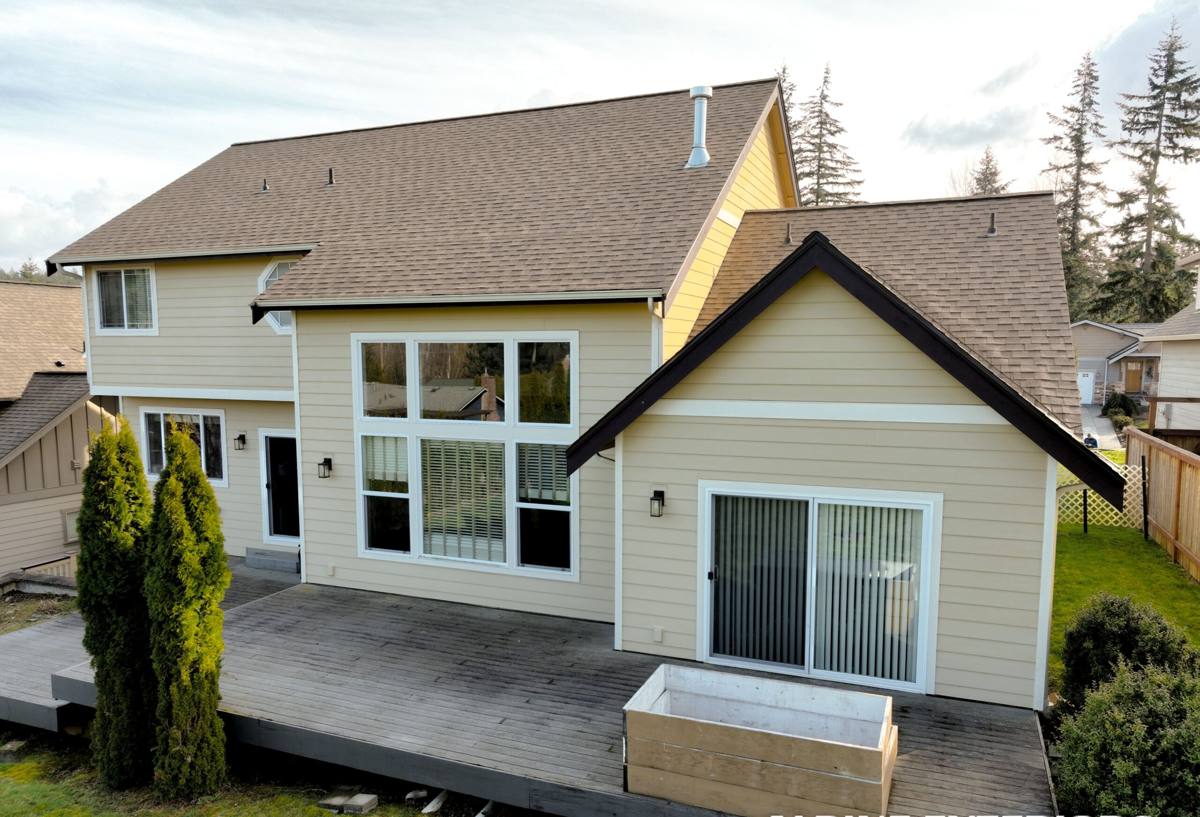
What Storm Damage Actually Looks Like on a Gulfport Roof
Storm damage isn't always a dramatic hole in the roof. More often it's subtle — a lifted shingle here, a bent piece of flashing there — and it's easy to miss from the ground. Knowing what to look for after a windstorm helps you catch problems before they turn into interior water damage.
- Granules collecting in gutters, downspouts, or in the yard after wind or heavy rain
- Shingles that are lifted, curled at the edges, or missing outright
- Soft or spongy spots felt when walking the roof (a sign of a compromised deck)
- Cracked, bent, or displaced flashing around chimneys, vent pipes, and skylights
- Water stains or discoloration on interior ceilings, especially after a storm
- Visible daylight coming through the roof deck when viewed from inside the attic
- Dents or punctures from wind-blown debris, branches, or roof-mounted equipment
Gulfport's Older Homes Bring Their Own Challenges
A lot of the housing stock in and around Gulfport is older Florida construction — bungalow and cottage-style homes, often with additions built at different times. That history matters when you're repairing storm damage, because the roof isn't always one uniform system.
Multiple Roof Ages Under One House
It's common to find an original roof section next to a newer addition with a different pitch, different decking, or even a different roofing material. Storm damage repair on these homes means treating each section on its own terms rather than assuming one fix applies everywhere.
Working Around Existing Character
Older Gulfport homes often have rooflines, eaves, and trim details that give the house its character. A repair that ignores that — mismatched shingle color, the wrong profile, careless flashing work — can leave a home looking patched even after the leak is fixed. We match materials and detailing as closely as the situation allows, and we're upfront when an exact match isn't realistic.
What a Correct Storm Repair Actually Involves
Nailing a new shingle over a damaged area might stop a leak for a little while, but it isn't a real repair. A correct storm repair addresses the whole system underneath.
Checking the Deck First
Before any new roofing goes down, the deck underneath needs to be checked for soft spots, rot, or delamination — especially on older homes where the original decking may be decades old. Repairing over a compromised deck just hides the problem and shortens the life of the new work.
Flashing and Underlayment Do the Real Work
Shingles shed the bulk of the water, but flashing and underlayment are what actually keep a roof watertight at the vulnerable points — valleys, chimneys, walls, and vent penetrations. Storm damage that looks minor on the shingle surface often means the flashing underneath needs to be replaced, not just resealed.
Fastening for Florida Wind Conditions
Florida Building Code sets minimum fastening and material standards for wind resistance, and those standards exist because of storms like the ones Gulfport actually experiences. A repair that meets code on fastening pattern and material rating holds up meaningfully better in the next storm than one that just gets the roof watertight for now.
Our Storm Damage Repair Process
- Inspection and documentation — we get on the roof (or use a safe alternative when conditions don't allow it) and document the damage with photos, which also helps if you're filing an insurance claim.
- Emergency mitigation — if there's an active leak, we tarp or otherwise stabilize the area to stop further water intrusion while repairs are planned.
- A written repair plan — we explain what's damaged, what needs to be replaced versus repaired, and what materials we'll use, in plain language.
- The repair itself — deck work first if needed, then flashing and underlayment, then the finish roofing material, pulling permits when the scope requires it.
- Final walkthrough — we go over the completed work with you so you know exactly what was done and why.
Repair or Replace? How We Help You Decide
Not every storm-damaged roof needs to be replaced, and not every repair is the right long-term call. We walk through the same factors with every homeowner so the decision is based on the actual condition of the roof, not guesswork.
| Factor | Points Toward Repair | Points Toward Replacement |
|---|---|---|
| Roof age | Well within its expected service life | Nearing or past its expected lifespan |
| Extent of damage | Isolated to one area or slope | Spread across multiple sections |
| Deck condition | Sound and dry underneath | Soft, rotted, or previously patched more than once |
| Insurance scope | Adjuster approves a targeted repair | Adjuster approves full replacement |
| Storm history | First real damage the roof has taken | Repeated damage from past storms |
Insurance Claims: What We Can (and Can't) Do
We're not insurance adjusters, and we won't pretend to be. What we can do is give you an honest, documented read of the damage — photos, a written scope, and a straightforward opinion on repair versus replacement — so you're walking into a claim conversation with real information instead of guessing. If an adjuster's assessment doesn't match what we found on the roof, we're glad to talk through the difference with you.
Cost Factors for Gulfport Storm Repairs
There's no single number that applies to every storm-damaged roof, because the cost depends on what's actually wrong and how much of the roof it affects. A small, localized flashing or shingle repair often runs a few hundred dollars; a larger repair involving deck replacement or a full slope can run into the thousands. We give you a real, written number after inspecting the roof in person — not a phone quote.
| Factor | Why It Affects Cost |
|---|---|
| Size of the damaged area | More square footage means more material and labor |
| Roofing material | Asphalt, tile, and metal repairs involve different labor and material costs |
| Deck condition | Rotted decking adds material and time before the roofing can go back on |
| Roof accessibility | Steep pitches or hard-to-reach sections take more time and safety setup |
| Permitting requirements | Larger repairs may require permitting through the county, which adds time |
Why a Crew That Already Works in Gulfport Matters
After a storm, it's common to see out-of-town crews going door to door offering fast repairs. Some are legitimate; many aren't around by the time a warranty issue comes up. A crew that already works in Gulfport and the surrounding St. Petersburg area has a reason to do the job right — we're not leaving town, and our reputation here is built job by job. We also already understand the mix of older and newer homes in the area, the local permitting process, and what it actually takes for a roof this close to the water to hold up.
Keeping Your Roof Ready for the Next Storm
Storm damage repair isn't just about fixing what already broke — it's a chance to reduce what breaks next time.
- Clear gutters and downspouts before storm season so water has somewhere to go
- Trim back branches that overhang the roof
- Have loose, cracked, or aging flashing resealed before it becomes a leak
- Schedule a post-storm inspection even if you don't see obvious damage
- Keep attic ventilation clear — trapped heat and moisture shorten a roof's life
If a recent storm has you wondering about the condition of your roof, we're happy to take a look. We offer free, no-pressure estimates for Gulfport homeowners — just fill out the form below and we'll set up a time to inspect the damage and give you an honest answer.