 St. Petersburg Siding
 Why Gulfport Roofs Wear Out Faster Than Roofs Inland
Gulfport sits right on Boca Ciega Bay, which means every roof here deals with a combination of stresses that inland Florida homes simply don't see as intensely. Salt-laden air corrodes exposed metal fasteners, flashing, and vent stacks years before it would in a drier climate. Nearly year-round UV exposure bakes shingles and breaks down asphalt oils faster than manufacturer lifespan charts assume. And when a tropical system or even a strong summer thunderstorm rolls through, wind-driven rain finds every weak seam, nail pop, and aging flashing detail and forces water underneath the roof covering instead of over it.
None of this means a roof in Gulfport can't last its full expected lifespan — it means the installation has to account for these conditions from the start, not patch around them later. A roof built to a generic standard, without attention to fastening schedule, underlayment choice, and flashing detail, will show its age in this environment well before a roof built correctly for it.
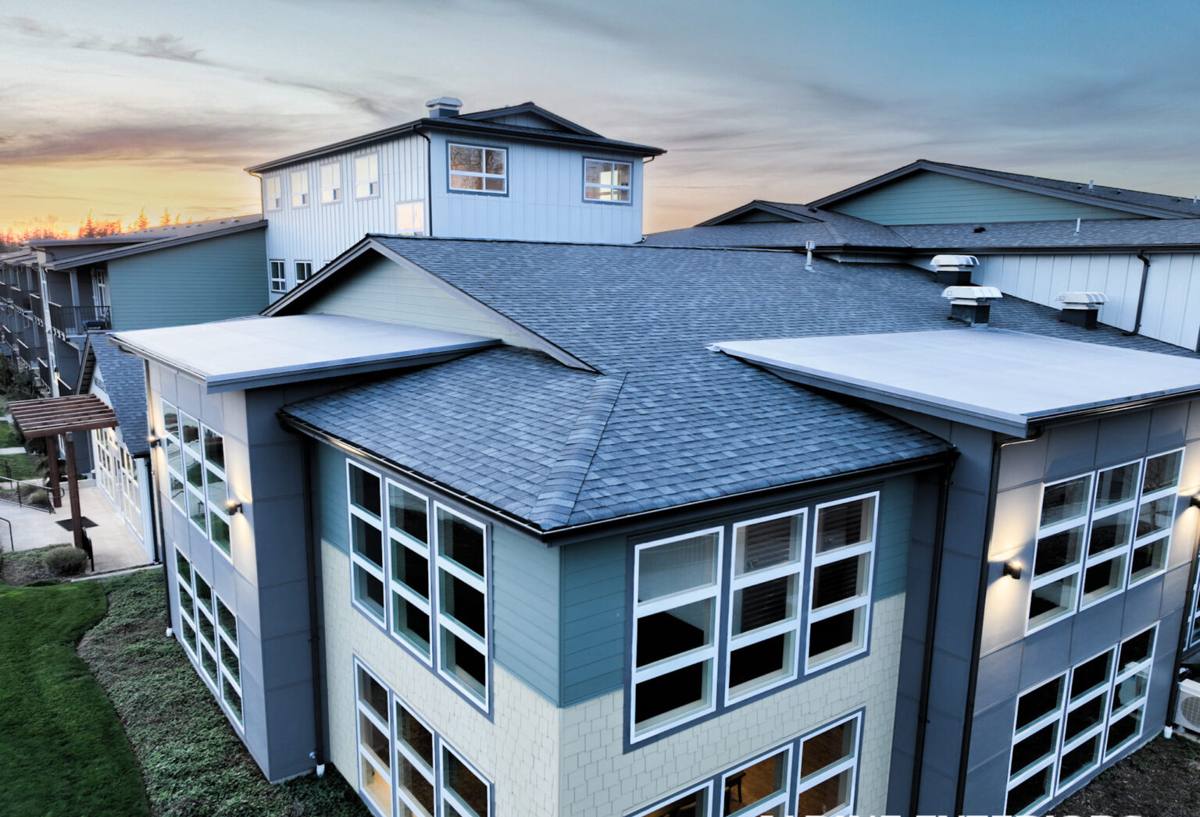
Signs a Gulfport Home Actually Needs a New Roof
Not every roof problem calls for full replacement, but there are signals that repair is no longer the honest answer:
- Shingles that are cracked, curling at the edges, or losing granules in visible patches (check your gutters for granule buildup)
- Soft or spongy spots when walking the roof, which usually means the decking underneath has taken on moisture
- Daylight visible through the roof deck from inside the attic, or staining on attic rafters
- Multiple repairs in the last few years that haven't stopped the leaking
- A roof that is 18-20+ years old, especially if it's never been re-covered or fully replaced
- Visible storm damage after high winds — lifted or missing shingles, exposed underlayment, or bent flashing
If your roof is showing two or more of these at once, a full replacement is usually the more honest recommendation than another round of patching — repeated repairs on an aging roof tend to cost more over a few years than one correct installation.
Insurance and Age Considerations
Many Florida insurers have tightened requirements around roof age in the last several years, and some policies become harder or more expensive to renew once a roof passes a certain age threshold regardless of its actual condition. If you're getting insurance pushback on an aging roof, that's a legitimate reason to start planning a replacement even before it's leaking.
What a Correct New Roof Installation Actually Involves
A new roof is more than removing old shingles and nailing down new ones. Done right, it's a sequence where each step protects the one after it:
- Tear-off to the deck. All old roofing material comes off so the decking can actually be inspected, not covered over.
- Deck inspection and repair. Any rotted, delaminated, or water-damaged plywood or OSB is identified and replaced before anything new goes down.
- Drip edge and underlayment. Metal drip edge at the eaves and rakes, followed by a synthetic or self-adhering underlayment layer that acts as the roof's real waterproofing barrier.
- Flashing at every penetration and transition. Chimneys, vents, skylights, valleys, and walls all need properly formed and sealed flashing — this is where most leaks actually originate, not in the field of the shingles.
- Field installation of the roof covering — shingles, metal panels, or tile — installed to the fastening pattern and exposure the manufacturer and Florida Building Code require for the local wind zone.
- Ventilation check. Proper intake and exhaust ventilation keeps attic temperatures and moisture in check, which protects both the roof deck and the shingles from the underside.
- Cleanup and final inspection. Magnetic sweep for nails, debris removal, and a final walk-through before the permit is closed out.
Skipping or rushing any one of these steps is exactly how a roof that looks fine for a year or two starts leaking by year three.
Roofing Material Options for a Coastal Neighborhood Like Gulfport
There's no single "best" roofing material for every home — the right choice depends on budget, roof pitch, HOA or deed restrictions in some Gulfport neighborhoods, and how long you plan to stay in the home. Here's an honest comparison of the options we install most often in this area:
| Material | Typical Lifespan | Wind Performance | Maintenance |
|---|---|---|---|
| Architectural asphalt shingles | 20-30 years | Good, with proper fastening and high-wind rated products | Low; periodic inspection after storms |
| Standing seam metal | 40-50+ years | Excellent when properly installed and fastened | Low; watch fastener and sealant condition near salt air |
| Concrete or clay tile | 40-50+ years | Very good, but individual tiles can crack or dislodge in extreme wind | Moderate; occasional tile replacement, underlayment is the real waterproofing layer |
Whatever material a homeowner chooses, we're honest about trade-offs rather than just upselling the most expensive option. Metal and tile cost more upfront but spread that cost over a much longer service life; architectural shingles cost less upfront and are the most common replacement choice in this area for good reason — they perform well when installed correctly and are easier to repair or partially replace later.
Our New Roof Installation Process in Gulfport
Because we already work in this neighborhood regularly, our process is built around what actually gets a roof approved, installed, and passed on the first try here:
- On-site inspection and honest assessment — we look at the current roof, attic ventilation, and decking condition before recommending replacement over repair
- Written estimate with material options laid out clearly, no pressure to pick the most expensive one
- Permitting handled through the appropriate local building department, since roof replacements in Pinellas County require a permit and inspection
- Material delivery and scheduling timed around weather windows, which matters more here than in most parts of the country
- Tear-off and installation, typically completed within one to a few days depending on roof size and complexity
- Daily cleanup so the property isn't left with exposed debris or nails overnight
- Final inspection sign-off, plus a walk-through so you know exactly what was done and what warranty coverage applies
Permits, Wind Requirements, and Wind Mitigation
Pinellas County roofs are governed by the Florida Building Code's wind provisions, which set minimum fastening patterns, underlayment requirements, and product wind ratings based on local wind speed zones. A new roof installation has to meet these requirements to pass inspection — this isn't optional paperwork, it's the difference between a roof that performs in a storm and one that doesn't.
After a qualifying new roof is installed, it's worth having a wind mitigation inspection done. Many insurers offer meaningful premium credits for features like a hip roof shape, secondary water resistance, and modern roof-to-wall connections — features a new, correctly installed roof often qualifies for that an older roof did not.
What a New Roof Costs in Gulfport: The Real Factors
We don't publish a flat price because roof cost genuinely varies house to house, but these are the factors that actually move the number:
| Factor | Why It Matters |
|---|---|
| Roof size and complexity | More square footage, valleys, and hips mean more material and labor time |
| Material choice | Asphalt shingles, metal, and tile carry very different material and labor costs |
| Roof pitch | Steeper roofs take longer to work safely and often cost more per square |
| Decking condition | Rotted or damaged plywood found during tear-off adds material and labor not visible in an initial estimate |
| Number of existing layers | Tear-off of multiple old roofing layers takes more labor than a single-layer removal |
| Permit and code requirements | Local permit fees and required inspections are part of every legitimate roofing job |
Anyone quoting a new roof without seeing the actual roof, or refusing to explain what's driving their number, is skipping a step that matters. A fair estimate should walk you through what's included.
Why It Matters That We Already Work in This Neighborhood
A crew that already works Gulfport regularly knows things a company driving in from across the bay doesn't: which local suppliers stock the wind-rated products this coastal area needs, how the county permitting office likes submissions formatted, and what roof styles are common on the older homes in and around this part of St. Petersburg. That familiarity shortens the time between estimate and a closed-out permit, and it means fewer surprises during inspection.
It also matters after a storm. When wind damage hits a neighborhood, homeowners who already have a relationship with a local, responsive crew get seen faster than those starting from scratch with an out-of-town company that may not still be around for warranty service a few years later.
Protecting Your New Roof After Installation
A correctly installed roof still needs basic upkeep in this climate to reach its full lifespan:
- Clean gutters regularly so water isn't backing up under the roof edge during heavy rain
- Walk the roofline visually after any major storm and look for lifted or missing shingles
- Trim back tree limbs that overhang the roof to reduce debris and abrasion
- Have flashing and sealant around penetrations checked every couple of years, since salt air and UV break down sealants faster here
- Address small leaks immediately rather than waiting — water finds the path of least resistance and spreads under roofing material quickly
If you're weighing repair versus replacement, or just want an honest read on where your current roof stands, we're happy to take a look. The estimate is free, there's no pressure, and you'll get a straight answer either way — just fill out the form below to get started.