 St. Petersburg Siding
 Deck Repair Built for Seminole's Climate
Seminole sits close enough to the Gulf and to Boca Ciega Bay that salt-laden air, high humidity, and wind-driven rain are a daily fact of life for anything built outdoors. A deck here works harder than the same structure would almost anywhere inland. Add in Pinellas County's intense year-round UV load and the occasional hurricane-force wind event, and you have a structure that's constantly being pushed toward failure from four directions at once: moisture, salt, sun, and wind. Most of the deck repair calls we get in Seminole trace back to one or more of these factors compounding over time, not a single dramatic event.
That's the lens we bring to every repair estimate. A deck board that looks fine on the surface can be hiding fastener corrosion or ledger rot underneath, and a repair that only addresses the visible symptom tends to fail again within a season or two. We look at the whole system — framing, fasteners, flashing, and surface — before we tell you what actually needs to happen.
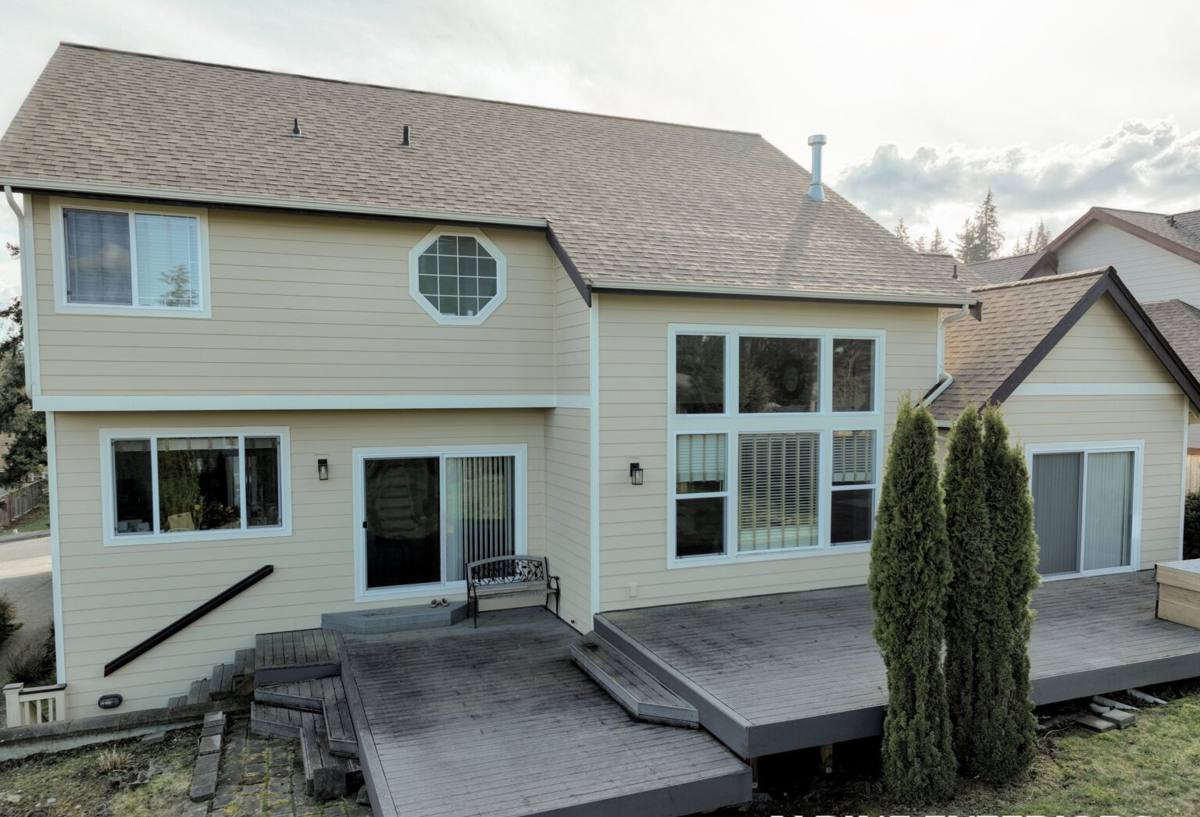
What Seminole's Weather Actually Does to a Deck
Salt Air and Fastener Corrosion
Even a few miles from open saltwater, airborne salt settles on exposed metal and accelerates corrosion far faster than it would in a dry inland climate. Deck fasteners, joist hangers, and structural screws that aren't rated for coastal exposure can start losing strength years before the wood around them shows obvious damage. This is one of the most common hidden problems we find — a deck that "seems solid" but has fasteners that have lost most of their holding power.
Wind-Driven Rain and Hidden Rot
Florida rain rarely falls straight down. Wind pushes it sideways, up under boards, and into joints and end grain that were never designed to shed water from that angle. Combined with our humidity, wood that gets wet doesn't always get a real chance to dry out between storms. That's how rot starts in ledger boards, joists, and post bases long before it's visible from the top of the deck.
UV Exposure and Surface Breakdown
Year-round sun exposure breaks down the surface fibers of wood decking and dries out the natural oils that keep it flexible, leading to graying, splintering, and checking. On composite decking, UV exposure over many years can affect surface finish and color consistency, particularly on older or lower-grade products. None of this is unique to Seminole, but the sheer number of sunny days per year here means it happens faster than in most parts of the country.
Hurricane-Force Wind Loads
Deck railings, stair connections, and ledger attachments all have to resist real uplift and lateral load during tropical storms and hurricanes, not just support foot traffic. A railing that's cosmetically fine but under-fastened is a genuine safety issue once wind gets involved, and it's one of the first things we check after any named storm passes through the area.
Signs Your Seminole Deck Needs Repair, Not Just Cleaning
- Boards that feel spongy, springy, or noticeably softer underfoot in one area
- Visible gaps opening up between the ledger board and the house
- Rust staining bleeding out around fastener heads or joist hangers
- Railings or stair stringers that flex or wiggle more than they used to
- Discoloration or dark staining at board ends, near posts, or where boards meet the house
- A musty smell coming from underneath the deck, especially after rain
- Nails backing out or popping above the board surface
- Visible daylight or gaps where flashing should be sealing the ledger connection
Any one of these on its own might be minor. Two or three together usually mean there's a structural issue developing beneath the surface that's worth having a professional look at before it gets worse — especially heading into storm season.
What a Correct Deck Repair Actually Involves
A lot of deck "repairs" in this climate amount to swapping out a rotten board and calling it done. That fixes what you can see, but if the fastener corrosion or moisture intrusion that caused the rot isn't addressed, the same spot — or the one right next to it — fails again within a year or two. Our approach starts with figuring out why the damage happened, not just where it is.
Inspection and Diagnosis
We check the ledger board connection to the house first, since that's the single most safety-critical joint on almost every deck and the one most exposed to wind-driven rain running down a wall. From there we probe joists, beams, and post bases for soft spots, check fastener condition, and look at how water has been draining (or not draining) off and around the structure.
Addressing the Root Cause
If we find rot, we trace it back to its source — often a missing or failed flashing detail, a fastener that's corroded through, or a drainage path that's letting water pool against wood instead of shedding it away. Replacing wood without fixing the water path just buys a little time.
Matching Materials and Hardware Correctly
Coastal-grade, corrosion-resistant fasteners and hardware matter here more than in most parts of the country — this isn't an upsell, it's the difference between a repair that holds for years and one that needs to be revisited. We match replacement lumber or composite decking to your existing material as closely as possible so repairs don't stand out, and we use connectors and fasteners rated for the corrosive environment Seminole's air actually presents.
Structural Re-Fastening Where Needed
Where we find railings, stair connections, or ledger attachments that don't meet current structural expectations for wind resistance, we address that as part of the repair rather than leaving a known weak point in place, particularly on any deck attached at height or over hard surfaces.
Repair vs. Replacement: How We Help You Decide
Not every damaged deck needs to be torn out. But some do, and an honest contractor will tell you which is which rather than defaulting to whichever job is bigger. The table below covers the general factors we weigh — every deck is different, and a real inspection is the only way to get a specific answer for yours.
| Factor | Leans Toward Repair | Leans Toward Replacement |
|---|---|---|
| Extent of rot | Isolated to a few boards or one framing member | Widespread across multiple framing members |
| Ledger board condition | Solid, properly flashed | Rotted, poorly flashed, or improperly attached |
| Age of structure | Under 10-15 years, built to a reasonable standard | Older structure nearing the end of its service life |
| Fastener condition | Mostly sound with a few corroded spots | Widespread corrosion throughout |
| Post and footing condition | Solid, no movement | Shifting, cracking, or undersized for current code |
| Overall goal | Extend service life a few more years | Long-term investment, style change, or code upgrade |
When repair is the right call, we say so and price it accordingly. When replacement is genuinely the better long-term value, we'll explain exactly why before you commit to anything.
Our Process for Seminole Deck Repairs
- Free on-site inspection. We walk the entire structure, not just the area you called about, since related problems often exist nearby.
- Honest written estimate. You'll know what's being repaired, why, and what materials and hardware we're using — no vague line items.
- Root-cause repair. We fix the water intrusion or fastener issue that caused the damage, not just the visible symptom.
- Coastal-appropriate materials. Corrosion-resistant fasteners and connectors suited to Pinellas County's salt air and humidity.
- Final walkthrough. We check the repair with you before we consider the job finished, including how it performed under load.
Why Local Experience in Seminole Matters
A deck built or repaired to a generic national standard doesn't necessarily hold up to Florida's specific combination of salt, humidity, sun, and wind. A crew that regularly works in Seminole and the surrounding St. Petersburg area already knows which fastener grades actually hold up here, which flashing details fail first, and which drainage patterns cause the most trouble around this specific stretch of Pinellas County. That local pattern recognition is the difference between a repair that's genuinely diagnosed and one that's guessed at.
It also means we're not learning on your project. We've seen how decks in this specific climate age, which parts of a structure typically go first, and what a repair actually needs to hold up through another few Gulf Coast storm seasons.
Maintaining Your Deck Between Repairs
A repaired deck still needs some ongoing attention in this climate to get its full service life. A few habits go a long way:
- Keep the area underneath the deck clear of debris and vegetation so air can circulate and moisture doesn't get trapped
- Check fastener heads periodically for rust staining, especially after a wet season
- Reseal or refinish wood decking on a regular schedule appropriate to the product — UV and humidity here shorten the intervals compared to drier climates
- Have railings and stair connections checked after any significant storm, even if nothing looks visibly wrong
- Address small issues — a loose board, a popped nail — before they turn into bigger structural problems
Get an Honest Look at Your Deck
If your deck has soft spots, rust staining, a loose railing, or you're just not sure whether what you're seeing is cosmetic or structural, we're glad to take a look. We'll give you a straight answer about what's actually going on and what it will take to fix it properly — no pressure, no inflated scope. Reach out for a free estimate using the form below.