 St. Petersburg Siding
 Old Northeast's Roof Needs Are Different From a New-Build Subdivision
Old Northeast is one of St. Petersburg's older established neighborhoods, built out mostly in the 1920s through the mid-century and known for its mature oak canopy, brick-paved streets, and closeness to the water. That combination — older framing, heavy tree cover, and a spot near Tampa Bay — puts different demands on a roof than what goes up on a slab in a brand-new subdivision. Rooflines here tend to be more complex, with dormers, chimneys, and multiple valleys that a production-built home simply doesn't have, and every one of those details is a place water can find its way in if it isn't flashed correctly.
Layer in what Pinellas County weather does to a roof twelve months a year — hurricane-force winds during storm season, intense UV exposure nearly every day, wind-driven rain that gets pushed sideways under poorly sealed edges, and salt air drifting in off the bay that corrodes exposed metal fasteners and flashing — and roofs in this part of St. Petersburg tend to show their age faster than the shingle wrapper's stated lifespan would suggest, especially if a past replacement cut corners on underlayment or ventilation.
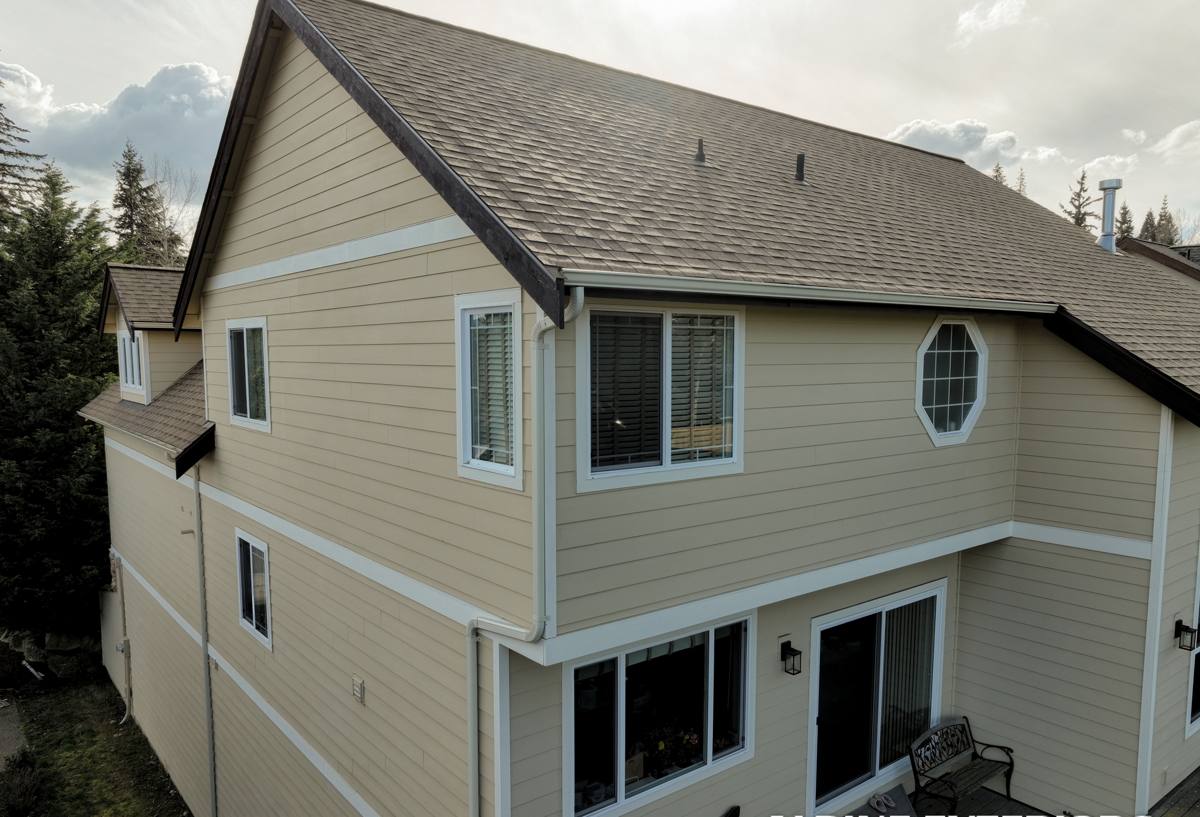
Signs an Old Northeast Roof Needs Replacing, Not Just Patching
A repair makes sense when the roof is otherwise sound and the problem is isolated — one cracked pipe boot, a handful of storm-lifted shingles, a small flashing leak. Replacement is the honest answer when the damage is systemic or the roof is simply at the end of its service life. On an older Old Northeast home, that's often the case even when the roof "looks fine" from the ground, because sun and salt exposure do their worst damage from the inside of the shingle and in the underlayment, where you can't see it.
- Granule loss heavy enough that you're finding sand-like debris in gutters and downspouts
- Shingles that are curling, cupping, or cracking across large sections of the roof, not just one spot
- Soft or spongy decking discovered during an inspection, which means water has already been getting through
- Ceiling or attic staining that shows up after every hard rain, not just after a named storm
- A roof that's 20+ years old, since most asphalt systems are well past their effective wind and weather resistance by then even if a leak hasn't shown up yet
- Visible daylight through the roof deck from inside the attic
- A wind mitigation or insurance inspection flagging the roof's age or condition
What a Correct Roof Replacement Actually Involves
Full tear-off and deck inspection
Roofing over an existing layer, or skipping a real inspection of the plywood or board decking underneath, is how problems get sealed in rather than solved. A correct replacement means stripping the old roofing down to the deck, then checking every sheet of decking for soft spots, rot, or delamination — common on older Old Northeast homes where the original decking may have seen decades of Florida humidity — and replacing anything that doesn't pass before a single new shingle goes down.
Underlayment as a real second line of defense
In a market that gets wind-driven rain, the underlayment isn't a formality — it's what keeps water out if wind ever lifts or damages the shingles above it. That means synthetic or self-adhering underlayment installed correctly at laps and edges, plus a proper secondary water barrier at eaves and valleys, the areas most exposed to driving rain during a storm.
Fastening and wind rating done to code, not to speed
Nail pattern, nail count, and fastener placement all affect how a roof performs in high wind — and they're also the parts of a job that are easiest to rush. Correct fastening to current Florida Building Code wind provisions is what separates a roof that holds through a bad storm from one that doesn't.
Ventilation that matches the house
Older homes were often built with ventilation that no longer matches the attic space or insulation levels after decades of updates and additions. Balanced intake and exhaust ventilation keeps attic heat and moisture from cooking the underside of the new roof from below, which matters even more under the near-constant UV load this area gets.
Flashing at chimneys, dormers, and valleys
This is where most leaks on older, architecturally detailed homes actually start. Every penetration and roof transition needs new flashing, not old flashing reused under new shingles, and every valley needs to be built for how much water Florida storms actually move through it.
Choosing a Roofing Material for an Older St. Petersburg Home
There's no single "right" material for every Old Northeast home — it depends on the roof's pitch, the home's structure, your budget, and how long you want to go before thinking about the roof again. Here's how the common options compare for this specific climate and neighborhood.
| Material | Typical Lifespan | Wind & Storm Performance | Considerations for Old Northeast |
|---|---|---|---|
| Architectural asphalt shingle | 20–30 years | Good when installed with correct nailing and wind-rated shingles | Most cost-effective option; wide range of colors that can complement historic homes |
| Standing seam metal | 40–50+ years | Excellent wind uplift resistance; sheds wind-driven rain well | Higher upfront cost; needs coastal-grade fasteners and coatings to resist salt air corrosion |
| Concrete or clay tile | 40–50+ years | Strong wind performance when properly fastened; heavier structural load | Common look on older Florida homes; requires the deck and framing to be verified for the added weight |
Because Old Northeast is a recognized historic neighborhood, some homeowners also weigh how a new roof reads from the street. We'll talk through profile and color options that keep a home consistent with its architectural period without steering you toward anything that doesn't hold up structurally — appearance is a real factor, but it's secondary to a roof that actually performs in this climate.
Permits, Wind Mitigation, and Insurance in Pinellas County
A full roof replacement in St. Petersburg requires a permit, and it should be pulled by the contractor, not handled informally. A permitted, inspected job is also what protects you if there's ever a warranty or insurance question down the road — an unpermitted roof can complicate both.
It's also worth having a wind mitigation inspection done after a replacement. Florida insurers offer premium credits for roofs and homes built or upgraded to current wind-resistance standards, and a new roof installed correctly is usually the single biggest lever a homeowner has to pull on that inspection. We can point you toward what documentation you'll want on hand; the inspection itself is done by a separate licensed inspector, not by us.
How Our Replacement Process Works
- Free on-site inspection and estimate, including a look at the current decking condition where accessible and a discussion of material options for your specific roof
- A written proposal with material, scope, and cost laid out plainly — no vague allowances
- Permit pulled and scheduled before any work begins
- Full tear-off, deck repair as needed, new underlayment, flashing, and installation to code
- Daily cleanup, including magnetic sweeps for stray nails, since we're often working close to neighboring yards and street parking on these older lots
- Final walkthrough and permit close-out inspection
Why Hiring a Crew That Already Works in Old Northeast Matters
Older neighborhoods come with logistics that new-construction crews aren't always used to: narrow lots, brick streets that need care with heavy equipment and dumpsters, mature trees that require careful staging and cleanup, and rooflines with more transitions and detail work than a standard truss roof. A crew that already works this neighborhood knows how to stage a job without damaging landscaping or streets, how to handle the flashing details that older architecture demands, and what these homes' decking and framing tend to look like once the old roofing comes off.
That familiarity also means fewer surprises mid-project. We're not learning how St. Petersburg's older housing stock is built on your job — we already know, which keeps the estimate closer to the final invoice and the timeline closer to what we told you up front.
Protecting Your New Roof After Installation
A correctly installed roof still benefits from basic upkeep in this climate, especially with the UV and salt exposure Pinellas County homes deal with year-round.
- Have gutters cleared regularly, especially under oak canopy where leaf and debris buildup is constant
- Schedule a visual roof check after any major named storm, even if nothing looks obviously wrong
- Trim overhanging branches back from the roofline to reduce abrasion and debris load
- Watch for granule buildup in gutters as an early sign of shingle wear
- Keep attic ventilation clear and unobstructed if you add insulation or do other attic work later
- Address any small leak or flashing issue right away rather than waiting for the next inspection cycle
If your roof is showing its age or you just want an honest read on what condition it's really in, we're glad to come take a look. The estimate is free, there's no pressure to sign anything on the spot, and you'll get a straight answer about whether you need a repair or a full replacement — just fill out the form below to get started.