 St. Petersburg Siding
 Roofing a Neighborhood Built Before Modern Wind Codes
Historic Old Southeast sits close enough to Tampa Bay that salt air, sun, and storm wind all reach it in full force, and most of the housing stock predates the wind-load and uplift standards that govern new construction in Pinellas County today. That combination — older framing and roof decking paired with modern-intensity weather — is the core problem we're solving when we replace a roof in this neighborhood. It isn't just "put new shingles on an old house." It's matching a roofing system to a structure that was built for a different climate reality than the one it's living in now.
A roof replacement done right here accounts for the age of the deck underneath, the way the home was originally ventilated, the tree canopy many of these lots sit under, and the wind and moisture exposure that comes with being close to the water. Get any one of those wrong and you can end up with a roof that looks fine on day one and fails early — or fails a permit inspection before it's even finished.
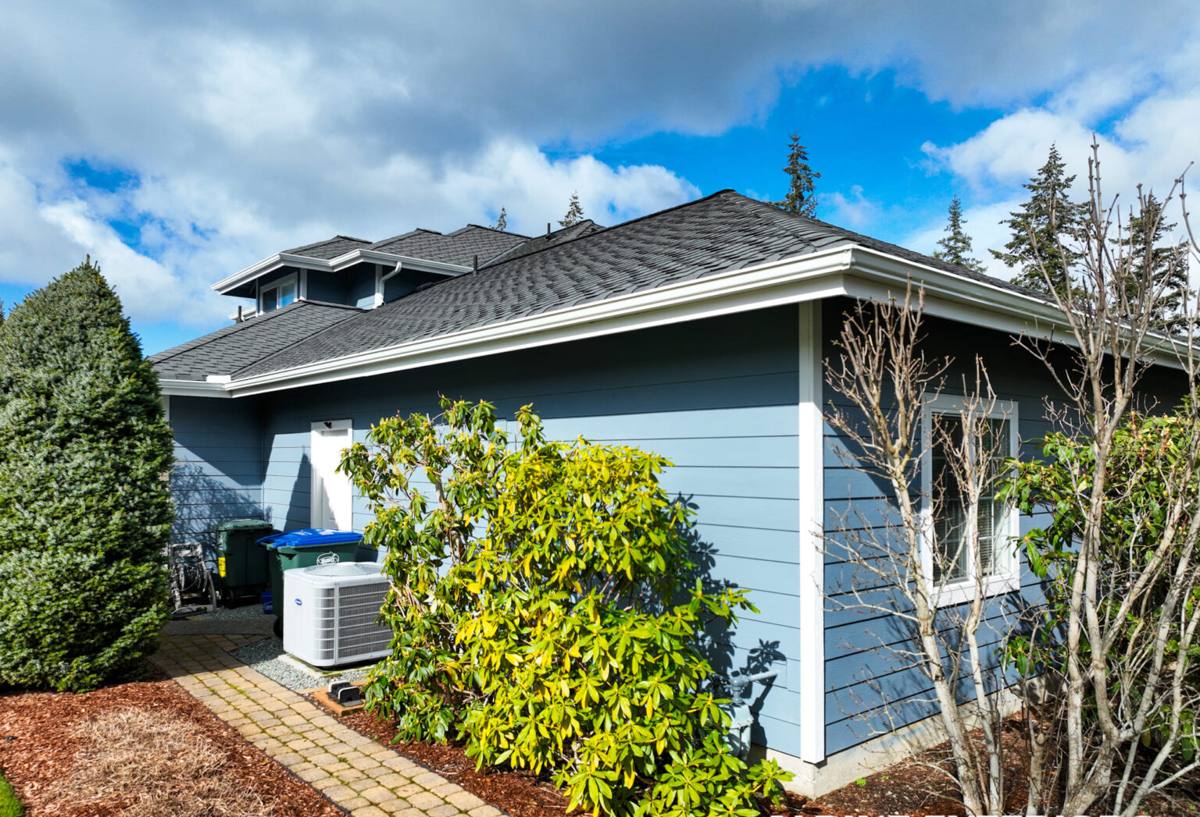
What St. Petersburg's Climate Actually Does to a Roof
Every roof in Pinellas County is fighting the same four things, and Old Southeast's older homes tend to feel the effects sooner than newer construction:
- Hurricane-force wind: Uplift at the roof edges and corners is the single biggest cause of storm roof failure — and older decking with fewer or corroded fasteners gives wind a much easier foothold.
- Intense, year-round UV: Florida's sun ages asphalt shingles and breaks down sealants faster than in most of the country, shortening the effective life of a roof regardless of what the manufacturer's warranty says.
- Wind-driven rain: St. Petersburg storms don't just fall straight down — wind pushes rain sideways and up under shingle edges, ridge caps, and flashing. Underlayment and flashing detail matter more here than in drier, calmer climates.
- Salt air: Proximity to Tampa Bay accelerates corrosion on exposed metal — nails, vents, flashing, and drip edge all corrode faster near the water than they would inland.
None of these forces are unique to Old Southeast, but they compound faster on an older roof deck that's already had decades of sun and storms working on it.
What's Different About Roofing an Older Home
The Deck Underneath Matters More Than the Shingle on Top
On a home from the early-to-mid 20th century, the roof deck itself — the boards or sheathing the roofing material is fastened to — has usually been replaced or patched at least once, sometimes with mismatched materials or aging fasteners. A proper roof replacement isn't just a tear-off and reshingle; it includes an honest inspection of the decking underneath, replacement of any soft, delaminated, or water-damaged sections, and confirmation that what's left meets current fastening standards for wind resistance.
Ventilation Was an Afterthought Then — It Isn't Now
Many older homes in this part of St. Petersburg were built before ridge and soffit ventilation systems were standard practice. Without proper intake and exhaust airflow, attic heat and moisture build up, which shortens shingle life from underneath and can contribute to wood rot you'd never see from the ground. A roof replacement is the right time to correct ventilation, not just replace the surface material.
Keeping the Architectural Character
Old Southeast has a strong mix of early Florida vernacular and Mediterranean-influenced homes, and roofline details — dormers, low-slope porch sections, decorative eaves — are part of what gives these houses their character. A replacement roof should preserve that profile, not flatten it out with a one-size-fits-all installation. That means custom flashing work around dormers and transitions rather than generic details borrowed from a standard suburban roof.
Material Options for an Old Southeast Roof
There's no single "correct" material for every home here — the right choice depends on roof pitch, budget, how long you plan to stay in the home, and how much of the original architectural look you want to preserve. Here's how the common options compare for this specific climate and housing stock:
| Material | Typical Lifespan Here | Wind Performance | Salt-Air Durability | Fit for Historic Rooflines |
|---|---|---|---|---|
| Architectural asphalt shingle | 18–25 years | Good, with proper nailing and rated wind class | Moderate — fasteners and flashing are the weak point | Good; wide color/profile range |
| 3-tab asphalt shingle | 12–18 years | Lower wind rating than architectural | Moderate | Fair; flatter, less dimensional look |
| Standing seam metal | 40+ years | Excellent when properly fastened | Very good with coated/coastal-rated panels | Good on low-slope and porch sections |
| Concrete or clay tile | 40–50+ years | Excellent when installed to current fastening standards | Excellent | Strong match for Mediterranean-style homes |
We don't push one material over another as a default. We'll walk your specific roof, talk through what you're trying to balance — upfront cost versus long-term maintenance, appearance versus budget — and give you a straight recommendation, including the honest trade-offs of each option rather than a sales pitch.
How Our Roof Replacement Process Works
- On-site inspection: We check the existing roof, attic ventilation, and — as much as can be assessed without opening the roof up — the likely condition of the decking underneath.
- Written estimate: You get a clear scope of work and price before anything is signed, including what happens if we find deck damage once tear-off starts.
- Permitting: We pull the required City of St. Petersburg/Pinellas County roofing permit and schedule inspections — this isn't optional, and it protects you if there's ever an insurance claim tied to the roof later.
- Tear-off and deck inspection: Old material comes off down to the deck, and any soft or damaged sheathing gets replaced before anything new goes down.
- Underlayment and flashing: Given how much wind-driven rain this area sees, we treat underlayment coverage and flashing detail at valleys, walls, and penetrations as critical, not optional upgrades.
- New roofing material installation: Installed to the fastening and wind-rating specifications the material and current code require — not the lighter standards an older re-roof might have used decades ago.
- Ventilation correction: Ridge and soffit ventilation added or corrected where the existing setup is inadequate.
- Final inspection and cleanup: Passed inspection, full magnetic nail sweep of the property, and a final walk-through with you.
Permits, Inspections, and Insurance
A full roof replacement in St. Petersburg requires a building permit, and the work has to pass inspection before it's considered complete. This matters for two practical reasons beyond just following the law. First, an unpermitted roof can complicate a home sale or refinance down the road, since it shows up as a red flag in county records. Second, many homeowners' insurance policies — particularly wind and hurricane coverage, which carries real weight this close to the coast — require proof of a permitted, code-compliant roof to pay out fully on a future claim. We handle the permit and inspection process as a standard part of the job, not an add-on.
If your roof is old enough that it may be affecting your insurance premium or eligibility, ask us about it during the estimate — a documented replacement with current wind-rated materials can sometimes improve your standing with your carrier, though that's ultimately between you and your insurance company.
Signs Your Old Southeast Roof May Need Replacing
Not every roof problem means a full replacement — some issues are a repair. But on an older roof, these signs usually mean it's time for a real conversation about replacement rather than another patch:
- Shingles that are curling, cupping, or losing granules in large patches rather than isolated spots
- Visible sagging anywhere along the roofline, which can point to deck or structural issues underneath
- Daylight visible through the roof boards from inside the attic
- Repeated leaks in different locations after storms, rather than one consistent trouble spot
- Missing, cracked, or corroded flashing around chimneys, dormers, or wall transitions
- A roof that's already been repaired multiple times and is approaching or past its material's expected lifespan
- Interior ceiling stains that reappear after being patched, indicating the leak source hasn't actually been fixed
If you're seeing two or more of these, it's worth having a straightforward inspection rather than waiting for the next storm to force the issue.
Why It Matters That the Crew Already Works This Neighborhood
A crew that regularly works in Historic Old Southeast has already dealt with the specific quirks of this housing stock — older deck conditions, tighter lots with mature tree canopy that affects access and cleanup, and rooflines that don't match a standard suburban template. That experience shows up in fewer surprises mid-project, more accurate estimates from the start, and a finished roof that respects the look of the home instead of fighting it.
It also matters for logistics that are easy to overlook: knowing how to protect landscaping and brick or paver surfaces common in older St. Petersburg neighborhoods during tear-off, coordinating dumpster and material staging on narrower older lots, and being familiar with how the local permitting office handles historic-district or older-home applications.
What a Fair Estimate Should Include
Before you sign anything, a roof replacement quote should spell out the material and its wind rating, the underlayment type, whether deck replacement is included or billed separately if damage is found, flashing and ventilation scope, permit responsibility, and warranty terms — both the manufacturer's material warranty and our workmanship warranty. If a quote is vague on any of these, ask for specifics before comparing price alone.
If your roof in Historic Old Southeast is showing its age, or you just want an honest read on how much life it has left, we're happy to take a look. Fill out the form below for a free, no-pressure estimate — we'll walk the roof, tell you what we actually see, and give you real options.