 St. Petersburg Siding
 Siding Installation in Pinellas Park: Built for Pinellas County Weather
Pinellas Park sits inland from the open Gulf but still lives under the same weather load as the rest of Pinellas County: long, humid summers, sudden afternoon downpours, hurricane-season wind events, and UV exposure that runs nearly year-round. Siding here isn't just a cosmetic decision — it's the layer standing between your home's framing and a climate that doesn't let up. When we install siding in Pinellas Park, we're thinking about wind-driven rain intrusion, heat cycling, and the slow degrading effect of salt-laden air that reaches well beyond the immediate coastline.
This page focuses on one thing: what a correct siding installation looks like for a Pinellas Park home, and why the product and the crew you choose both matter more than most homeowners realize until something goes wrong.
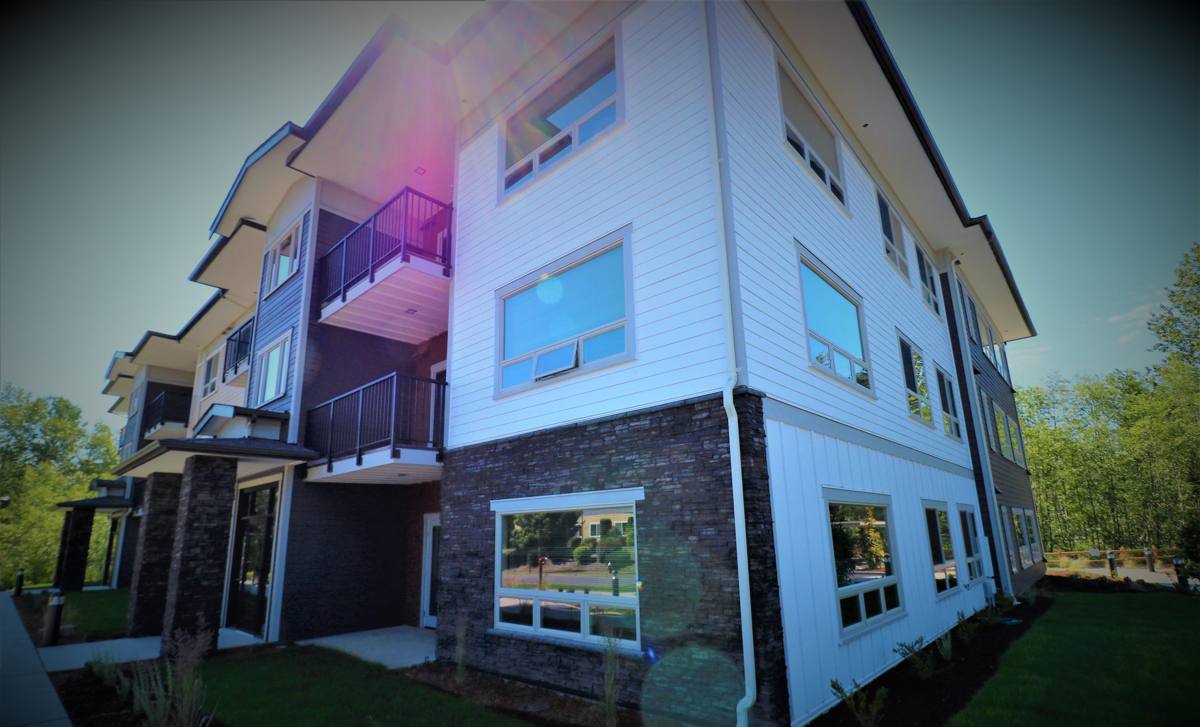
What Pinellas Park Homes Actually Need From Their Siding
A lot of siding failures aren't failures of the material itself — they're failures of fit between the material and the climate it's asked to perform in. In this part of Florida, siding needs to handle a specific combination of stresses:
- Wind resistance: Tropical storms and hurricane-force gusts push on wall assemblies directly and pull on fastener points. Siding that isn't rated and installed for wind load can lift, crack, or separate at seams.
- Wind-driven rain resistance: Rain in this region rarely falls straight down during a storm. It's driven sideways into walls, which means lap joints, butt joints, and penetrations (hose bibs, vents, light fixtures) are where water actually gets in if the install is sloppy.
- UV stability: Central Florida sun is intense and constant. Siding and especially paint finishes chalk, fade, and become brittle faster here than in milder climates.
- Moisture and humidity tolerance: High ambient humidity means siding that absorbs water swells, warps, or invites rot and mold if it can't dry out between rain events.
- Salt air exposure: Even away from the immediate waterfront, Gulf breezes carry salt inland. Salt accelerates corrosion of fasteners and trim hardware and degrades some coatings faster than inland climates would.
Any siding product can claim to handle these conditions in a brochure. What matters is how the material actually performs over 10, 20, or 30 years of real Pinellas County weather, and how forgiving it is of the installation details that make or break long-term performance.
Why We Standardized on James Hardie Fiber Cement
We install James Hardie fiber cement siding exclusively. We don't offer vinyl, LP SmartSide, Cemplank, Allura, or primed wood siding — not because those products have no merit, but because after years of doing exterior work in this climate, we settled on one system we can stand behind fully rather than offering several we'd have to caveat.
Fiber cement is non-combustible, which matters in a state where lightning-driven fires are a real risk. It doesn't expand and contract with heat the way vinyl does, so it holds its fastening and doesn't warp or sag in direct summer sun. James Hardie's ColorPlus factory-applied finish is baked on and UV-cured, which gives it a real advantage over field-applied paint in a climate that's brutal on coatings. And Hardie engineers specific product lines (their "HZ5" zone products) for exactly the humidity and moisture conditions the Gulf Coast produces. That combination — the material itself, the factory finish, and climate-specific engineering — is why it's the only system we put our name behind.
What a Correct James Hardie Installation Involves
Fiber cement siding is only as good as the installation behind it. A rushed or undertrained crew can turn a premium product into a callback waiting to happen. A correct install in Pinellas Park generally includes:
- Substrate inspection and repair. Any rot, delaminated sheathing, or compromised framing gets addressed before new siding goes up — covering a problem never fixes it.
- Weather-resistive barrier. A properly lapped and sealed water-resistive barrier goes behind the siding as the drainage plane, so incidental moisture that gets past the cladding has somewhere to go.
- Correct fastening. Hardie specifies fastener type, spacing, and placement by product line and wind zone. Under-fastening or fastening in the wrong location is one of the most common causes of blow-offs in wind events.
- Proper clearances. Siding needs a minimum gap from roofing, decks, and grade, and needs to be kept clear of continuous water contact — details that get skipped when a crew is moving fast.
- Joint and penetration sealing. Butt joints, trim intersections, and every penetration for vents, fixtures, and utilities need to be treated correctly so wind-driven rain can't track behind the cladding.
- Caulking and paint touch-up at cut edges. Any field-cut edge needs to be sealed per manufacturer spec to protect the cut face from moisture absorption.
None of these steps are exotic. They're well documented in Hardie's own installation guidelines. The issue is that skipping any one of them rarely shows up immediately — it shows up two, five, or ten years later as a moisture problem that's expensive to trace and fix.
Our Installation Process
When we install siding for a Pinellas Park home, the process follows a consistent sequence:
| Stage | What Happens |
|---|---|
| Assessment | On-site inspection of existing siding, substrate condition, and any moisture or rot issues, plus a measurement takeoff |
| Product selection | Choosing the right Hardie product line, plank exposure, and ColorPlus finish for the home's style and the site's exposure |
| Prep and repair | Removing old cladding, repairing or replacing damaged sheathing/framing, correcting any prior installation defects |
| Weather barrier install | Installing and properly lapping the water-resistive barrier and flashing at all penetrations and openings |
| Siding installation | Installing panels or planks to manufacturer fastening and clearance specs, factory-finished so field painting isn't needed |
| Trim and detail work | Corner boards, trim, caulking at joints and cut edges, touch-up as specified |
| Final walkthrough | Site cleanup and a walkthrough so the homeowner can see the finished work and ask questions |
Cost Factors for Pinellas Park Siding Projects
Every home is different, so we don't quote broad numbers without seeing the property, but a few factors consistently move the price on siding installation projects in this area:
- Substrate condition: Homes with hidden rot or moisture damage behind the existing siding need more repair work before new cladding goes on.
- Home size and complexity: Square footage, story count, and the number of corners, gables, and architectural details all affect labor time.
- Product line and profile: Hardie offers multiple plank exposures, panel styles, and ColorPlus color options, which carry different material costs.
- Removal and disposal: Tear-off of existing siding (especially multiple layers) adds labor and disposal cost.
- Trim and accessory work: Corner boards, window and door trim, and soffit or fascia work done alongside the siding.
- Access and site conditions: Two-story sections, tight side yards, or landscaping that limits equipment access can affect labor.
Why It Matters That We Already Work in Pinellas Park
A crew that regularly works in this part of Pinellas County isn't guessing at conditions — they've seen how homes here actually age, which sides of a house take the worst wind-driven rain, and where salt air tends to show up first in corroded fasteners or trim. That local pattern recognition shows up in small decisions during an install: where to add extra attention at a penetration, which corner of a home usually needs closer flashing work, how a particular roofline sheds water onto the wall below it.
It also matters for accountability. A local, established crew is the one you can call back if a question comes up after the job, not a name that disappeared once the invoice was paid.
A Practical Pre-Project Checklist for Homeowners
- Confirm the crew is specifically experienced with fiber cement, not just siding in general — installation specs differ meaningfully between materials.
- Ask what happens if rot or sheathing damage is found once old siding comes off, and how that's handled in the estimate.
- Get clarity on which Hardie product line is being proposed and why it fits your home's exposure.
- Ask about the fastening schedule being used and whether it accounts for wind zone requirements.
- Confirm how joints, corners, and penetrations will be detailed and sealed.
- Understand the warranty — both the manufacturer's product warranty and the installer's workmanship coverage.
Warranty and Long-Term Performance
James Hardie backs its products with a strong, transferable limited warranty, which matters if you sell the home before the siding's service life is up. But a product warranty only protects the material — it doesn't cover water intrusion caused by poor flashing or fastening. That's why workmanship and installation quality are just as important as the product choice itself. We install to Hardie's published specifications so the product warranty and the installation quality work together, not against each other.
If you're weighing a siding project for a Pinellas Park home and want a straight answer about what your house needs, we're happy to take a look and put together a free, no-pressure estimate using the form below.