 St. Petersburg Siding
 Pinellas Park sits inland enough to avoid direct beachfront exposure, but it still takes the same year-round punishment as the rest of Pinellas County: long stretches of intense UV, sudden wind-driven downpours, high humidity that never really lets up, and the occasional hurricane-force wind event that puts every fastener and footing on a deck to the test. A deck built here has to survive a different set of stresses than one built in a dry, mild climate, and that reality should shape every decision from framing to finish.
We build custom decks for homeowners throughout St. Petersburg and Pinellas Park, and this page walks through what actually matters for a deck in this specific area — not generic deck-building advice, but the material choices, fastening details, and maintenance realities that hold up under Gulf Coast conditions.
What Pinellas Park's Climate Actually Does to a Deck
Before talking about materials or design, it helps to understand the specific forces at work on an outdoor structure here.
Sun and UV Exposure
Florida's UV index runs high most of the year. On decking boards, that means constant fading, surface checking, and — on lower-grade wood — fiber breakdown at the surface long before the structural boards themselves are compromised. Composite decking fades too, though quality composites are engineered to resist it far better than raw wood.
Wind-Driven Rain and Humidity
Rain in this area rarely falls straight down. Afternoon storms push moisture sideways into ledger connections, under railings, and into any gap where end grain is exposed. Combined with humidity that stays elevated for months at a stretch, wood that isn't properly sealed and detailed will hold moisture longer than it should, which is the root cause of most deck rot we see.
Wind Loads
Pinellas County construction has to account for real wind loads, not just occasional gusts. That affects post spacing, railing attachment, and how a deck ties back into the house structurally. A deck that looks fine but was framed to a lighter standard is the kind of thing that fails quietly over years, then dramatically during a storm.
Salt Air
Even away from the immediate waterfront, salt-laden air moves inland across the county. It accelerates corrosion on any fastener, bracket, or hardware that isn't rated for coastal exposure. This is one of the most commonly overlooked factors in deck longevity here.
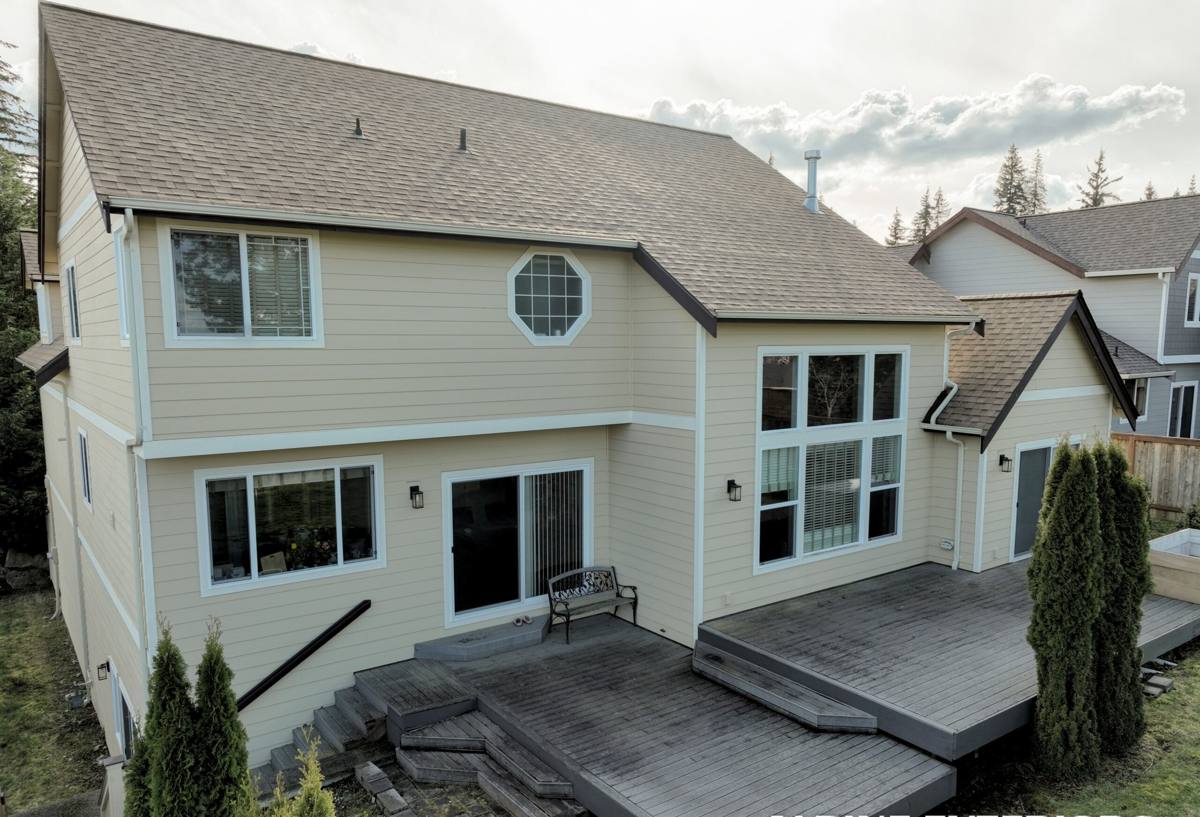
Decking Materials: What Actually Holds Up
There's no single "best" decking material — there's a best material for a given budget, maintenance appetite, and how the space will be used. Here's how the common options actually compare under Pinellas Park conditions.
| Material | UV/Fade Behavior | Moisture Behavior | Maintenance | Typical Lifespan Here |
|---|---|---|---|---|
| Pressure-treated pine | Fades and grays without sealing | Absorbs moisture; needs sealing every 1-2 years | High — regular sealing/staining | 10-15 years with upkeep |
| Composite decking | Fade-resistant, engineered pigments | Won't rot; can trap surface moisture if not ventilated | Low — periodic cleaning | 25-30+ years |
| Tropical hardwoods (e.g., ipe) | Grays over time unless oiled | Naturally dense and rot-resistant | Moderate — periodic oiling | 25+ years |
| PVC decking | Very fade-resistant | Fully moisture-proof | Low | 25-30+ years |
For most Pinellas Park homeowners, the honest tradeoff comes down to upfront cost versus long-term maintenance. Pressure-treated wood costs less initially but demands consistent sealing to survive our sun and rain cycles — skip a season or two and you're playing catch-up on a board that's already cupping or checking. Composite and PVC cost more upfront but largely remove the maintenance burden, which matters if you don't want a recurring weekend chore.
What a Correctly Built Deck Involves Here
The visible decking boards get most of the attention, but the parts you don't see are what determine whether the deck is still solid in fifteen years.
Footings and Posts
Footings need to be sized and set to local frost-free depth requirements and soil conditions, with posts properly anchored — not just set in dirt or undersized concrete. In areas with sandy or variable soil, footing depth and diameter matter more than they might elsewhere.
Ledger Attachment
Where a deck attaches to the house is the single most common failure point in decks nationally, and wind-driven rain in this climate makes it worse if it's not flashed correctly. Proper ledger flashing keeps water from tracking behind the board and into the house's rim joist — a detail that's invisible once the deck is finished but critical to get right the first time.
Fasteners and Hardware
Given salt air exposure across the county, we use fasteners and structural connectors rated for coastal/corrosive environments — not standard interior-grade hardware. Cutting corners here shows up as rust streaks and weakened connections within a few years, not decades.
Ventilation Underneath
Decks built low to the ground or over poorly draining soil trap humidity underneath, which accelerates rot in framing lumber even when the surface boards look fine. Proper spacing and grading beneath the structure lets air move and moisture escape.
Railings and Code Compliance
Railing height, baluster spacing, and attachment strength all need to meet current code — not just look right. Wind loads on a railing during a storm are higher than most homeowners assume, and a railing that's screwed on rather than properly through-bolted is a real safety gap.
Our Process for a Pinellas Park Deck Project
- On-site assessment: We walk the property, look at grade, drainage, sun exposure, and how the deck will tie into the existing structure.
- Design and material discussion: We talk through decking material options honestly, including maintenance expectations, not just upfront price.
- Permitting: Deck construction in Pinellas County requires permitting and inspection. We handle that process as part of the job rather than leaving it to the homeowner.
- Framing and footings: Structural work is built to local code requirements for wind and load, with corrosion-resistant hardware throughout.
- Decking, railing, and finish work: Boards, railings, and any finishing (staining, sealing) are completed and inspected.
- Final walkthrough: We go over care and maintenance specific to the material installed, so you know what upkeep (if any) to expect.
Why Local Experience in Pinellas Park Matters
A contractor who works this specific area regularly already knows the permitting process with Pinellas County and the City of St. Petersburg, understands typical soil and drainage conditions in the neighborhood, and has already made — and learned from — the material and detailing decisions that hold up against this climate. That's different from a crew that builds decks in a mild, dry climate and applies the same approach here. Details like ledger flashing, fastener grade, and footing depth aren't optional extras in this region — they're the difference between a deck that lasts and one that needs early repair.
Maintenance Realities by Material Choice
Whatever material you choose, going in with realistic maintenance expectations avoids disappointment down the road.
- Pressure-treated wood: plan on cleaning and re-sealing every 12-24 months to prevent UV and moisture damage from taking hold.
- Composite and PVC: occasional washing to remove pollen, mildew, and debris; no sealing or staining required.
- Tropical hardwoods: periodic oiling to maintain color, though the wood will remain structurally sound even if left to gray naturally.
- All materials: keep gutters and downspouts directing water away from the deck structure, and keep plant growth from trapping moisture against posts or framing.
- All materials: inspect fasteners and connectors annually, especially after major storms, for early signs of corrosion or loosening.
Design Considerations Worth Thinking Through Early
Shade and Orientation
Given how intense the sun gets here, homeowners often add a pergola, shade sail provision, or plan the deck's orientation relative to the house to reduce peak afternoon exposure. This isn't required, but it extends the comfortable-use season for the space and can reduce material fading over time.
Multi-Level or Attached Structures
If a deck will support a hot tub, outdoor kitchen, or second-story access, that load needs to be accounted for in the initial structural design — retrofitting a deck for heavier use later is far more expensive than planning for it upfront.
Drainage Around the Deck
Pinellas Park's flat topography means water doesn't always drain away on its own. Grading and drainage planning around the deck footprint prevents standing water from sitting against posts and footings after heavy rain events.
Get a Straightforward Estimate
If you're weighing options for a new deck or replacing one that's showing its age, we're happy to walk the property, talk through material tradeoffs honestly, and give you a clear estimate — no pressure, no upsell. Use the form below to request a free estimate for your Pinellas Park deck project.