 St. Petersburg Siding
 Pinellas Park sits inland enough from the open Gulf to feel a little protected, but close enough to St. Petersburg's coastline that every roof in the area still deals with the same combination of punishing sun, salt-laden air, and hurricane-season wind and rain. A roof that's "fine" in Ohio or Georgia won't hold up the same way here. When it's time for a full replacement — not a patch, not a repair, but a new roof from the deck up — the details matter more in Pinellas County than almost anywhere else in the country.
Why Pinellas Park Roofs Take More Punishment Than Roofs Inland
Three things wear out a roof faster here than in most of the country, and a correct installation has to account for all three at once.
Wind. Pinellas Park doesn't need a direct hurricane hit to see damaging wind. Tropical storms, outer hurricane bands, and summer squall lines regularly push sustained winds and gusts strong enough to lift poorly fastened shingles or work flashing loose over time. Florida Building Code sets minimum wind-uplift requirements for this exact reason, and an installation that only meets the bare minimum on paper — but is executed sloppily in the field — will still fail before its time.
UV and heat. Roofs here spend more hours under direct, intense sun than almost anywhere in the continental U.S. That constant UV exposure breaks down asphalt oils, dries out sealants, and accelerates the aging of lower-grade shingles. Attic temperatures climb fast too, which is why ventilation is not optional — it's part of what makes a roof last.
Salt air. Even set back from the water, Pinellas Park gets enough salt-carrying air off Tampa Bay and the Gulf to corrode unprotected metal fasteners, flashing, and vents faster than inland climates. Cheap or mismatched metal components are one of the most common early-failure points we see on roofs in this part of the county.
Add wind-driven rain — rain that's pushed sideways under eaves and around penetrations instead of falling straight down — and you have a climate that exposes every shortcut a roofing crew might take.
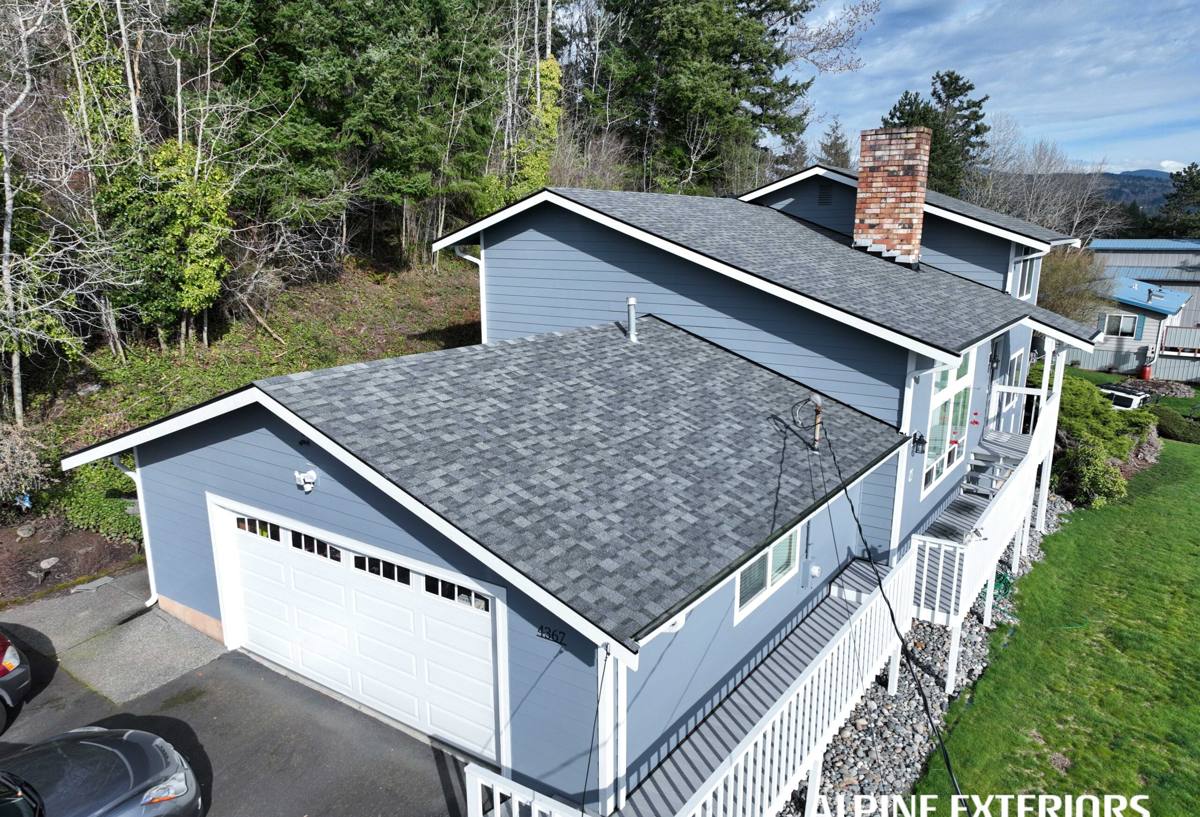
What Actually Happens During a Correct New Roof Installation
Tear-Off and Deck Inspection
A real replacement starts with a full tear-off down to the wood deck. This is the only way to find rot, soft spots, or old water damage hiding under the existing roofing — problems that are common on older Pinellas Park homes where a roof may have been recovered once already. Any damaged decking gets cut out and replaced before anything new goes down. Installing new roofing over a compromised deck is one of the most common causes of early failure we see when we're called out to look at a roof that's leaking within a few years of being "replaced."
Underlayment — The Part No One Sees
Underlayment is the water barrier between the deck and the roof covering, and in this climate it's doing more work than in almost any other part of the country. We use synthetic or self-adhering underlayment rated for high-heat, high-humidity conditions, with extra attention — and often a self-adhered membrane — at eaves, valleys, and low-slope sections where wind-driven rain is most likely to find a way in.
Flashing and Penetration Details
Flashing around chimneys, skylights, wall intersections, and roof penetrations (vent stacks, plumbing boots) is where most roof leaks actually start — not out in the open field of the roof. Correct flashing means new metal or properly rated components at every penetration, not re-using old, corroded flashing to save time. In a salt-air environment, the grade of metal used here matters as much as the installation technique.
Ventilation
Proper intake and exhaust ventilation keeps attic temperatures and moisture in check, which protects both the new roofing material and the decking underneath it, and helps keep cooling costs down through Pinellas Park's long, hot season.
Roofing Material Options for Pinellas Park Homes
There's no single "best" roofing material for every house — it depends on your roof's slope, your budget, and how long you plan to stay in the home. Here's how the common options compare for this specific climate:
| Material | Wind Performance | Salt Air / UV Resistance | Typical Lifespan | Relative Cost |
|---|---|---|---|---|
| Architectural asphalt shingle | Good, when installed to spec with proper nailing | Moderate — quality of granules and sealant strip matters | 20–30 years | Lowest |
| Standing seam metal | Excellent, among the best wind-uplift ratings available | Strong, especially with coated or coastal-rated finishes | 40–50+ years | Higher |
| Concrete or clay tile | Very good, but only with correct fastening system | Excellent, unaffected by salt or UV | 50+ years | Highest |
| 3-tab asphalt shingle | Fair, lower wind rating than architectural shingles | Weaker, ages faster under constant UV | 15–20 years | Low |
Most Pinellas Park homes we work on end up with architectural shingles as the practical middle ground, but for homeowners planning to stay long-term, metal is worth serious consideration for the reduced maintenance and longer service life alone.
Wind Rating and Pinellas County Code Requirements
Pinellas County follows the Florida Building Code, which sets minimum wind-uplift ratings, nailing patterns, and — depending on your roof's design pressure zone — secondary water barrier requirements for new roof installations. A permit and inspection are required for a full replacement; this isn't paperwork for its own sake, it's a check that the deck, underlayment, and fastening actually meet code before the roof is closed up. Skipping or shortcutting the permit process is a red flag with any contractor, not a way to save time or money — an uninspected roof can also complicate insurance claims and resale down the line.
Our Installation Process, Start to Finish
- On-site inspection and honest assessment — we look at the current roof, the decking (where accessible), attic ventilation, and any problem areas before recommending replacement over repair.
- Written estimate and material selection — clear pricing, material options, and what's included, with no pressure to decide on the spot.
- Permitting — we handle the permit application with Pinellas County before work begins.
- Tear-off and deck inspection — old roofing removed, deck checked and repaired as needed.
- Underlayment and flashing installation — the water-management layer that does the real work over the roof's lifetime.
- Roof covering installation — installed to manufacturer spec and Florida Building Code wind requirements.
- Cleanup and magnetic sweep — job site and yard cleared of debris and stray fasteners.
- Final walkthrough and inspection — we review the finished roof with you, and the county inspection closes out the permit.
Why a Crew That Already Works Pinellas Park Matters
Pinellas Park has a lot of homes built in the mid-20th century alongside newer construction, which means roof decking, slopes, and ventilation setups vary block to block. A crew that regularly works this specific area has already seen the common quirks of that older housing stock and knows what to check for before problems turn into surprises mid-project. Local crews also know the Pinellas County permitting process directly, which keeps the paperwork moving instead of stalling out. And after a tropical system passes through, a contractor who's already established in the area — rather than an out-of-town storm crew that shows up after every hurricane and disappears — is the one who'll actually be here if a warranty issue or follow-up question comes up years later.
Signs Your Pinellas Park Roof May Need Replacing, Not Just Repair
- Shingles that are curling, cracking, or losing significant granules, especially on south- and west-facing slopes
- Multiple leaks in different areas, rather than one isolated spot
- Soft or spongy decking felt when walking the roof or visible sagging from the ground
- Roof is nearing or past the expected lifespan of its material (see comparison table above)
- Visible daylight through the attic roof boards
- Rusted or corroded flashing and vent boots
- Repeated repairs to the same areas without lasting results
- Rising energy bills tied to poor attic ventilation or insulation failure
Caring for a New Roof in a Salt Air, High-UV Climate
A correctly installed roof still benefits from basic upkeep in this environment. Keep gutters clear so water isn't backing up under the roof edge during heavy Gulf Coast downpours. Trim back overhanging branches that hold moisture against shingles or scrape granules loose in wind. Have the roof looked at after any major storm, even if nothing seems obviously wrong — wind-driven rain can work its way into a small flashing gap long before it shows up as a ceiling stain. A quick annual check, ideally before hurricane season ramps up, catches small issues while they're still small.
If your roof is showing its age or didn't hold up the way it should have, we're happy to take a straight, no-pressure look and walk you through what a proper new installation would involve for your specific home. Use the form below to request a free estimate — there's no obligation, just an honest assessment.