 St. Petersburg Siding
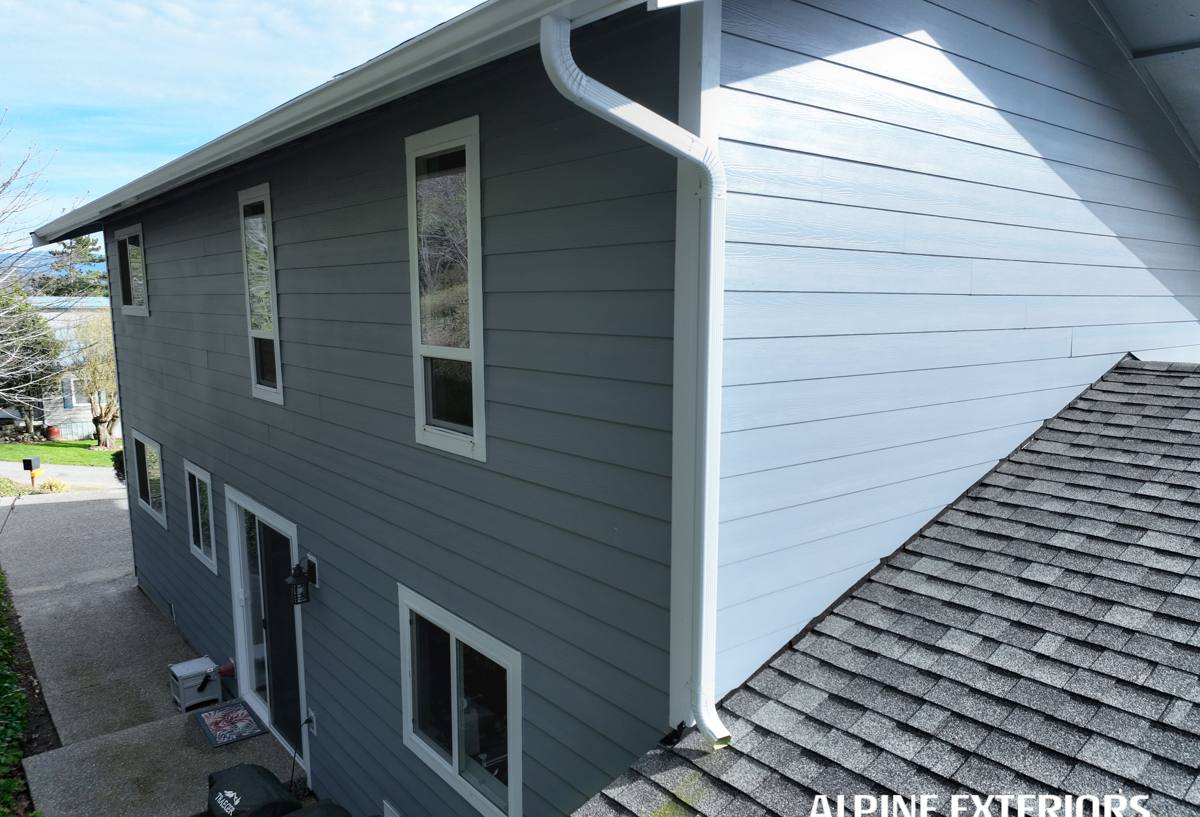
 New Roof Installation for Childs Park Homes
Childs Park is one of St. Petersburg's older, established neighborhoods, and that means a lot of the housing stock is carrying roofs that have already been through decades of Florida summers, tropical systems, and salt-laden air rolling in off Tampa Bay and the Gulf. When a roof in this neighborhood reaches the end of its service life, replacing it isn't just about stopping a leak — it's about putting a system on the house that's actually built for what Pinellas County weather does to a roof year after year.
A new roof installation is one of the biggest investments a homeowner makes in a house, and it's also one of the easiest jobs to get wrong in ways that don't show up until the next hard storm. This page covers what a correct installation looks like for a Childs Park home, what our process involves, and what to think about before you sign a contract with anyone.
What Florida's Climate Does to a Roof Over Time
St. Petersburg roofs don't fail because of one bad day — they fail from cumulative stress. Understanding the specific forces at work helps explain why certain shortcuts in a roofing job show up as problems within a few years instead of holding for the roof's full rated life.
Hurricane-Force and Straight-Line Winds
Wind doesn't just push on a roof — it creates uplift, especially at edges, corners, and ridge lines, which is exactly where a poorly fastened or improperly detailed roof starts to fail first. Shingles or panels that are underlaid or under-fastened can start lifting at the edges long before a named storm ever arrives, simply from routine gusty weather.
Intense, Year-Round UV Exposure
Florida sun is harder on roofing materials than the sun in most of the country, and it doesn't take a break in winter. UV breaks down asphalt oils in shingles, dries out sealant strips, and degrades underlayment that isn't rated for the exposure it may see before the roof covering goes on. Over years, this shows up as granule loss, brittleness, and shingles that crack instead of flex.
Wind-Driven Rain
Rain that comes in sideways during a storm doesn't behave like rain falling straight down. It can work its way under shingle tabs, around poorly sealed flashing, and into vent penetrations that would never leak in calm weather. This is why flashing detail and underlayment quality matter more here than in drier, calmer climates.
Salt Air and Humidity
Being close to the coast means airborne salt is a constant, low-level presence, even well inland from the beach. Salt accelerates corrosion on exposed metal fasteners, flashing, and vents, and combined with Pinellas County's humidity, it also creates ideal conditions for algae and moisture retention on a roof deck that isn't ventilating properly.
Signs a Childs Park Home Needs a New Roof, Not Another Repair
Not every roofing issue means a full replacement, but there's a point where patching becomes more expensive and less reliable than starting fresh. Signs worth taking seriously include:
- Shingles that are curling, cupping, or losing granules across large sections rather than one isolated spot
- Multiple past repairs in different areas of the roof within a short span of time
- Visible sagging anywhere on the roof deck, which can indicate structural moisture damage
- Daylight visible through the attic roof boards, or consistent staining on interior ceilings
- A roof that's approaching or past the manufacturer's expected service life for its material and local climate exposure
- Rising energy bills tied to poor attic ventilation or failing insulation under an aging roof deck
- Visible rust or deterioration at flashing, vents, or fasteners from years of salt air exposure
What a Correct New Roof Installation Actually Involves
A new roof is more than laying new shingles or panels over the old ones — that approach, sometimes called a "roof-over," hides problems instead of solving them and is not something we do. A proper installation addresses the whole system, not just the visible surface.
Tear-Off and Deck Inspection
The old roofing material comes off completely so the deck underneath can be inspected. Any wood that's rotted, delaminated, or water-damaged gets replaced before anything new goes down — installing new roofing over a compromised deck is one of the most common reasons a "new" roof underperforms.
Underlayment
This is the water-resistant barrier between the deck and the roof covering, and it's your backup protection if wind or debris ever compromises the top layer. In a wind-driven rain climate like ours, the quality and installation of this layer matters as much as the shingles themselves.
Flashing and Penetration Details
Chimneys, vents, skylights, and roof-to-wall transitions are where most leaks actually start — not in the open field of the roof. Correct flashing work here is one of the clearest signs of a crew that knows what they're doing versus one that's rushing to move to the next job.
Fastening for Wind Resistance
Nail or fastener pattern, placement, and count directly affect how well a roof resists uplift in high winds. This is an area where it's tempting to cut time and material, and it's also the area most likely to cause visible failure in the first serious windstorm after installation.
Attic Ventilation
A roof that can't breathe traps heat and moisture underneath it, which shortens the life of the roofing material from below even if it looks fine on top. Proper intake and exhaust ventilation is part of a correct installation, not an optional add-on.
Roofing Material Options for Pinellas County Homes
There isn't one universally "best" roofing material — the right choice depends on budget, the home's structure, and how long you want the roof to last before the next replacement. Here's how the common options compare for a home in this climate:
| Material | Typical Lifespan | Wind Performance | Maintenance |
|---|---|---|---|
| Architectural Asphalt Shingle | 20–30 years | Good, when properly fastened and rated for the region | Low; periodic inspection recommended |
| 3-Tab Asphalt Shingle | 15–20 years | Lower wind resistance than architectural shingles | Low |
| Standing Seam Metal | 40–50+ years | Excellent when installed with proper fastening | Very low |
| Concrete or Clay Tile | 40–50+ years | Good, but individual tiles can be dislodged by debris | Moderate; occasional tile replacement |
Cost generally scales with lifespan and wind performance — metal and tile cost more upfront but spread that cost over a much longer roof life, while asphalt shingle systems offer a lower upfront cost with a shorter replacement cycle. We'll walk through the real trade-offs for your specific home rather than steering you toward whatever's easiest for us to install.
Cost Factors Homeowners Should Understand
Every roof quote should account for more than just square footage. The factors that most often move a Childs Park roofing estimate up or down include:
| Factor | Why It Matters |
|---|---|
| Roof pitch and complexity | Steeper or more cut-up roofs take longer and use more material and flashing |
| Deck condition | Rotted or water-damaged decking found during tear-off requires replacement before install |
| Number of layers being removed | Some older homes have more than one layer of roofing to strip off |
| Material choice | Asphalt, metal, and tile carry very different material and labor costs |
| Ventilation upgrades | Adding or correcting attic ventilation adds modest cost but extends roof life |
| Permit and inspection requirements | Local permitting and code compliance are part of a legitimate installation, not an optional line item |
Our New Roof Installation Process
We keep the process straightforward and communicate at each stage, since a roof replacement is disruptive enough without added uncertainty about what's happening and when.
- On-site inspection and honest assessment of whether repair or full replacement makes sense
- Written estimate covering material options, scope of work, and timeline
- Permit filing with the appropriate local building department before any work begins
- Complete tear-off of old roofing material and inspection of the deck
- Deck repair or replacement where needed, documented before covering it up
- Underlayment, flashing, and ventilation installation
- Roof covering installation per manufacturer specifications and wind-rated fastening patterns
- Cleanup, including magnetic sweep for nails and debris removal
- Final walkthrough and required inspection sign-off
Permits, Codes, and Doing It the Right Way
New roof installations in St. Petersburg require a permit and inspection through the local building department — this isn't paperwork for its own sake, it's the mechanism that confirms the work meets Florida Building Code wind and moisture requirements for our region. A contractor who suggests skipping permits to save time or money is asking you to take on liability that should be theirs, and it can also create problems later with insurance claims or when you sell the home. We pull permits on every full roof replacement and schedule the required inspections as a normal part of the job.
Why Hiring a Crew That Already Works in Childs Park Matters
A roofing crew that regularly works this neighborhood already understands the age and construction style of the homes here, has a working relationship with the local permitting process, and isn't learning on your roof how Pinellas County's coastal exposure affects material choice and installation detail. That local familiarity translates into fewer surprises during tear-off, more accurate estimates upfront, and a crew that knows which details — flashing, fastening, ventilation — actually matter for a home exposed to Gulf-driven storms and salt air, rather than treating every roof the same regardless of climate.
Questions to Ask Before Hiring Anyone for a Roof Replacement
- Are you licensed and insured to do roofing work in Florida, and can you provide proof?
- Will you pull the required permit, and who schedules the inspections?
- What's included in the written estimate — tear-off, deck repair, underlayment, and disposal?
- What warranty covers the materials, and separately, what warranty covers your workmanship?
- How do you handle unexpected deck damage found once tear-off begins?
- Can you explain the fastening and flashing approach you'll use for wind resistance?
If your Childs Park home's roof is showing its age or you're just trying to plan ahead of the next storm season, we're happy to take a look and give you a straight answer about repair versus replacement. Fill out the form below for a free, no-pressure estimate.