 St. Petersburg Siding
 Pinellas Park's Climate Is Hard on Siding — Here's Why
Pinellas Park sits inland from the coast but still lives inside the same Pinellas County weather pattern that wears out exterior materials faster than almost anywhere else in the country. Between hurricane-season wind loads, intense year-round UV exposure, wind-driven rain that gets forced sideways into every gap and seam, and salt-laden air drifting in off Tampa Bay and the Gulf, a home's siding is under constant, low-grade attack even in a "quiet" year. Most siding failures we see in this area aren't dramatic storm damage — they're the slow accumulation of sun-baked paint, swollen seams, and moisture that found its way behind the cladding months or years earlier.
That combination is exactly why the siding material and the installation details matter more here than in milder climates. A product or install method that would hold up fine in the Midwest can fail in a few Florida summers.
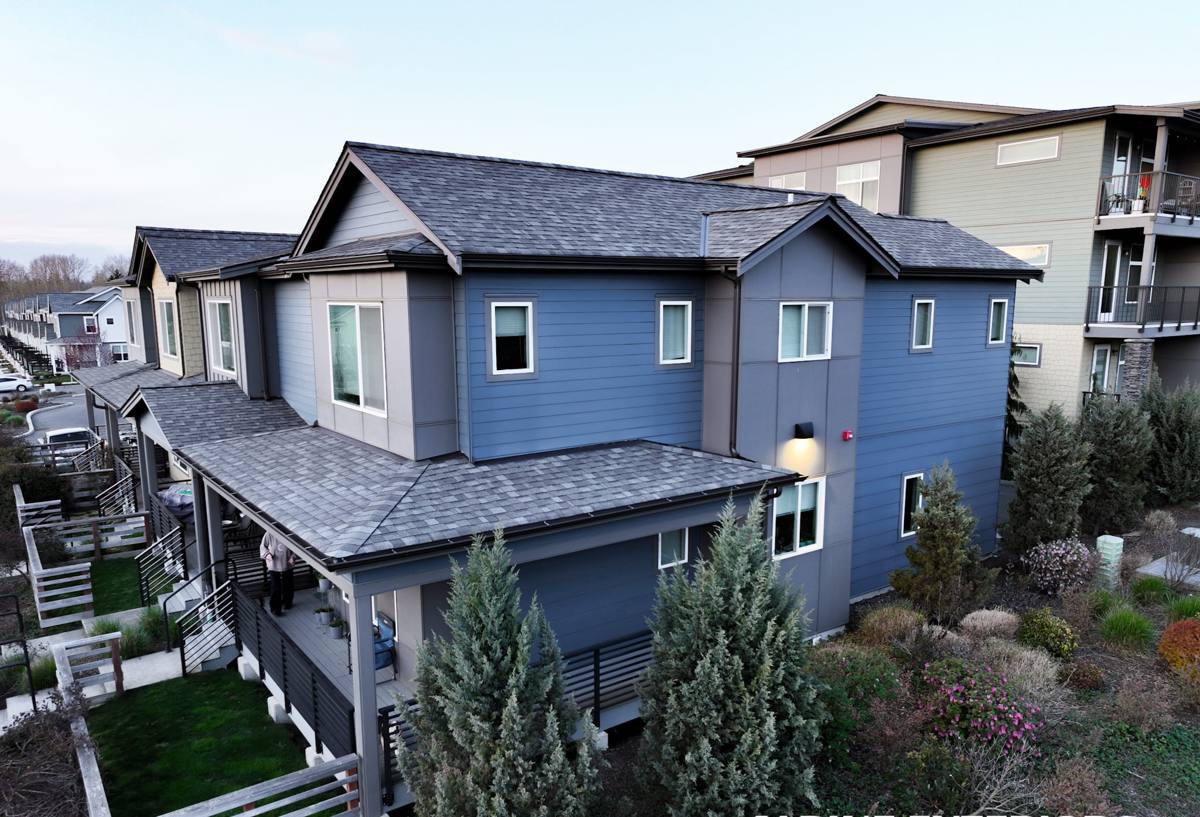
What Pinellas Park Homes Actually Need From Their Siding
Before talking about product or process, it's worth being specific about what a Pinellas Park home is asking its siding to do every single day:
- Stay fastened and intact through sustained tropical-storm and hurricane-force wind events, not just survive a single storm
- Resist UV fading and chalking through months of direct, high-intensity sun exposure
- Shed wind-driven rain without letting water track behind the panels at seams, laps, and penetrations
- Tolerate humidity and moisture cycling without swelling, cupping, or rotting
- Hold up against airborne salt without pitting fasteners or degrading the finish
- Keep its color and shape without repainting every few years
Fiber cement, installed correctly, checks every one of those boxes. Many of the alternative products homeowners are pitched on don't — which is a big part of why we've standardized on one system rather than offering several.
Why We Only Install James Hardie Fiber Cement
We don't install vinyl, LP SmartSide, primed wood, or other fiber cement brands. That's a deliberate standard, not a sales pitch. James Hardie's HardieZone system includes an HZ5 product line engineered specifically for humid, high-UV, storm-exposed climates like ours, backed by a ColorPlus factory finish that resists fading far longer than field-applied paint, and a transferable product warranty that actually holds up when the installation is done to spec. Fiber cement is non-combustible, doesn't attract termites, and doesn't swell or rot the way wood-based products can when Florida humidity gets into a seam. Narrowing to one product line also means our crews aren't relearning installation details for six different systems — every Pinellas Park job gets the same disciplined, practiced install.
What a Correct Fiber Cement Installation Involves
Fiber cement siding is only as good as the install behind it. In a wind and rain-driven market like Pinellas County, the details that get skipped on a rushed job are exactly the ones that cause callbacks two or three years later.
The details that matter here
- Correct fastener pattern and embedment — under-driven or over-driven nails loosen under wind load and become entry points for water
- Proper clearances — siding held off the roofline, deck surfaces, and grade per manufacturer spec so wicking moisture doesn't sit against the bottom edge
- Weather-resistive barrier and flashing integration — house wrap, window and door flashing, and kick-out flashing that actually direct water out and away, not behind the cladding
- Caulked and sealed penetrations — every fixture, vent, and utility penetration sealed with a product rated for sustained UV and moisture exposure
- Panel and joint treatment matched to HZ5 spec — factory-cut edges primed or capped, field cuts back-primed before install
- Fastener material appropriate for salt air exposure — corrosion-resistant fasteners so rust streaking and fastener failure don't show up early
None of this is exotic. It's the manufacturer's own installation spec — but it's also exactly what gets shortcut when a crew is moving fast, unfamiliar with the product, or working from a generic install rather than one tuned to this climate.
How Our Process Works on a Pinellas Park Home
Every project follows the same sequence, whether it's a single wall repair after storm damage or a full re-side:
- On-site assessment — we look at the existing substrate, moisture history, window and door flashing condition, and any areas showing prior water intrusion before quoting anything
- Written scope and product selection — HZ5 panel or plank profile, ColorPlus color, and trim details specified up front, no surprises mid-job
- Tear-off and substrate check — old siding removed, sheathing inspected and repaired where needed rather than covered over
- House wrap and flashing installation — the weather barrier layer is where most long-term failures start or get prevented
- Fiber cement install to manufacturer spec — fastener pattern, clearances, and joint treatment as outlined above
- Final trim, caulking, and cleanup — sealed penetrations, finished trim work, and a final walk-through with the homeowner
Fiber Cement vs. Common Alternatives in This Climate
| Factor | Fiber Cement (James Hardie) | Vinyl | Engineered Wood (e.g. LP) |
|---|---|---|---|
| Wind resistance (properly fastened) | Strong, rated for high-wind zones | Prone to cracking or blowing off at panel edges | Adequate if sealed well, weak point is edge/seam moisture |
| UV/fade resistance | Factory finish holds color for years | Fades and chalks noticeably in intense sun | Depends entirely on field paint quality/upkeep |
| Moisture/rot behavior | Doesn't rot; not wood-based | Doesn't rot but can trap moisture behind panels | Wood fiber core can swell/rot if moisture gets in |
| Salt air tolerance | Strong with corrosion-resistant fasteners | Generally tolerant, but brittleness increases with heat/UV cycling | Moisture-sensitive core is the main risk near salt air |
| Maintenance burden | Low — occasional wash, no repainting for years | Low, but repairs mean full panel replacement | Higher — coating and seams need regular inspection |
| Fire behavior | Non-combustible | Combustible, can melt/deform near heat | Combustible |
This isn't a claim that other products are junk — vinyl and engineered wood both have legitimate uses and price points. It's why, for the specific combination of wind, UV, humidity, and salt air that a Pinellas Park home deals with year after year, we've concluded fiber cement is the material worth standing behind.
Signs a Pinellas Park Home Needs Siding Attention Now
- Visible warping, buckling, or panels that have pulled away from the wall line
- Soft or spongy spots when pressed near the bottom edges or around windows
- Paint that's chalking heavily or peeling in sheets rather than fading evenly
- Rust streaking below fasteners or trim
- Gaps opening up at seams, corners, or around window and door trim
- Rising energy bills with no other explanation — often a sign the wall assembly is no longer sealing properly
- Visible mold or mildew staining that keeps returning after cleaning
Any one of these is worth a look before the next storm season, not after.
What Drives Cost on a Pinellas Park Fiber Cement Project
| Cost Factor | Why It Matters Here |
|---|---|
| Substrate condition | Hidden rot or water damage found at tear-off adds repair scope before new siding goes on |
| Home size and wall complexity | Gables, dormers, and multiple trim details take more labor per square foot |
| Panel profile and color | Lap vs. panel siding, and standard vs. premium ColorPlus colors, price differently |
| Flashing and window/door detailing | Proper flashing work is labor-intensive but is what actually keeps wind-driven rain out |
| Access and site conditions | Fencing, landscaping, second stories, and tight lot lines affect crew time |
Why Hiring a Crew That Already Works in Pinellas Park Matters
A siding install that's technically correct on paper can still fail in practice if the crew doesn't understand the local conditions. Crews working regularly in St. Petersburg and greater Pinellas County know what wind-borne debris exposure means for fastening schedules, how quickly UV exposure shows up on a poorly finished cut edge, and how humidity here behaves differently than it does even a few hours north. That local repetition is what turns a manufacturer's install spec into a habit rather than a checklist someone reads for the first time on your roof.
It also matters for permitting and code familiarity — wind zone requirements and inspection expectations in this part of Florida aren't uniform nationwide, and a crew that pulls permits here regularly moves through that process without it becoming the homeowner's problem.
Maintaining Fiber Cement Siding in a Salt Air Environment
Fiber cement is low-maintenance, not zero-maintenance. In a Pinellas Park setting, that means an occasional rinse to clear salt residue and airborne grime, a yearly look at caulked joints and penetrations for cracking, and prompt attention to any fastener that starts showing rust streaking. None of this is heavy work, but skipping it removes the margin that keeps a well-installed system performing for decades instead of one.
If your Pinellas Park home has aging siding, storm damage, or you're just planning ahead of hurricane season, we're happy to take a look and put together a straightforward, no-pressure estimate — no obligation, just an honest read on what your home actually needs.