 St. Petersburg Siding
 Siding in Seminole Has One Job: Survive the Coast
Seminole sits close enough to the Gulf that salt air, humidity, and wind are part of daily life for every exterior surface on a house. Siding here isn't just a cosmetic choice — it's the first line of defense against moisture intrusion, UV breakdown, and the kind of wind-driven rain that finds every gap and seam a lesser installation left open. When we talk to Seminole homeowners about siding, the conversation almost always starts with what their current siding is failing to do, not what color they want next.
We install James Hardie fiber cement siding exclusively. Not vinyl, not LP SmartSide, not Cemplank or Allura, not primed wood. That's a deliberate standard, and on a page like this it's worth explaining plainly why Seminole's climate is exactly the kind of environment that makes the difference between fiber cement and everything else obvious within a few years, not a few decades.
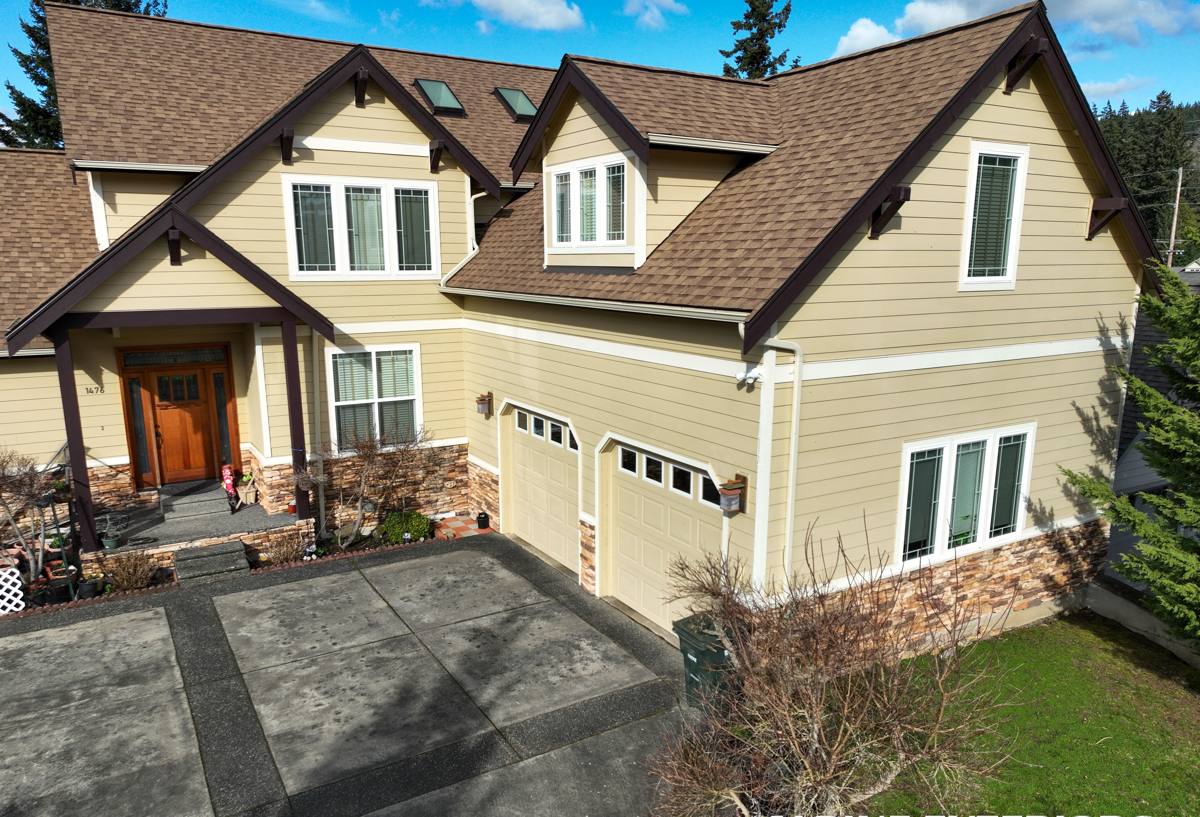
What Pinellas County's Climate Actually Does to a House
Four things wear down exterior siding in this part of Florida, and they don't take turns — they hit at the same time, year-round.
Hurricane-Force Wind
Seminole is inside a wind zone that requires siding assemblies to be engineered and fastened to hold under sustained high winds and gusts, not just installed to look tidy. Loose panels, under-fastened courses, and poorly lapped joints are where wind gets a foothold — first as noise and rattling, then as panels pulling free.
Wind-Driven Rain
Wind doesn't just push against siding, it pushes rain sideways and upward into every horizontal lap, corner, and penetration. A siding system that isn't detailed with the right flashing, weather-resistive barrier, and drainage gaps will pass water behind the cladding even when every panel looks intact from the street.
Intense, Near-Constant UV
Central Florida gets sun exposure most of the country doesn't see. UV breaks down pigments, dries out caulk, and degrades the surface resins in lower-grade siding materials faster than in northern climates. Color fade and chalking on siding here happen years earlier than manufacturers' national averages suggest.
Salt Air
Even set back from the immediate coastline, Seminole homes sit within the salt-air belt that corrodes exposed metal fasteners, pits vulnerable finishes, and accelerates the breakdown of materials that weren't engineered for a marine-influenced environment.
None of this is unique to Seminole specifically — it's Pinellas County and the broader Tampa Bay coastal belt. But it's the reason a generic siding install, done to a national minimum spec, tends to underperform here compared to the same product installed the same way somewhere inland and dry.
Why James Hardie Is the Product We Standardize On
James Hardie fiber cement is engineered from portland cement, sand, and cellulose fiber — a composition that doesn't rot, doesn't support termites, and doesn't burn. That alone solves several of the failure modes we see on older Seminole homes. But the more relevant piece for this climate is Hardie's regional engineering.
Hardie makes climate-specific product lines, and for Gulf Coast Florida that means the HZ10 formulation, engineered for high-humidity, high-moisture exposure. It's not the same board sold in Minnesota with a different label — the substrate itself is formulated to resist moisture-related damage in exactly the conditions Seminole sees every summer.
ColorPlus Factory Finish
Most Hardie siding we install goes on with the ColorPlus factory-applied finish rather than field paint. It's baked on in a controlled environment with multiple coats, and it carries its own finish warranty separate from the substrate warranty. In a market with this much UV exposure, that finish durability is the difference between repainting every five to seven years and going considerably longer before the color needs attention.
Non-Combustible
Fiber cement doesn't contribute fuel to a fire the way wood-based or foam-backed products can. That's a real, practical advantage for insurance and safety, not a marketing line.
Warranty That Follows the Product
James Hardie backs its siding with a substrate warranty and, on ColorPlus products, a separate finish warranty, both transferable to a subsequent homeowner within the terms of the warranty. For a product priced as a long-term exterior investment, that transferability matters at resale.
Why We Don't Install the Alternatives
We get asked about vinyl and LP SmartSide regularly, and we'll give a straight answer rather than a sales pitch.
Vinyl siding is inexpensive and easy to install, but it's a petroleum-based product that softens and can warp under sustained direct sun, and it's rated for lower wind resistance than fiber cement in most manufacturer specs — a real consideration in a named wind zone. It also doesn't hold paint, so your color options are locked to whatever the panel came with.
LP SmartSide is a wood-strand engineered product. It performs well in many climates, but it's an organic wood-fiber substrate, and organic substrates are more sensitive to sustained moisture exposure than cement-based ones — a real trade-off in a county with this much humidity and wind-driven rain. Its warranty structure and maintenance requirements also differ meaningfully from Hardie's.
Both are legitimate products other contractors install well. We've simply made a professional decision, based on what holds up in this specific coastal climate over the long run, to install one product and install it correctly rather than offer several and install all of them adequately.
What a Correct Installation Actually Involves
The siding itself is only part of the system. Most siding failures we get called out to inspect in Pinellas County trace back to installation details, not the product. A correct Hardie install in Seminole includes:
- A weather-resistive barrier installed and lapped correctly behind the siding, not just stapled up as an afterthought
- Proper flashing at every window, door, and penetration so wind-driven rain has a drainage path instead of a way in
- Correct fastener type, spacing, and embedment per Hardie's published fastening schedule for the wind zone
- Minimum clearance gaps at the bottom of the siding and at grade, decks, and roof lines to prevent wicking
- Properly gapped and sealed joints using manufacturer-approved sealant rated for exterior movement and UV exposure
- Field-cut edges primed or sealed before installation, since raw cut edges are a common entry point for moisture
Skip any one of these and the siding can look fine for a year or two while a real problem develops behind it. This is why we treat installation detailing as seriously as the product decision — a Hardie board installed to a shortcut spec doesn't perform like a Hardie board installed to the manufacturer's actual requirements.
How Our Process Works on a Seminole Job
1. On-Site Assessment
We walk the property, check the current siding and any water intrusion signs, look at the wall assembly where accessible, and talk through what's driving the replacement — age, storm damage, appearance, or maintenance fatigue.
2. Product and Line Selection
We go over Hardie's plank, panel, and shingle profiles and the HZ10 formulation, along with ColorPlus color options, so you're choosing based on what fits the house and the budget, not guessing.
3. Written Estimate
You get a clear, itemized estimate — materials, labor, tear-off if needed, and any repair work to sheathing or framing found along the way — before anything is scheduled.
4. Permitting
Siding replacement in Pinellas County generally requires a permit, and wind-zone compliance documentation is part of that process. We handle the permit application and inspections rather than leaving that on the homeowner.
5. Tear-Off and Substrate Check
Old siding comes off and we inspect the sheathing underneath for rot or moisture damage before anything new goes up — a step that's easy to skip and expensive to regret.
6. Installation to Manufacturer Spec
Barrier, flashing, fastening, and gapping done to Hardie's published requirements for this wind and moisture zone, not a generic national install standard.
7. Final Walkthrough
We review the finished job with you, cover basic care, and go over the warranty paperwork and registration.
Cost Factors on a Seminole Home
| Factor | Why It Moves the Price |
|---|---|
| House size and wall complexity | More corners, gables, and dormers mean more cutting, flashing, and labor time |
| Tear-off scope | Removing and disposing of existing siding versus a bare wall adds labor and dump fees |
| Substrate repair | Rotted sheathing found during tear-off has to be replaced before new siding goes on |
| Product line and profile | Lap, shingle, and panel profiles carry different material costs; HZ10 pricing reflects the coastal-grade formulation |
| ColorPlus vs. primed for field paint | Factory finish costs more up front but avoids a full repaint cycle for years |
| Height and access | Two-story walls and tight lot access increase equipment and labor time |
We won't quote a number without seeing the house — anyone who does is guessing — but these are the variables that actually move a Seminole estimate up or down.
Why Hiring a Crew That Already Works This Area Matters
A crew that's installed Hardie siding on other homes in Seminole and the surrounding St. Petersburg area already knows the local permitting office's expectations, the wind-zone documentation that inspections look for, and how coastal humidity affects cure times and material handling on site. That's not something a crew coming from outside the region picks up on the first job — it's the kind of local knowledge that shows up in fewer failed inspections and fewer callbacks two years down the line.
It also matters for warranty claims. If something does need attention under the Hardie warranty, a local, established installer is the one who's still around and reachable, with the original job documentation on hand.
Maintaining Hardie Siding in a Coastal Climate
- Rinse siding periodically with a garden hose to clear salt residue and airborne debris — pressure washing isn't necessary and can drive water into joints if used carelessly
- Inspect caulking at trim, windows, and joints annually; UV and movement break down sealant faster here than inland
- Keep sprinklers and irrigation from spraying directly on siding, which accelerates mineral buildup and staining
- Trim vegetation back from walls to maintain airflow and reduce trapped moisture
- Watch for chalking or fading on any non-ColorPlus, field-painted sections and plan repainting before the finish fully breaks down
Fiber cement is low-maintenance relative to wood or vinyl, but "low-maintenance" in a coastal climate still means paying attention once or twice a year, not never.
If your Seminole home's siding is showing its age — fading, warping, soft spots, or just a maintenance routine that's stopped keeping up — we're glad to take a look and put together a free, no-pressure estimate. There's no obligation, and you'll leave the conversation knowing exactly what your home needs and what it would take to fix it right.