 St. Petersburg Siding
 St. Pete Beach Siding Faces a Tougher Climate Than Most
A home on St. Pete Beach doesn't sit behind a buffer of inland neighborhoods, tree cover, or distance from open water. It sits on a barrier island, exposed to Gulf wind, salt-laden air, and sun intensity that inland Pinellas County homes simply don't deal with to the same degree. Siding here isn't just a cosmetic layer — it's the first line of defense against hurricane-force wind gusts, wind-driven rain that gets pushed sideways into wall assemblies, and salt air that accelerates corrosion on fasteners, trim, and hardware.
Most siding failures we see on the beach side of Pinellas County aren't failures of the material — they're failures of the installation. A product rated for coastal exposure still fails early if it's fastened wrong, flashed wrong, or gapped wrong. That's the gap this page is meant to close: what a correct James Hardie install actually requires on a home like yours, and why it matters more here than almost anywhere else in the county.
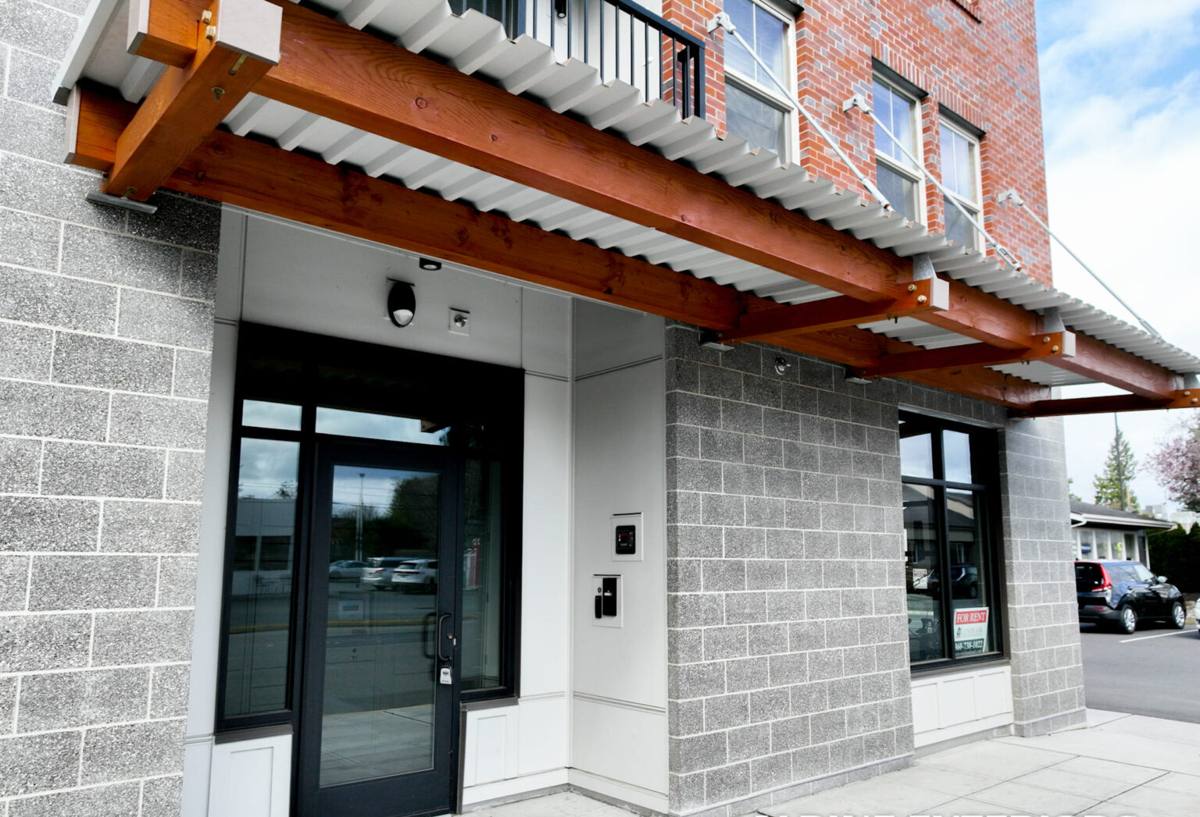
What Correct James Hardie Installation Requires on a Barrier Island
James Hardie makes a genuinely strong product — engineered fiber cement that resists moisture, won't rot, and holds up to wind-driven rain far better than wood-based or foam-backed alternatives. But on a coastal site, the manufacturer's own installation specifications aren't optional details. They're the difference between siding that survives storm seasons and siding that starts failing at the seams within a few years.
Fastening and Fastener Selection
Hardie siding has to be fastened at the spacing and pattern specified for the local wind zone — not the minimum spacing used in calmer inland markets. On a St. Pete Beach home, that usually means tighter fastener spacing and hand-driving or carefully calibrated pneumatic tools to avoid overdriving, which crushes the board's edge and creates a weak point. Fastener material matters just as much: in a salt-air environment, corrosion-resistant fasteners (hot-dip galvanized or stainless, depending on the application) aren't a nice-to-have. Standard fasteners will rust, streak the siding, and eventually loosen.
Clearances, Flashing, and Water Management
James Hardie specifies minimum clearances from grade, roof lines, decks, and other siding-to-trim transitions for a reason — those gaps let water shed away from the wall assembly instead of wicking up into the bottom edge of the board. On beach-side homes, we also pay close attention to flashing at every horizontal joint, window, and door opening, because wind-driven rain during a tropical storm doesn't fall straight down — it gets pushed sideways and upward under eaves and around openings. Skipping or shortcutting flashing details is one of the most common causes of hidden moisture damage behind siding that looks fine from the street.
Choosing the Right James Hardie Product Line for Your Home
James Hardie makes several distinct product lines, and picking the right one is about matching the product to the home's style and exposure, not just going with whatever's most common.
| Product | Best Use | Why It Fits Coastal Homes |
|---|---|---|
| HardiePlank Lap Siding | Most homes, traditional and coastal styles | Widest color and texture range; proven long-term performer in wind and rain |
| HardiePanel Vertical Siding | Coastal, cottage, and modern beach-style facades | Common look for Gulf-front and near-beach homes; fewer horizontal joints to seal |
| HardieTrim | Corners, fascia, window and door surrounds | Won't rot or split like wood trim exposed to salt air and UV |
| HardieSoffit | Eaves and overhangs | Resists the humidity and moisture cycling common under coastal eaves |
Most St. Pete Beach homes end up using a combination — lap or panel siding on the field, HardieTrim at the corners and openings, and HardieSoffit under the eaves — so the whole exterior envelope is fiber cement, not a mix of materials aging at different rates.
Why ColorPlus Factory Finish Matters in Salt Air and UV
Color performance is where a lot of siding shows its age first, especially in Florida's year-round sun. James Hardie's ColorPlus finish is baked on at the factory in a controlled process, which gives it better fade resistance and adhesion than field-applied paint. That matters twice over on the beach: intense, near-constant UV breaks down pigment over time, and salt air attacks a weaker paint bond faster than it would inland. A factory finish holds its color longer and resists the chalking and peeling that field-painted siding is prone to in this environment. It also comes backed by a separate finish warranty from Hardie, on top of the product warranty on the substrate itself.
Our Installation Process
Inspection and Measurement
We start by walking the exterior with you, checking the current siding and sheathing condition, noting problem areas around windows, roof transitions, and grade clearance, and measuring for material takeoff. On coastal homes we're also looking closely at existing corrosion on fasteners and hardware, since that tells us a lot about how the home has been handling salt exposure so far.
Tear-Off, Prep, and Weather Barrier
Old siding comes off, sheathing gets inspected and repaired where needed, and a weather-resistant barrier goes on correctly lapped and taped at every seam. This layer is doing real work on a barrier-island home — it's the backup plan if wind-driven rain ever gets past the siding itself, and it's not a step we shortcut to save time.
Installation and Final Inspection
Siding, trim, and soffit go on to James Hardie's written specifications for the local wind zone, with attention to fastener spacing, clearances, and flashing at every transition. We finish with a walkthrough so you can see the completed work and ask questions before we consider the job done.
Installation Mistakes That Cost St. Pete Beach Homeowners Later
We've been called out to inspect and repair siding jobs — Hardie and otherwise — where the material was fine but the install wasn't. The problems that show up most often on coastal homes:
- Siding installed tight to grade, decks, or roofing with no clearance gap, letting water wick into the bottom edge
- Standard (non-coastal-rated) fasteners that rust, streak the finish, and loosen over time
- Missing or undersized flashing at window and door openings, leading to hidden moisture behind the wall
- Butt joints and seams left unsealed or improperly caulked, giving wind-driven rain a way in
- Fasteners overdriven with a nail gun, crushing the board edge and weakening the hold
- Siding fastened directly over a damaged or skipped weather-resistant barrier
Every one of these is invisible from the curb the day the job finishes. They show up two, five, or ten years later as staining, soft spots, or siding that's come loose in a storm — usually at the worst possible time.
Maintaining Hardie Siding in a Coastal Environment
James Hardie siding needs less maintenance than wood or vinyl, but "less" isn't "none," especially this close to the Gulf. A periodic rinse to clear salt residue and airborne grime off the surface helps the ColorPlus finish look and perform its best. It's also worth a walk-around after major storms to check caulk lines at trim and openings and confirm nothing was dislodged by wind. Caught early, these are quick fixes. Left alone, they're how small gaps turn into real water intrusion problems.
What Drives the Cost of a James Hardie Job Here
| Factor | Why It Affects Cost |
|---|---|
| Home size and wall complexity | More corners, dormers, and roof transitions mean more trim, cutting, and flashing detail |
| Current siding removal | Tear-off and disposal of the existing material adds labor beyond a straightforward re-side |
| Sheathing condition | Rot or moisture damage found underneath needs repair before new siding goes on |
| Product line and profile | Lap width, panel style, and trim details affect material cost and installation time |
| Color and finish selection | ColorPlus factory finishes vary by collection; primed-for-paint is a lower-cost option |
We won't quote a number without seeing the home, but we'll always walk you through exactly what's driving your estimate so there are no surprises.
Why Local Experience on St. Pete Beach Matters
A crew that's worked barrier-island homes in Pinellas County knows things a general contractor from further inland won't think to check: how permitting and wind-load requirements apply to a coastal address under the Florida Building Code, how salt exposure changes fastener and hardware choices, and how quickly weather can turn during a job here, which affects scheduling and how open walls get protected overnight. That local pattern-recognition is worth more than it sounds like — it's usually the difference between a siding job that's still performing in fifteen years and one that starts causing problems in five.
If you're considering new siding for a St. Pete Beach home, we're happy to take a look and walk you through what we'd recommend and why. Reach out for a free, no-pressure estimate using the form below.