 St. Petersburg Siding
 Why Pinellas Point Windows Wear Out Faster Than You'd Expect
Pinellas Point sits on a narrow finger of land with water on multiple sides, which means homes here take a heavier climate beating than houses just a few miles inland. Salt-laden air corrodes aluminum frames and hardware from the outside in, often before a homeowner notices anything wrong from indoors. Add St. Petersburg's intense, nearly year-round UV exposure, and you get glazing seals, vinyl frames, and weatherstripping that break down faster than the manufacturer's rated lifespan would suggest. Wind-driven rain during summer storms and hurricane season finds any weak point in a window's seal or flashing and pushes water straight through it, and that's before you even factor in a direct hurricane threat.
None of this means Pinellas Point homes need exotic materials or gimmicks. It means the windows going in need to be rated for the wind and water exposure this part of Pinellas County actually sees, and they need to be installed correctly the first time. A window that's a good match for a home in Ohio is not automatically a good match for a home a few blocks from Tampa Bay.
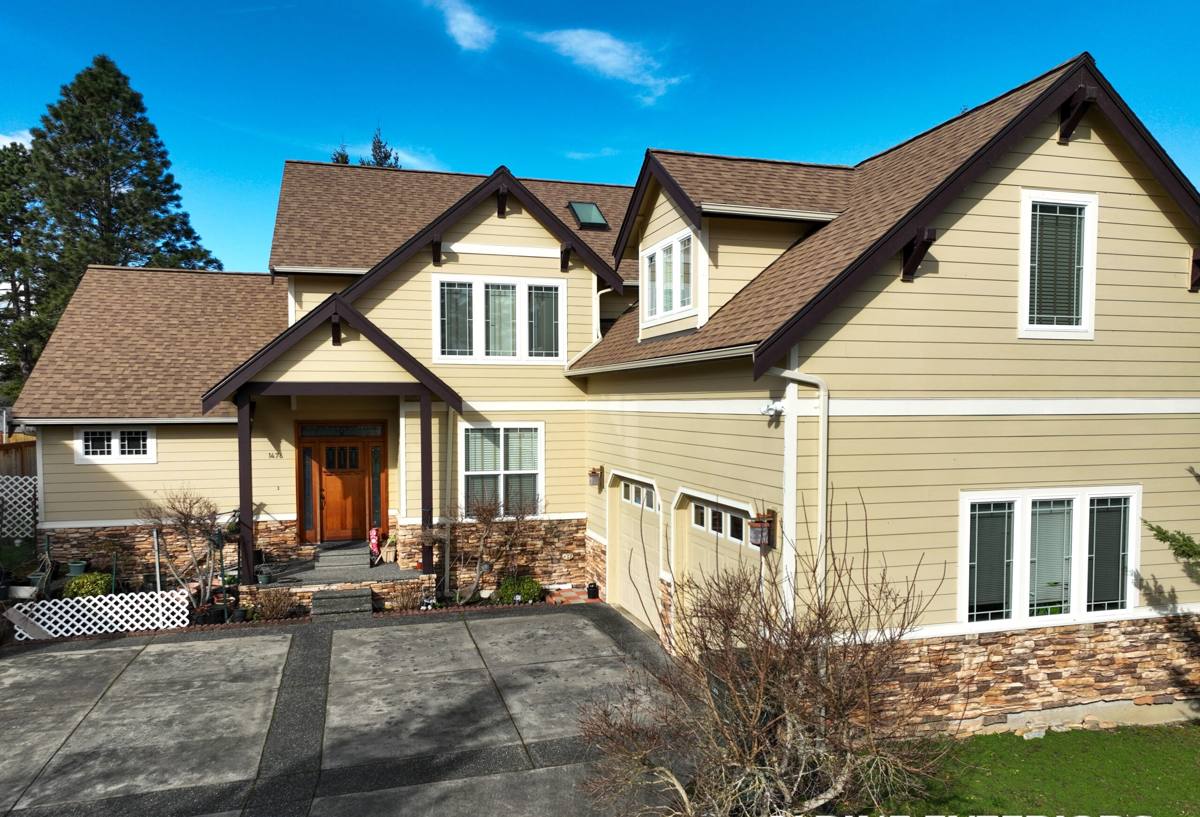
Signs Your Windows Are Ready for Replacement
Most homeowners wait too long simply because the signs are gradual. Here's what we look for, and what you can check yourself before calling anyone:
- Fogging or a permanent haze between panes of double-glazed glass — the seal has failed and can't be repaired, only replaced
- Frames that feel soft, chalky, or show pitting and white corrosion (common on older aluminum near the coast)
- Windows that are difficult to open, close, or lock, or that no longer sit flush in the frame
- Visible daylight or a draft around the frame when the window is shut
- Water staining on the interior sill or wall below the window after storms
- A noticeable rise in cooling costs without any other explanation
- Single-pane glass in a home that was never upgraded to modern insulated or impact glass
Any one of these on its own might just need a repair. Two or three together, especially on a home more than 15-20 years old, usually means it's time to talk replacement rather than patching.
What a Correct Window Replacement Job Actually Involves
Removal and Structural Check
Before a new window goes in, the old one comes out carefully enough to expose the rough opening underneath. This is the point where hidden problems show up — soft or water-damaged framing, deteriorated sheathing, or old flashing that was never installed correctly. A rushed crew skips this step and just drops a new window into a bad opening. We don't skip it, because whatever is wrong with that opening will show up again in the new window within a year or two if it's not addressed.
Flashing and Weatherproofing
This is the step that actually keeps wind-driven rain out, and it's the one corners get cut on most often because it's invisible once the job is done. Proper flashing tape and a correctly lapped weather-resistant barrier around the opening direct any water that gets past the window itself back out, rather than into the wall cavity. In a climate that sees sideways rain during tropical storms, this detail matters more here than almost anywhere else in the country.
Setting, Shimming, and Fastening
A window has to be set plumb, level, and square, then shimmed and fastened according to the manufacturer's wind-load specifications — not just "however many screws fit." Under-fastening is a real risk in high-wind areas; it's one of the most common causes of window failure during storms, and it's completely preventable with correct installation.
Sealing and Finish
The final sealant bead, interior and exterior trim, and finish work aren't cosmetic afterthoughts — a poor seal here is a direct path for both water intrusion and energy loss. We use sealants rated for exterior, UV-exposed use, since standard caulk breaks down fast under Florida sun.
Frame and Glass Options for Coastal Homes
There's no single "best" window for every home — the right choice depends on budget, the home's age and construction, and how much wind and water exposure that particular side of the house sees. Here's how the common options stack up for a Pinellas Point property:
| Frame Material | Coastal Performance | Maintenance |
|---|---|---|
| Vinyl | Good corrosion resistance, doesn't rust or pit like aluminum | Low — occasional cleaning, no painting needed |
| Aluminum | Strong and slim-profile, but prone to salt corrosion over time unless coated well | Moderate — needs periodic inspection near the coast |
| Fiberglass | Excellent stability and corrosion resistance, holds up well to UV and heat cycling | Low — but higher upfront cost |
On the glass side, the main decision for this area is between standard insulated glass, laminated glass, and impact-rated glass. Impact-rated windows use a laminated interlayer that keeps the glass intact even if the outer pane cracks under wind-borne debris, which also means they don't require separate storm shutters or panels. Standard insulated glass with a low-E coating is a lower-cost option that still helps with UV and heat, but it doesn't offer the same wind-borne debris protection. We'll walk through which makes sense for your specific home and exposure rather than defaulting to one answer for everyone.
Wind Rating, Permits, and Building Code
Florida's building code sets minimum wind-load and impact requirements based on a home's location and exposure, and Pinellas County enforces its own permitting and inspection process for window replacement. This isn't a formality — it's the mechanism that keeps a poorly installed or under-rated window from becoming a real liability during the next named storm. A licensed, locally established contractor pulls the correct permit, uses products with a valid product approval for the wind zone, and gets the work inspected and signed off. If a contractor offers to skip the permit "to save time," that's a red flag, not a favor — it leaves you without a documented, inspected installation if you ever need to file an insurance claim or sell the home.
What Drives the Cost of a Window Replacement
We won't quote a number here, because an honest estimate depends on your specific windows, their size, and your home's construction — but these are the factors that move the price up or down on most Pinellas Point jobs:
| Factor | Effect on Cost |
|---|---|
| Impact-rated vs. standard insulated glass | Impact glass costs more upfront but removes the need for shutters or panels |
| Number and size of window openings | Larger and specialty-shaped openings (arched, bay, oversized) cost more per unit |
| Frame material (vinyl, aluminum, fiberglass) | Fiberglass generally costs more than vinyl; aluminum falls in between depending on grade |
| Condition of the existing rough opening | Rot, water damage, or out-of-square framing adds labor to correct before installation |
| Story height and accessibility | Second-story or hard-to-access windows take longer and require more setup |
| Permit and inspection requirements | A properly permitted job includes fees and inspection scheduling as part of the process |
Be cautious of any quote that's dramatically lower than the others you've collected — it's usually a sign that impact requirements, permitting, or proper flashing are being left out of the scope.
Our Process, From Estimate to Cleanup
- On-site assessment of each window opening, including a check of the surrounding framing and current condition
- A written estimate that spells out frame material, glass type, wind rating, and what's included — no vague line items
- Accurate measurement and ordering, since a mis-measured window is one of the most common causes of installation problems
- Permit pulled with Pinellas County before work begins
- Removal, structural check, flashing, and installation performed to manufacturer and code specifications
- Interior and exterior finish work, sealing, and a full walk-through with you before we consider the job done
- Final inspection scheduled and completed so the work is documented
- Job-site cleanup — old windows, packaging, and debris hauled off, not left for you to deal with
Why Hiring a Crew That Already Works Pinellas Point Matters
A window installer who works across the whole Tampa Bay region knows general Florida code. A crew that regularly works Pinellas Point specifically knows the difference that matters more here: how close you are to the water, what kind of wind and salt exposure a given side of the house typically takes, and what's already gone wrong on similar homes nearby. That local pattern recognition shortens the assessment, helps us flag problems before they become surprises mid-job, and means we're not learning the county's permitting process on your project. It also means if a question comes up after the job is done, you're calling a company that's still working in the neighborhood, not one that did a single job and moved on.
Caring for New Windows in a Salt-Air Climate
Even a correctly installed, properly rated window benefits from basic upkeep in this environment. A little routine attention goes a long way toward getting the full lifespan out of the investment:
- Rinse frames and tracks periodically with fresh water to clear salt residue, especially after storms
- Keep weep holes (the small drainage openings at the base of the frame) clear of dirt and debris so water can drain out
- Inspect exterior sealant annually for cracking or gaps, particularly after a hot summer
- Lubricate locks and moving hardware occasionally to prevent stiffness from corrosion
- Address any soft caulk, staining, or sticking early rather than waiting for it to become a leak
If you're weighing whether it's time to replace your windows, or you just want a straight answer about what a correct installation looks like for your specific home, we're glad to take a look. Request a free, no-pressure estimate using the form below and we'll walk the property with you before recommending anything.