 St. Petersburg Siding
 Disston Heights Sits in One of Florida's Toughest Climates for Siding
Disston Heights is an established, inland residential neighborhood in St. Petersburg, but "inland" doesn't mean sheltered here. Pinellas County is a peninsula surrounded by Tampa Bay and the Gulf of Mexico on nearly every side, so salt-laden air, tropical humidity, and hurricane-season wind reach homes well away from the immediate waterfront. Add in some of the most intense year-round UV exposure in the continental United States, and you have an exterior climate that is genuinely hard on building materials, regardless of how far a house sits from open water.
Homes in Disston Heights span a range of ages and construction types, and many have gone through at least one prior siding job — some original, some replaced or added over the decades. Whatever the starting point, any siding installed today has to hold up to the same combination of forces: wind-driven rain, sustained UV, salt air, and the wind loads that come with a Gulf Coast hurricane season. This page focuses specifically on what that means for James Hardie fiber cement siding on Disston Heights homes, and what a correct installation looks like in this climate.
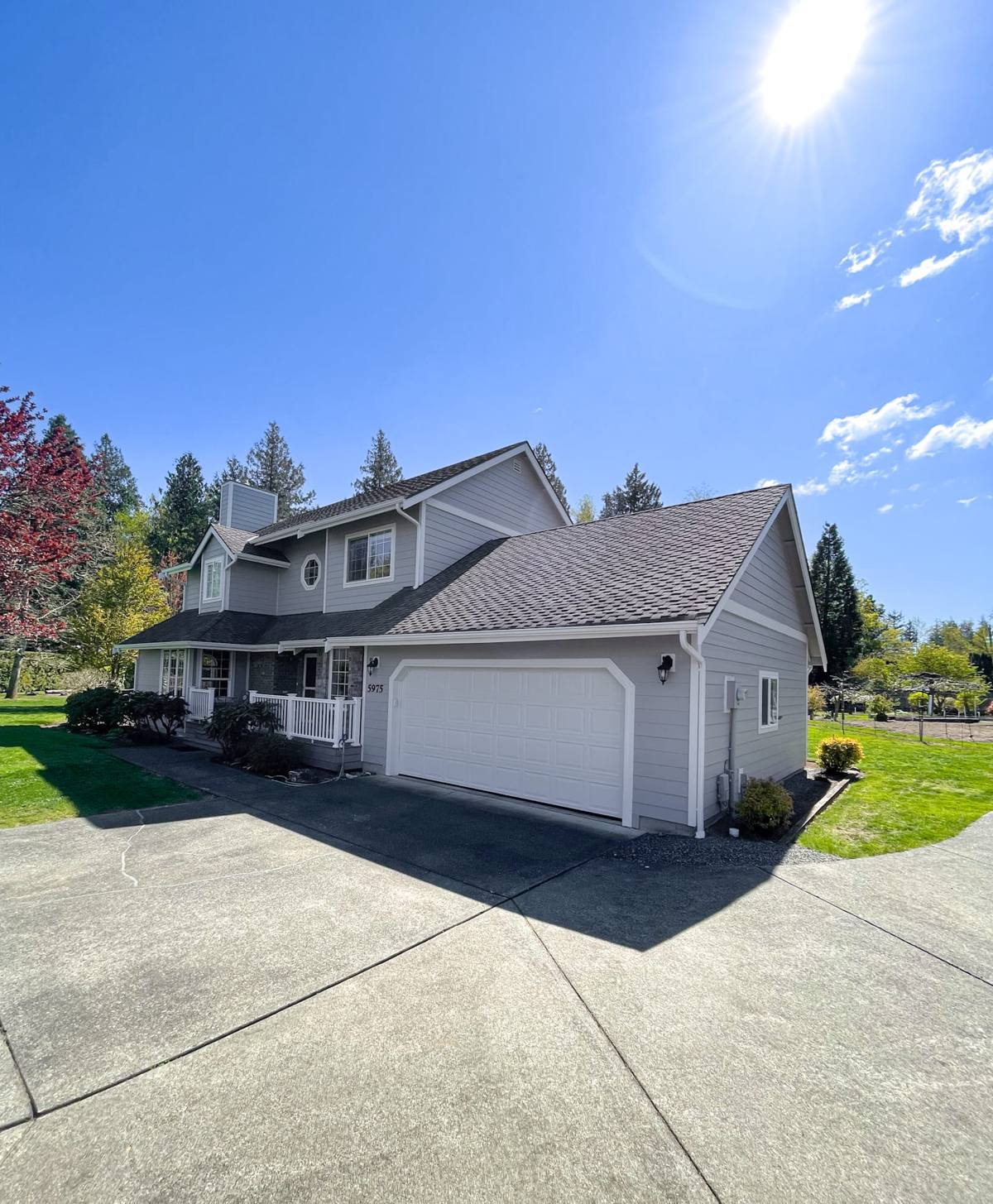
What This Climate Actually Does to Exterior Siding
Wind-Driven Rain
St. Petersburg doesn't just get rain — it gets rain pushed sideways by wind, repeatedly, for months at a time during the wet season and especially during tropical systems. Siding that isn't installed with the correct drainage plane, flashing, and clearances will eventually let water track behind it, no matter how good the surface material is. Most long-term siding failures in this region trace back to installation details, not the panel or plank itself.
Intense, Constant UV
Florida's sun angle and day length mean siding here takes a heavier UV dose year-round than siding in most of the country. Paint film that would hold up fine in a milder climate can chalk, fade, or start to crack years ahead of schedule under this kind of sun exposure.
Salt Air
Even a few miles from the water, salt aerosol travels on the wind and settles on exterior surfaces. Over time it accelerates corrosion of fasteners and hardware and works into any gaps in a coating or finish. Materials and fastener systems need to be chosen with this in mind, not just for direct waterfront properties.
Hurricane-Force Wind Loads
Every siding installation in this part of Pinellas County has to be able to withstand serious wind pressure and wind-driven debris risk during hurricane season. Fastening pattern, panel engineering, and edge attachment all matter more here than they would in a calmer climate — and they're exactly the details that are easiest to shortcut on a rushed job.
Why We Install Only James Hardie Fiber Cement
We standardized on James Hardie siding and don't install vinyl, LP SmartSide, Cemplank, Allura, or primed wood siding — not because those products have no legitimate use anywhere, but because of how they perform specifically under the conditions described above, and because we'd rather stand behind one system we know inside and out than juggle several.
- Non-combustible material — fiber cement doesn't feed a fire the way wood-based products can.
- Engineered for hot, humid climates — James Hardie makes climate-specific product lines, including a version engineered for the hot, humid Gulf Coast/Southern climate zone rather than a one-size-fits-all formulation.
- ColorPlus factory finish — a baked-on finish applied under controlled factory conditions, which holds color and resists UV fade better than most field-applied paint systems, backed by its own finish warranty separate from the substrate warranty.
- Strong, transferable warranty — James Hardie backs its siding with a long, non-prorated limited warranty that can transfer to a new owner, which matters if you ever sell.
Vinyl softens and can distort in extreme heat and is more vulnerable to wind uplift at the edges in high-wind events. LP SmartSide and primed wood or cedar products use wood-based substrates that are more sensitive to sustained moisture exposure and need diligent, ongoing maintenance to keep their paint film intact — a harder standard to hold in a climate this punishing. Fiber cement products like Cemplank and Allura are direct competitors to Hardie in the same category, and we don't have a specific complaint about the material category itself; we simply chose to specialize in one manufacturer's system, its installation details, its color program, and its warranty structure so we can install it correctly every time and stand behind it without hedging.
How the Main Siding Materials Compare in This Climate
| Factor | James Hardie Fiber Cement | Vinyl | LP SmartSide / Primed Wood |
|---|---|---|---|
| Wind-driven rain resistance | Strong, when installed to spec with correct flashing | Moderate; seams and edges are common leak points | Moderate; end-grain and seams need diligent sealing |
| UV / color retention | Strong with factory ColorPlus finish | Fades and chalks over time in intense sun | Depends entirely on paint maintenance schedule |
| High-wind performance | Engineered and rated for high-wind installation | Can distort or pull loose at fastener points | Panel-dependent; edges are a common failure point |
| Combustibility | Non-combustible | Combustible | Combustible |
| Ongoing maintenance | Low; occasional rinse and caulk check | Low, but limited repair options once damaged | Higher; repaint and moisture inspection needed regularly |
What a Correct James Hardie Installation Requires Here
The material is only half the equation. A James Hardie job that's installed loosely will underperform in this climate no matter how good the boards are. On every Disston Heights project we hold to the same non-negotiables:
- Weather-resistant barrier installed and lapped correctly behind the siding, with no shortcuts around windows, doors, or penetrations
- Flashing detailed at every horizontal transition — window heads, roof-to-wall intersections, and trim — so water is directed out, not in
- Fastener type, spacing, and embedment matched to Hardie's published specifications and the local wind-speed requirements for this part of Pinellas County
- Correct clearances maintained between siding and the roofline, grade, and hardscape to prevent trapped moisture
- Joints and butt seams sealed with a compatible sealant system, not just caulked over as an afterthought
- Corner boards, trim, and any cut edges properly sealed and, where required, factory-primed or field-treated per manufacturer instructions
Skipping any one of these doesn't usually show up on install day. It shows up two, five, or ten years later as a moisture problem behind siding that looked perfect when it went up — which is exactly the kind of failure that's expensive to trace and fix after the fact.
Our Process for Disston Heights Homes
1. On-Site Assessment
We look at the home's current siding or substrate, existing moisture damage, trim condition, and exposure — a home with more open western or southern exposure gets more UV and wind-driven rain than a more sheltered lot, and that affects our recommendations.
2. Tear-Off or Recover Decision
Where the existing wall assembly and sheathing are sound, we evaluate whether a full tear-off or a recover approach is appropriate; where there's hidden moisture damage, we address the substrate before any new siding goes on. Covering up a wet wall with new siding just hides the problem.
3. Weather Barrier and Flashing
New weather-resistant barrier and flashing go in first, sequenced correctly around every window, door, and penetration.
4. Installation to Manufacturer and Wind Specification
HardiePlank, panel, or trim products are installed with fastening patterns and clearances matched to Hardie's specifications and the wind requirements for this area — not a generic pattern used everywhere regardless of exposure.
5. Final Detailing and Walkthrough
Caulking, touch-up, and trim details are finished, and we walk the completed job with the homeowner before we consider it done.
Why a Crew That Already Works This Neighborhood Matters
A siding crew that regularly works St. Petersburg neighborhoods like Disston Heights already knows the wind-speed and building code requirements that apply locally, has a working relationship with the permitting process, and has seen how homes of different ages and construction types in this area actually perform after a few storm seasons — not just on install day. That local track record matters more than it sounds like it should: it's the difference between a crew guessing at flashing details and one that's already solved them on houses down the street.
It also matters for warranty follow-up. If a question comes up two years after installation, a local crew is a phone call and a short drive away — not a call center reading from a script.
Questions Worth Asking Before You Hire Anyone for This Job
- Are you licensed and insured to work in Pinellas County, and can you provide proof?
- Have you installed James Hardie siding specifically, and can you speak to Hardie's fastening and clearance requirements without looking them up?
- Will you pull the required building permit, and who handles inspections?
- What's your plan for flashing and moisture management around windows, doors, and roof intersections?
- What does the warranty actually cover, and is it transferable if the home sells?
What Affects Cost on a Disston Heights Siding Job
| Factor | Why It Matters |
|---|---|
| Total square footage and home height | More surface area and multi-story access both add labor time |
| Tear-off vs. recover | Removing old siding and addressing hidden substrate issues adds cost but avoids covering up problems |
| Trim, corner detail, and accent choices | Custom trim packages and mixed siding profiles take more time than a straightforward lap siding job |
| Existing moisture or wood rot damage | Substrate repair has to happen before new siding goes on, and it isn't always visible until tear-off |
| Color and finish selection | Factory ColorPlus finishes vs. field-painted options carry different costs and different long-term maintenance |
We give straightforward, itemized estimates rather than vague ballpark numbers, because the factors above genuinely change the scope from one Disston Heights home to the next.
Living With James Hardie Siding Long-Term in This Climate
One of the reasons we recommend Hardie for this area is how little ongoing maintenance it asks for compared to wood-based alternatives — but "low maintenance" isn't "zero maintenance." A periodic rinse to clear salt residue and grime, a visual check of caulk lines and trim joints after major storms, and prompt attention to any impact damage will keep a correctly installed job performing the way it's designed to for the long haul.
- Rinse siding periodically to remove salt film and airborne debris
- Inspect caulk joints and trim seams after hurricane season
- Address any cracked or dented boards promptly rather than waiting
- Keep sprinklers and irrigation from constantly spraying directly on siding
- Watch for soft spots near ground level, which can indicate trapped moisture
If you're weighing a siding project on a Disston Heights home, we're happy to walk the property, look at what's there now, and give you a straight answer on what it needs — no pressure, no upsell to a product we don't install. Reach out below for a free estimate.